
The short answer
If your Annadale chimney has a cracked or deteriorating flue, or you are converting a boiler from oil to gas, you likely need a new or replacement chimney liner. CrestFlue inspects the flue first, then sizes and installs a liner matched to the appliance or fireplace it serves.
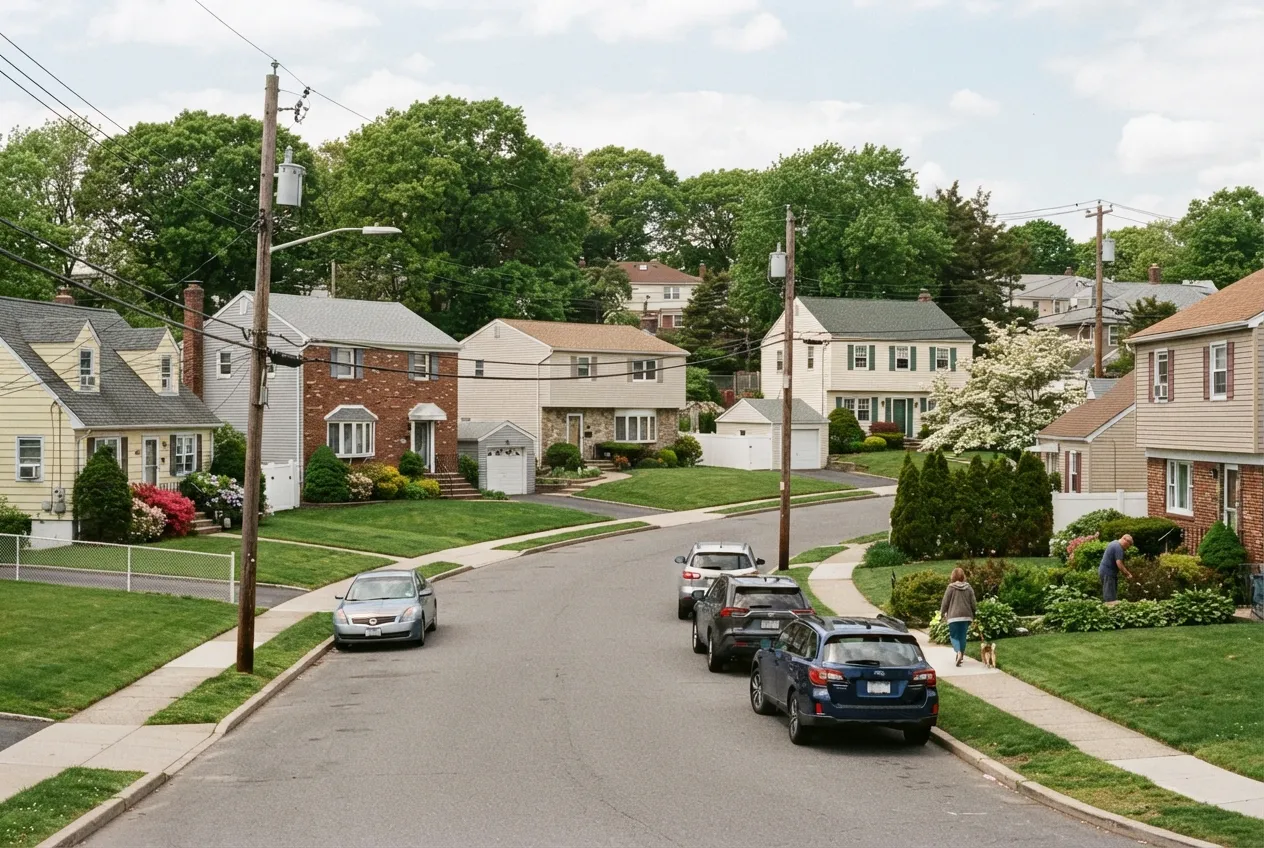
A chimney liner keeps heat and exhaust inside the flue and away from the brick, mortar and wood framing around it. In Annadale, most homes are detached or semi-detached houses with masonry chimneys serving a fireplace, a boiler, a water heater or some combination of the three. Over time, original clay tile liners can crack, mortar joints can erode, and a liner sized for an old oil burner may no longer suit a newer, more efficient appliance. CrestFlue Chimney Service installs and replaces chimney liners for homeowners in Annadale and nearby South Shore neighborhoods. Our office is about two miles northwest, so we can schedule inspections and installations without long travel windows.
Why Annadale Homes Need Liner Work
Many chimneys in this part of Staten Island were built with clay tile liners. Clay works well when it is intact, but tiles can crack from a chimney fire, from settling, or from years of heating and cooling cycles. Once gaps open between tiles, heat and combustion gases can reach the surrounding masonry and, in some cases, nearby framing.
Appliance changes are the other common trigger. When a homeowner replaces an older boiler or water heater with a newer unit, the exhaust temperature and volume often change. A flue that worked for the old appliance can end up too large or the wrong material for the new one, which can lead to poor draft and moisture buildup inside the chimney.
Oil-to-Gas Conversions and Your Chimney
Some Annadale homes still heat with oil, and many owners are switching to gas. When a boiler in New York City is converted from oil to gas, the chimney has to be evaluated as part of the job. A new liner is often required because gas exhaust produces acidic condensate that can corrode an unlined or clay-lined masonry flue from the inside.
If you are planning a conversion, it helps to bring us in early. We can inspect the chimney and tell you what liner the new appliance will need before the boiler work is scheduled, so the chimney does not hold up the project.
How We Handle a Liner Installation
Every job starts with an inspection. The NFPA 211 standard calls for chimneys, fireplaces and vents to be inspected once a year, and it describes three inspection levels. A change of appliance or fuel calls for a Level 2 inspection, which includes a camera look at the inside of the flue. If a hidden problem has to be reached by opening part of the chimney or wall, that is a Level 3 inspection, and we will explain why before doing anything of that kind.
Once we know the condition of the flue, our certified technicians size the liner to the appliance or fireplace it will serve and install it from the top of the chimney down. We connect it at the appliance end, cap it at the top, and confirm draft before we leave.
- Camera inspection of the existing flue
- Liner sized to the appliance or fireplace it serves
- Top and bottom connections plus a chimney cap
- Draft check after installation
- Written notes on what we found and what we did
Timing Around the Heating Season
New York City's heat season runs from October 1 through May 31. If your home includes a rental unit, you are responsible for keeping it heated during those months, so a liner problem on a boiler chimney can become urgent. Even in a single-family house, nobody wants the heat off in January.
Late spring and summer are the easiest times to schedule liner work. If an inspection turns up a damaged flue in the fall, we will talk through your options and the safest way to keep the appliance running until the liner is in.
Serving Annadale and Nearby Neighborhoods
We install chimney liners throughout Annadale, in ZIP codes 10309 and 10312, and in neighboring Huguenot, Prince's Bay, Woodrow, Arden Heights and Rossville. Whether your chimney serves a living room fireplace, a basement boiler or both, we will look at the whole system and recommend a liner that fits how you actually heat your home.
More services in Annadale
- Chimney Sweep in AnnadaleLocal service & repairs
- Chimney Inspection in AnnadaleLocal service & repairs
- Chimney Repair in AnnadaleLocal service & repairs
- Air Duct Cleaning in AnnadaleLocal service & repairs