
The short answer
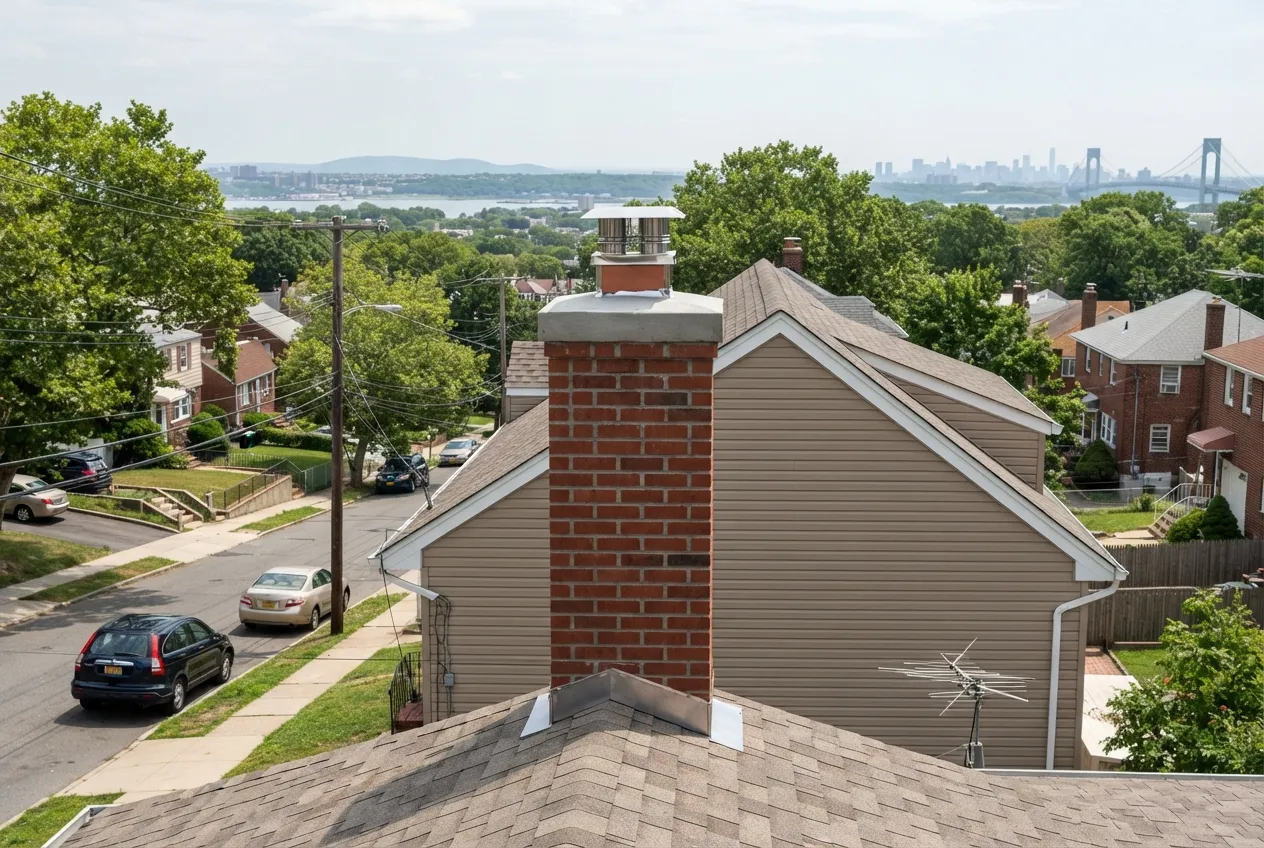
Chimney rebuilding means taking down damaged or unstable masonry and relaying it with new brick, mortar, a new crown and properly sealed flashing. You likely need it if bricks are crumbling into the firebox, water is getting in, or the chimney is cracked or leaning. An inspection and camera check tell us how much has to come down.
A chimney takes more weather than almost any other part of a house. Rain, snow, freeze-thaw cycles and salty coastal air work into the mortar joints year after year. Eventually bricks loosen, the crown cracks and water finds its way inside. When repointing and patching are no longer enough, the safe fix is to take the damaged masonry down and rebuild it. CrestFlue Chimney Service rebuilds chimneys for homeowners across Staten Island and nearby communities. The work ranges from the top few courses above the roofline to a full teardown when the structure calls for it. This page covers the warning signs, what a rebuild includes, how our certified technicians work in and on your home, and what to expect from the first call to the final walkthrough.
Signs you need it
Most chimneys don't fail all at once. The damage shows up in small ways first, often inside the fireplace before it is obvious from the yard. If you notice any of the signs below, schedule an inspection before the next heating season. Loose masonry at the top of a chimney can fall, and water that gets into the structure keeps spreading damage each winter.
- Brick flakes, crumbled mortar or chunks of masonry landing in the firebox or on the smoke shelf
- White, chalky staining on the outside brick, left behind as water moves through the masonry and evaporates
- Water in the firebox, or damp, stained walls and ceilings next to the chimney after rain
- Bricks that are cracked, spalling (the face popping off) or loose enough to move by hand
- A chimney that leans, or a visible gap where it meets the house
- Poor draft or smoke spilling into the room, which can mean fallen masonry is partly blocking the flue
- A musty or smoky smell that gets stronger in humid weather, a sign moisture is soaking into the masonry
What's included in a chimney rebuild
Every rebuild is sized to the damage. Some chimneys need only the section above the roofline relaid. Others need to come down to the roof deck or below. Before any work starts, we show you which parts are sound and which are not. Then we write up exactly how far the rebuild will go. A typical rebuild includes the following.
- Pre-work inspection of the chimney exterior, firebox and flue, including a camera check of the flue
- Careful removal of damaged brick and mortar down to solid, sound masonry
- Relaying the chimney with new brick matched as closely as practical to the existing color and size
- Mortar suited to the brick and the exposure, with tooled joints that shed water
- A new chimney crown, poured or formed to slope water away from the flue
- New or reset step and counter flashing where the chimney meets the roof
- Flue tile repair, or a new liner when the existing flue is cracked or unsuited to the appliance
- A chimney cap to keep out rain, debris and animals
- Water-repellent treatment on the new masonry where appropriate
- Cleanup of the work area and debris removal from your property
- A final walkthrough with photos of the finished work
How our crew works inside your home and on the roof
Most of a rebuild happens outside, but the fireplace and flue are part of the job too. Before we touch anything inside, we lay drop cloths from the entry door to the hearth and seal the fireplace opening. Loose debris and soot are pulled out with HEPA vacuums so fine dust is captured instead of blown back into the room. When the flue needs cleaning before inspection or relining, we use rotary brushes. Then we run a camera down the flue to record its condition so you can see what we see.
On the roof, the crew sets up roof protection and secure access before any masonry comes down. Bricks are taken down by hand and lowered to the ground, not tossed. That keeps your shingles, gutters and landscaping from damage. We cover the open flue at the end of each workday so rain can't run into the house while the chimney is only partly built. Mortar and crown work are scheduled around the weather, because masonry needs dry, reasonable temperatures to cure properly.
The standard we follow
We work to the NFPA 211 standard, which calls for chimneys, fireplaces and vents to be inspected once a year. Chimney professionals use three inspection levels. Level 1 applies when nothing about the system has changed. Level 2 applies when the system changes, for example a new appliance or a switch of fuel, or when the home is being sold. Level 3 applies when a hidden hazard can only be reached by opening part of the chimney or the building. Rebuild work usually begins with at least a Level 2 inspection, including the camera check. If we suspect damage behind a wall or inside a chase, a Level 3 inspection may be needed.
Fuel changes matter here. When a New York City building converts its boiler from oil to gas, the chimney must be evaluated as part of that work. A new liner is often needed, because gas exhaust produces acidic condensate that can corrode a masonry flue. If you are planning a conversion, it often makes sense to handle the rebuild and the liner together.
What affects the price
We give a written quote after the inspection, because no two chimneys are the same. The main factors are:
- Chimney height and how easy the roof is to reach, including roof pitch and whether scaffolding is needed
- How much of the chimney has to come down, from the top few courses to a full teardown
- The fuel the chimney serves (wood, oil or gas), which affects liner and flue requirements
- Flue size and condition, and whether tiles can be repaired or a new liner is required
- How much creosote or soot buildup has to be cleaned out before inspection and work
- Whether a camera inspection, a deeper Level 3 inspection or related repairs such as flashing or interior water damage are needed
- Brick matching and any special materials the home's style calls for
How a visit works
First, we schedule an inspection at a time that works for you. Our technician examines the chimney from the roof and the fireplace, runs the camera through the flue, and takes photos. You get a plain explanation of what we found, what needs rebuilding, and any options, such as a partial versus full rebuild or relining now versus later.
Once you approve the written scope, we schedule the work. Many homeowners plan rebuilds outside New York City's heat season, which runs from October 1 through May 31, so heating systems aren't disrupted in cold months. When a chimney is unsafe, though, we don't recommend waiting. On work days the crew protects your home, completes the rebuild in stages, and cleans up each day. At the end we walk you through the finished chimney with photos and explain what yearly inspections will keep it in good shape.