
The short answer
Yes, CrestFlue Chimney Service serves Annadale in ZIP codes 10309 and 10312, about 2 miles from our Staten Island office. We handle chimney sweeping, inspection, repair, liners, caps, waterproofing and rebuilding, plus dryer vent and air duct cleaning.
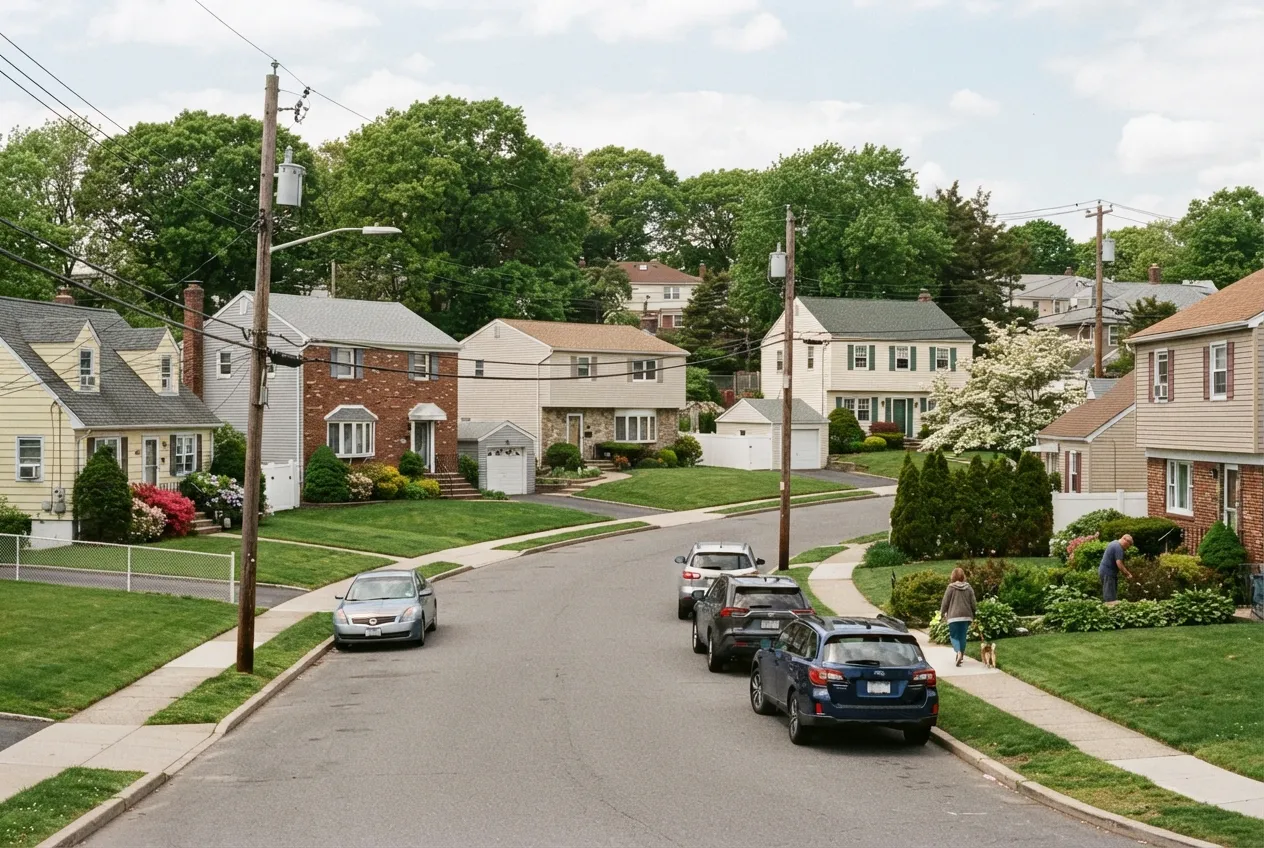
Annadale sits on Staten Island's South Shore, about 2 miles southeast of our Staten Island office, so our crews reach homes in the 10309 and 10312 ZIP codes quickly. The neighborhood is mostly detached single-family homes, with some semi-attached houses and townhouses mixed in. Many have a masonry chimney serving a wood-burning fireplace, a boiler or furnace flue, or both. Nearly all of them have a clothes dryer and a forced-air or ventilation system that collects dust over time. CrestFlue Chimney Service handles all of it: sweeping, inspection, repair, liners, caps, waterproofing, rebuilding, and dryer vent and air duct cleaning. Our technicians are certified, and they explain what they find in plain terms before any work starts.
Yearly Chimney Sweeping and Inspection
The NFPA 211 standard calls for chimneys, fireplaces and vents to be inspected once a year. That applies whether you burn wood every weekend in January or only run a gas boiler. Soot and creosote build up in wood-burning flues. Gas and oil flues can collect debris, nests or loose mortar that block exhaust. A sweep removes the buildup, and an inspection shows whether the flue is still safe to use.
Inspections come in three levels. Level 1 covers a chimney when nothing about the system has changed. Level 2 applies when something changes, such as a new appliance or a switch of fuel, or when the home is being sold. Level 3 is needed only when a hidden hazard can't be reached without opening part of the chimney or the building. Most Annadale homeowners need a Level 1 each year. If you're buying or selling, plan on a Level 2.
South Shore Weather and Your Chimney
Staten Island winters bring repeated freeze-thaw cycles. Water soaks into brick and mortar, freezes, expands, and slowly opens cracks. Nor'easters drive rain sideways into exposed masonry, and the damp coastal air keeps it from drying out quickly. Over a few seasons that can mean spalling brick, crumbling crowns, rusted dampers and water stains on ceilings near the chimney.
We match the repair to the damage:
- Chimney repair: repointing mortar joints, replacing damaged brick and fixing cracked crowns
- Chimney cap and chase cover: keeping out rain, animals and debris, with chase covers for framed chimneys
- Chimney waterproofing: a breathable water repellent that slows moisture entry without trapping vapor
- Fireplace and damper repair: fixing dampers that stick, leak air or no longer seal
- Chimney rebuilding: taking down and relaying the upper courses when the masonry is too far gone to patch
Oil-to-Gas Conversions and Chimney Liners
Some homes in the area still heat with oil, and many have already switched to gas. When a New York City building converts its boiler from oil to gas, the chimney has to be evaluated as part of the work. A new liner is often needed because gas exhaust produces acidic condensate that can corrode a masonry flue from the inside.
We inspect the existing flue and confirm it's sized correctly for the new appliance. When a liner is needed, we install one. A cracked or deteriorated clay liner in an older chimney is another common reason for a liner installation, even when the fuel isn't changing.
Dryer Vent and Air Duct Cleaning
According to the U.S. Fire Administration, failure to clean is the leading factor contributing to clothes dryer fires in homes. Lint builds up in long or kinked vent runs, especially in houses where the dryer sits far from an outside wall. Signs it's time for a cleaning include clothes taking longer to dry, a hot laundry room, or a flap on the outside vent that barely opens.
For air ducts, we follow the U.S. EPA's guidance. Cleaning makes sense when there is substantial visible mold growth, vermin, or excessive dust and debris. The EPA also notes that duct cleaning has not been shown to prevent health problems. It suggests researching the process before responding to very cheap advertised offers and being careful with chemical treatments. We'll tell you honestly whether your ducts need cleaning.
Planning Around Heat Season
New York City's heat season runs from October 1 through May 31. Late summer and early fall are the easiest times to schedule a sweep, an inspection or a liner job, because your boiler or furnace can be shut down without leaving the house cold.
Besides Annadale, we regularly work in Huguenot, Prince's Bay, Woodrow, Arden Heights and Rossville.
ZIP codes we serve
- 10309
- 10312
Services in Annadale
- Chimney Sweep in AnnadaleLocal service & repairs
- Chimney Inspection in AnnadaleLocal service & repairs
- Chimney Repair in AnnadaleLocal service & repairs
- Air Duct Cleaning in AnnadaleLocal service & repairs
- Chimney Liner Installation in AnnadaleLocal service & repairs