
The short answer
Yes, CrestFlue Chimney Service works throughout Tottenville (ZIP 10307), about 2 miles from our Staten Island office. We sweep, inspect, repair, reline and waterproof chimneys, and clean dryer vents and air ducts for local homes.
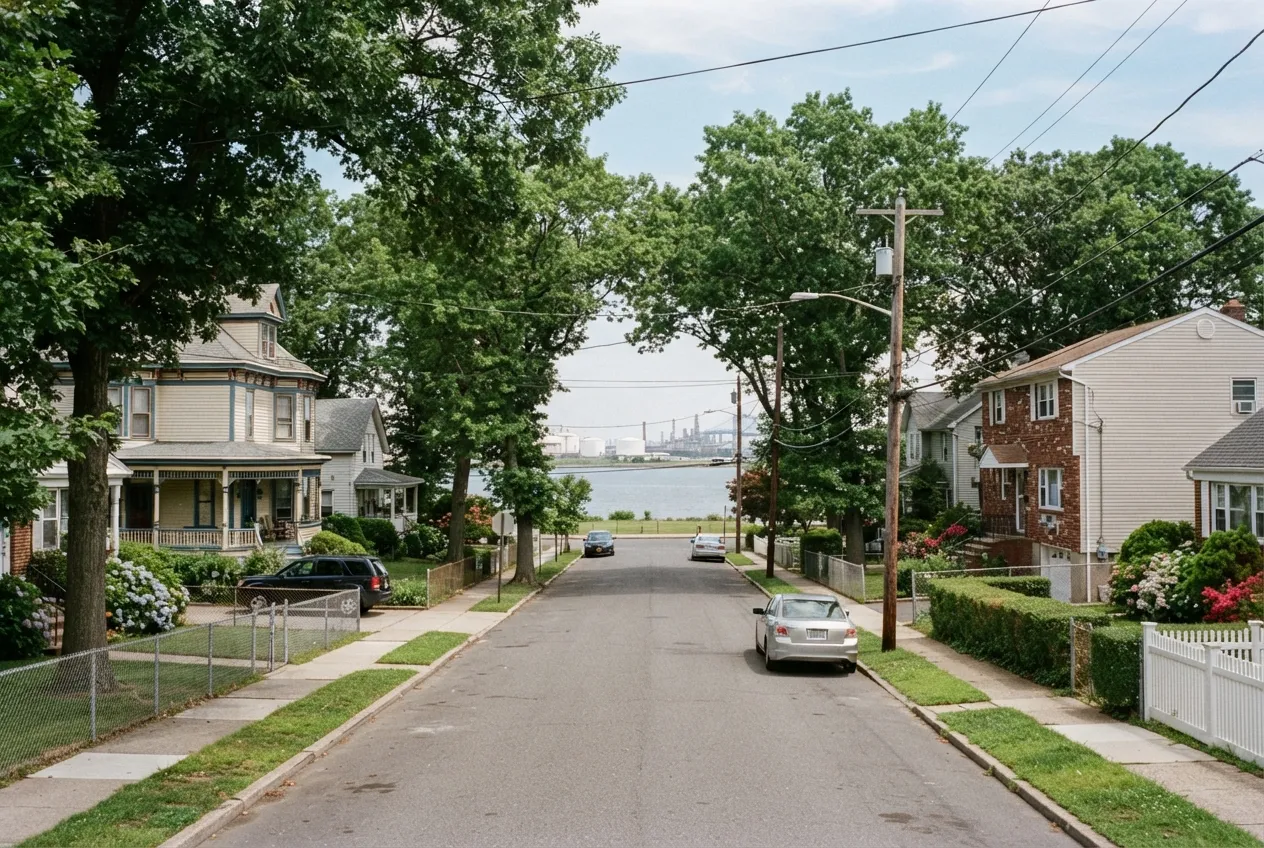
Tottenville sits at the southern tip of Staten Island, about 2 miles south of our office, so our crews reach homes in ZIP code 10307 quickly. Most homes here are detached, with a mix of older wood-frame houses, mid-century homes, and newer attached and semi-detached houses. Many have a working fireplace, a gas or oil boiler venting through a masonry chimney, and a clothes dryer vented through an outside wall. CrestFlue Chimney Service handles all of it: sweeping, inspections, repairs, liners, caps, waterproofing, rebuilding, and dryer vent and air duct cleaning. Our certified technicians explain what they find in plain terms and show you photos.
Why Tottenville Chimneys Wear Out
Tottenville is on the water, and that shapes how chimneys age here. Salt-laden air and wind-driven rain from coastal storms soak into brick and mortar. Then winter freeze-thaw cycles expand that trapped water, which cracks crowns, loosens joints and causes spalling, where the brick face flakes off. Humid summers can also bring out a musty fireplace smell when moisture mixes with old creosote.
Older homes may have original clay tile flues with cracked or missing sections. Newer homes often have factory-built fireplaces inside framed chases, where a rusted chase cover can let water run straight down the flue.
- Cracked or crumbling chimney crowns
- Rusted metal chase covers on prefab fireplaces
- Water stains on ceilings or walls near the chimney
- Missing caps that let in rain, birds and squirrels
- Stuck or warped dampers that leak heat
Inspections and Sweeping on a Yearly Schedule
The NFPA 211 standard calls for chimneys, fireplaces and vents to be inspected once a year. That includes the flue serving your boiler or furnace, not only the fireplace. Chimney professionals use three inspection levels. A Level 1 inspection fits when nothing has changed. A Level 2 inspection is called for when you change the system, such as installing a new appliance or switching fuel, or when the home is sold. A Level 3 inspection is used when a hidden hazard has to be reached by opening part of the chimney or building.
New York City's heat season runs from October 1 through May 31, so late summer and early fall is a practical time to have the sweep and inspection done before the heating system runs every day.
Oil-to-Gas Conversions and Chimney Liners
Many Staten Island homes started with oil heat. When a New York City building converts its boiler from oil to gas, the chimney has to be evaluated as part of the work. A new liner is often needed because gas exhaust produces acidic condensate that can corrode a masonry flue. If you are planning a conversion, we can inspect the chimney early so the liner work fits into your schedule rather than holding up the boiler installation.
We also install liners for fireplaces and for flues with cracked or deteriorated tile, sized to the appliance they serve.
Repairs, Waterproofing and Rebuilding
Most masonry damage we see starts with water, so we fix the cause, not only the symptom. That can mean rebuilding a crown, repointing mortar joints, replacing damaged brick, adding a properly sized cap or chase cover, and applying a breathable water repellent made for masonry. When a chimney is leaning or the brick above the roofline has failed, partial or full rebuilding may be the safer choice. We also repair fireplace fireboxes, smoke chambers and dampers so the fireplace drafts properly and closes tightly when it is not in use.
Dryer Vent and Air Duct Cleaning
According to the U.S. Fire Administration, failure to clean is the leading factor contributing to clothes dryer fires in homes. Long vent runs, crushed foil ducts and lint-clogged exterior hoods are common causes of slow drying. We clean the full run and check that the hood flap opens freely.
For air ducts, we follow the U.S. EPA's guidance. Cleaning makes sense when there is substantial visible mold growth, vermin, or excessive dust and debris. The EPA notes that duct cleaning has not been shown to prevent health problems. It also advises homeowners to research the process before responding to very cheap advertised offers and to be careful with chemical treatments. We will tell you honestly whether your ducts need cleaning.
Nearby Neighborhoods We Serve
Along with Tottenville, we regularly work in Charleston, Annadale, Huguenot, Prince's Bay and Woodrow, all on Staten Island's South Shore.
ZIP codes we serve
- 10307
Services in Tottenville
- Chimney Sweep in TottenvilleLocal service & repairs
- Chimney Inspection in TottenvilleLocal service & repairs
- Chimney Repair in TottenvilleLocal service & repairs
- Air Duct Cleaning in TottenvilleLocal service & repairs
- Chimney Liner Installation in TottenvilleLocal service & repairs