
The short answer
Yes, CrestFlue serves Bulls Head in ZIP codes 10311 and 10314 with chimney sweeping, inspection, repair, relining, rebuilding, and air duct and dryer vent cleaning. Plan a yearly chimney inspection, and book liner or masonry work before the city's October 1 heat season begins.
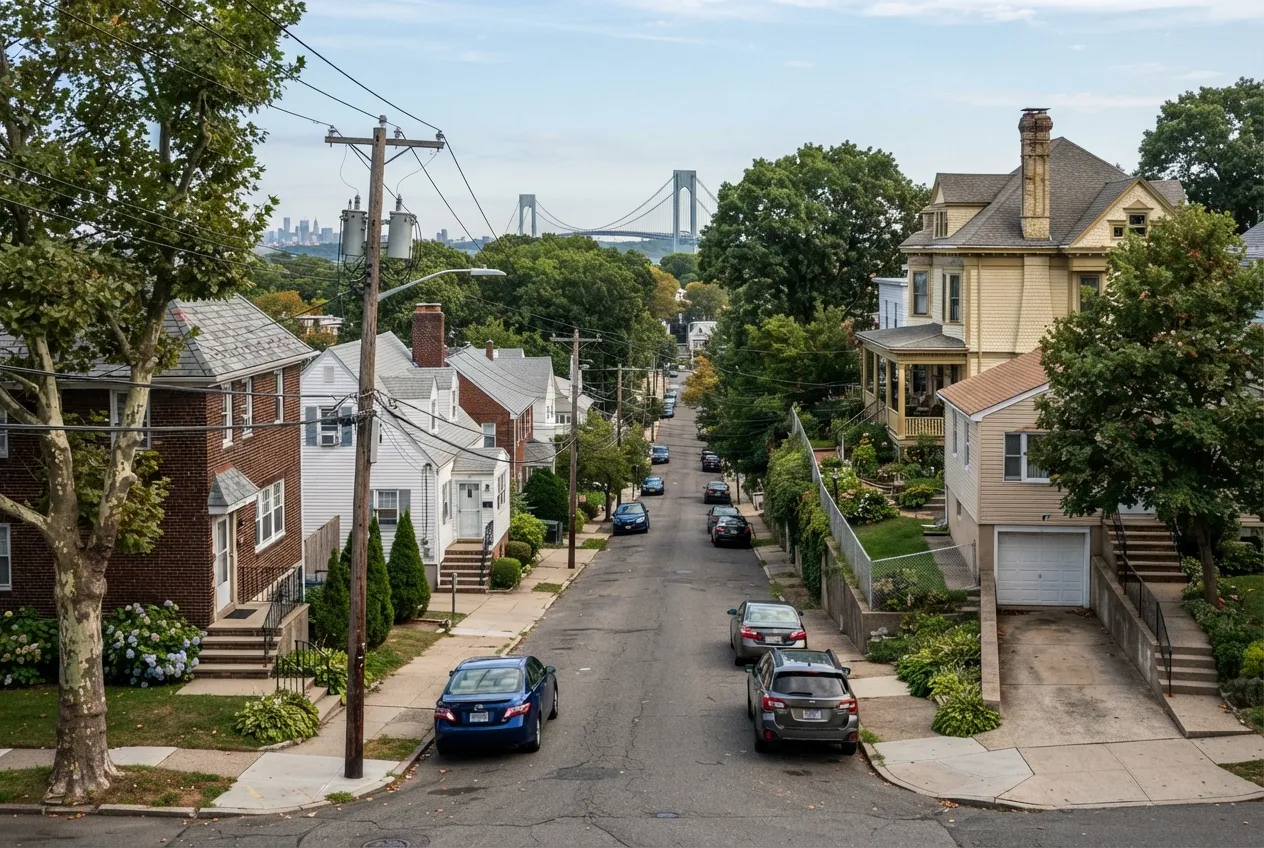
CrestFlue Chimney Service works throughout Bulls Head, the Staten Island neighborhood covering ZIP codes 10311 and 10314, about 5 miles northeast of our office. Homes here range from detached houses with masonry chimneys to semi-attached homes, attached townhouses and low-rise apartment buildings with shared boiler flues and long dryer vent runs. Our certified technicians sweep, inspect, repair and reline chimneys, and they clean air ducts and dryer vents. Below is what Bulls Head homeowners should know about keeping these systems safe through Staten Island's cold, wet winters and humid summers.
Yearly Chimney Inspections and Sweeping
The NFPA 211 standard calls for chimneys, fireplaces and vents to be inspected once a year. That applies whether you burn wood a few weekends each winter or rely on a gas or oil boiler that runs every day. A sweep removes creosote, soot and debris, including leaves and nests, that can narrow or block a flue and push exhaust back into the house.
Chimney professionals use three inspection levels. A Level 1 inspection fits when nothing about your system has changed. A Level 2 inspection is used when the system changes, such as a new appliance or a switch of fuel, or when the home is sold. That makes Level 2 worth scheduling if you are buying or selling a house in Bulls Head. A Level 3 inspection is used when a hidden hazard has to be reached by opening part of the chimney or building.
How Staten Island Weather Wears on Chimneys
Winters here bring repeated freeze-thaw cycles. Water soaks into brick and mortar joints, freezes, expands and pushes the masonry apart a little more each season. Nor'easters drive rain sideways into crowns and flashing, and humid summers keep damp masonry from drying out. Over time this shows up as flaking or spalling brick, cracked crowns, crumbling mortar, rusted dampers and water stains on walls or ceilings near the chimney.
Catching small problems early usually keeps the repair small. These are the services we use to stop water damage and restore safe operation:
- Chimney Repair: repointing mortar joints, replacing damaged brick and fixing cracked crowns
- Chimney Waterproofing: a breathable water repellent that lets masonry release moisture while shedding rain
- Chimney Cap & Chase Cover: keeps rain, animals and debris out of the flue
- Fireplace & Damper Repair: restores a damper that sticks, leaks drafts or will not seal
- Chimney Rebuilding: for stacks that are leaning, badly cracked or loose above the roofline
Oil-to-Gas Conversions and Chimney Liners
When a New York City building converts its boiler from oil to gas, the chimney has to be evaluated as part of the work. A new liner is often needed because gas exhaust produces acidic condensate that can corrode a masonry flue. Left unlined, that flue can deteriorate from the inside, where you cannot see it. Our Chimney Liner Installation service sizes and installs a liner suited to the new appliance.
Timing matters. New York City's heat season runs from October 1 through May 31, and during those months building owners must keep apartments heated to the city's minimum temperatures. If you own a multi-family building or a home with rental units, schedule inspections, relining and masonry repair in late spring or summer so the boiler is ready before heat season begins.
Dryer Vent and Air Duct Cleaning
According to the U.S. Fire Administration, failure to clean is the leading factor contributing to clothes dryer fires in homes. Attached townhouses and apartments often have long or bent vent runs that trap lint. Warning signs include clothes that take more than one cycle to dry, a laundry room that feels hot, or a burning smell. Our Dryer Vent Cleaning clears the full run to the outside.
For air ducts, we follow the U.S. EPA's guidance: cleaning makes sense when there is substantial visible mold growth, vermin, or excessive dust and debris. The EPA also notes that duct cleaning has not been shown to prevent health problems, so we will not promise that it will. The EPA also recommends researching the process before responding to very cheap advertised offers and being careful with chemical treatments. We explain exactly what we plan to do before we start.
Serving Bulls Head and Nearby Neighborhoods
Along with Bulls Head, our crews regularly work in New Springville, Willowbrook, Arden Heights, Rossville and Great Kills. Homes across these neighborhoods face the same coastal weather and the same city heating rules, so the advice above applies to them as well.
To schedule a sweep, inspection or estimate, request an appointment through our website. Tell us what type of home you have, which appliances vent through the chimney and any problems you have noticed, and we will plan the visit around it.
ZIP codes we serve
- 10311
- 10314