The short answer
A chimney liner is needed when the existing flue is damaged, the wrong size, or incompatible with the appliance it vents, which is common after an oil-to-gas boiler conversion. CrestFlue inspects the chimney, sizes the liner to the appliance, and installs it in Prince's Bay and nearby South Shore neighborhoods.
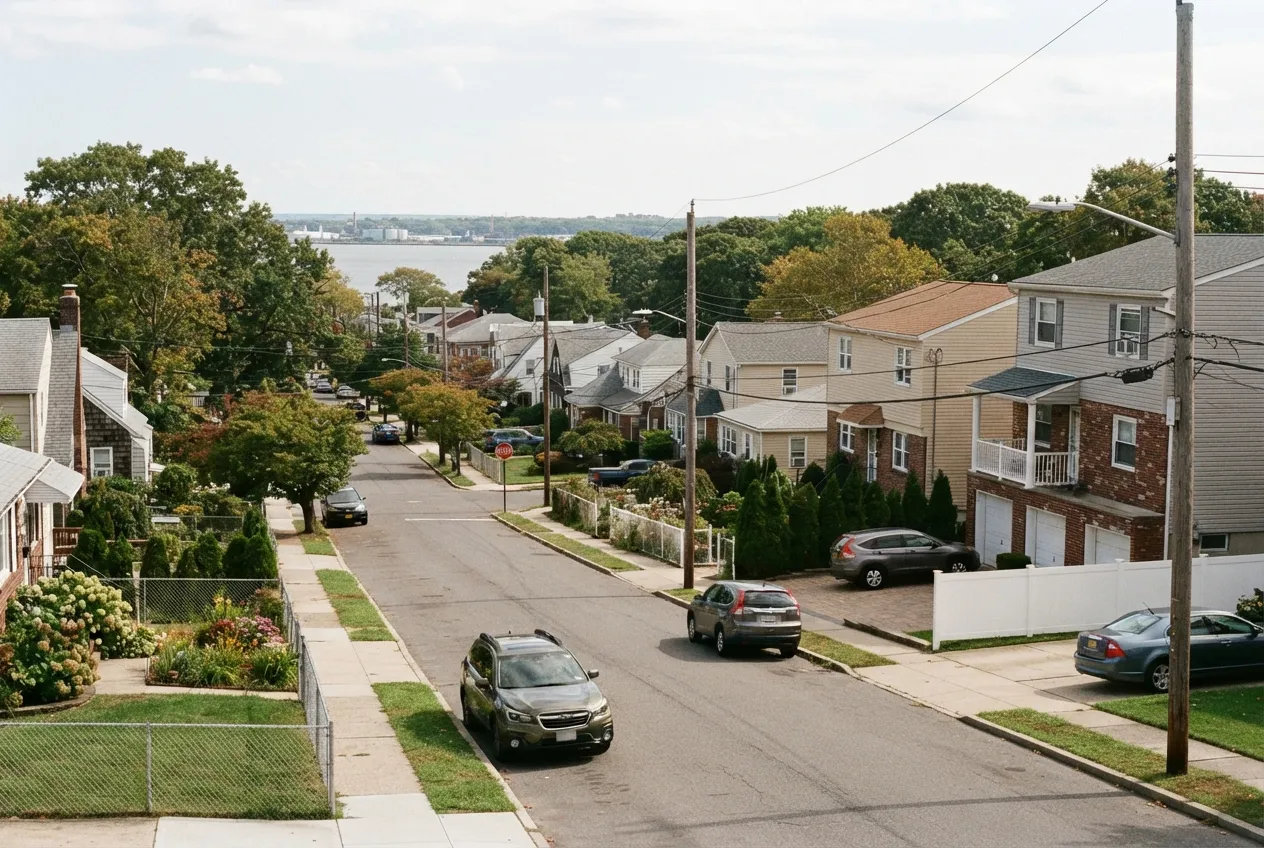
Many homes in Prince's Bay are detached houses, from older frame homes to newer construction, and many of them use a masonry chimney to vent a boiler, furnace, water heater or fireplace. When the flue inside that chimney is cracked, the wrong size, or not suited to the appliance it serves, a properly sized liner is usually the fix. CrestFlue Chimney Service installs chimney liners throughout Prince's Bay and the 10309 and 10312 ZIP codes. Our Staten Island office is about 2 miles away, so the inspection, the installation and any follow-up visits are easy to schedule. Our certified technicians look at the whole venting system first, then recommend the liner that matches your appliance and your chimney.
Signs a Prince's Bay chimney needs a new liner
A chimney liner is the channel that carries exhaust from your appliance or fireplace up and out of the house. In many older masonry chimneys, that channel is clay tile. Over decades, tiles crack, mortar joints wear away, and gaps open up where heat, smoke or exhaust gases can reach the surrounding brick and framing. A liner can also be technically intact and still be a poor fit. A flue sized for an old oil burner is often far too large for a modern high-efficiency boiler, and that hurts draft.
These are the situations where we most often recommend relining:
- Cracked, shifted or missing flue tiles found during an inspection
- Crumbling mortar, white staining or flaking masonry inside the flue or on the chimney's exterior
- Replacing a boiler, furnace or water heater, or switching from oil to gas
- Draft problems such as smoke spilling into the room or a burner that won't vent properly
- An unlined chimney, which is still found in some older houses
- Damage found after a chimney fire
Oil-to-gas conversions and your chimney
Converting a heating system from oil to gas is one of the most common reasons homeowners in this part of Staten Island call us about liners. In New York City, the chimney has to be evaluated as part of an oil-to-gas boiler conversion, and a new liner is often needed. Gas exhaust produces acidic condensate. In a masonry flue that was built for oil, that condensate can corrode the tile and mortar over time.
Fire safety standards treat a fuel switch or a new appliance as a change to the venting system. That calls for a more detailed Level 2 inspection rather than the routine Level 1 check used when nothing has changed. If you're planning a conversion, it helps to bring us in early. That way the liner can be sized and installed in coordination with your heating contractor's schedule.
Matching the liner to your appliance
There is no single liner that works for every chimney. We base our recommendation on the appliance or fireplace being vented, its fuel, its size and output, and the condition and shape of the existing flue.
Stainless steel liners are the most common choice we install. They can serve gas, oil and wood appliances when the correct type is used. They are sized to the appliance's venting requirements, and for wood-burning stoves and fireplaces they are often insulated to help keep flue temperatures up and reduce creosote buildup. For some masonry chimneys with damaged tile or irregular flues, a cast-in-place lining may be the better option. If your chimney serves more than one appliance, such as a boiler and a water heater, we'll explain how each one needs to be vented.
How a liner installation works
Most single-family liner jobs follow the same basic steps. We'll walk you through what applies to your home before any work starts.
- Inspection of the chimney, flue and connections, including a camera scan of the flue when needed
- Measurement of the flue and review of the appliance's venting requirements
- Cleaning of the existing flue and removal of obstructions or loose tile where necessary
- Installation of the liner from the top of the chimney, with proper connections at the appliance end
- A top plate and cap to seal the top of the chimney and keep out rain and animals
- A final check of the connections and draft, and a walkthrough of what we did
Planning around the heating season
New York City's heat season runs from October 1 through May 31. If you own a two-family house or rent out a unit, you must keep tenants' apartments heated to the city's minimum temperatures during that period. Even if you live alone, losing your boiler in January is no fun. Late spring and summer are the easiest times to schedule relining, especially when it's tied to a boiler replacement or fuel conversion.
After the liner is in, routine care is simple. The NFPA 211 standard calls for chimneys, fireplaces and vents to be inspected once a year, and an annual Level 1 inspection is usually all a properly lined chimney needs. We also serve homeowners in Annadale, Huguenot, Woodrow, Arden Heights and Rossville.
More services in Prince’s Bay
- Chimney Sweep in Prince’s BayLocal service & repairs
- Chimney Inspection in Prince’s BayLocal service & repairs
- Chimney Repair in Prince’s BayLocal service & repairs
- Air Duct Cleaning in Prince’s BayLocal service & repairs