
The short answer
Yes, CrestFlue Chimney Service works throughout Todt Hill (ZIP 10304), about 6 miles from our Staten Island office. We handle chimney sweeping, inspection, repair, liners, waterproofing, and dryer vent and air duct cleaning for the neighborhood's detached homes. Book an annual inspection before heating season so any repairs are finished before you need the heat.
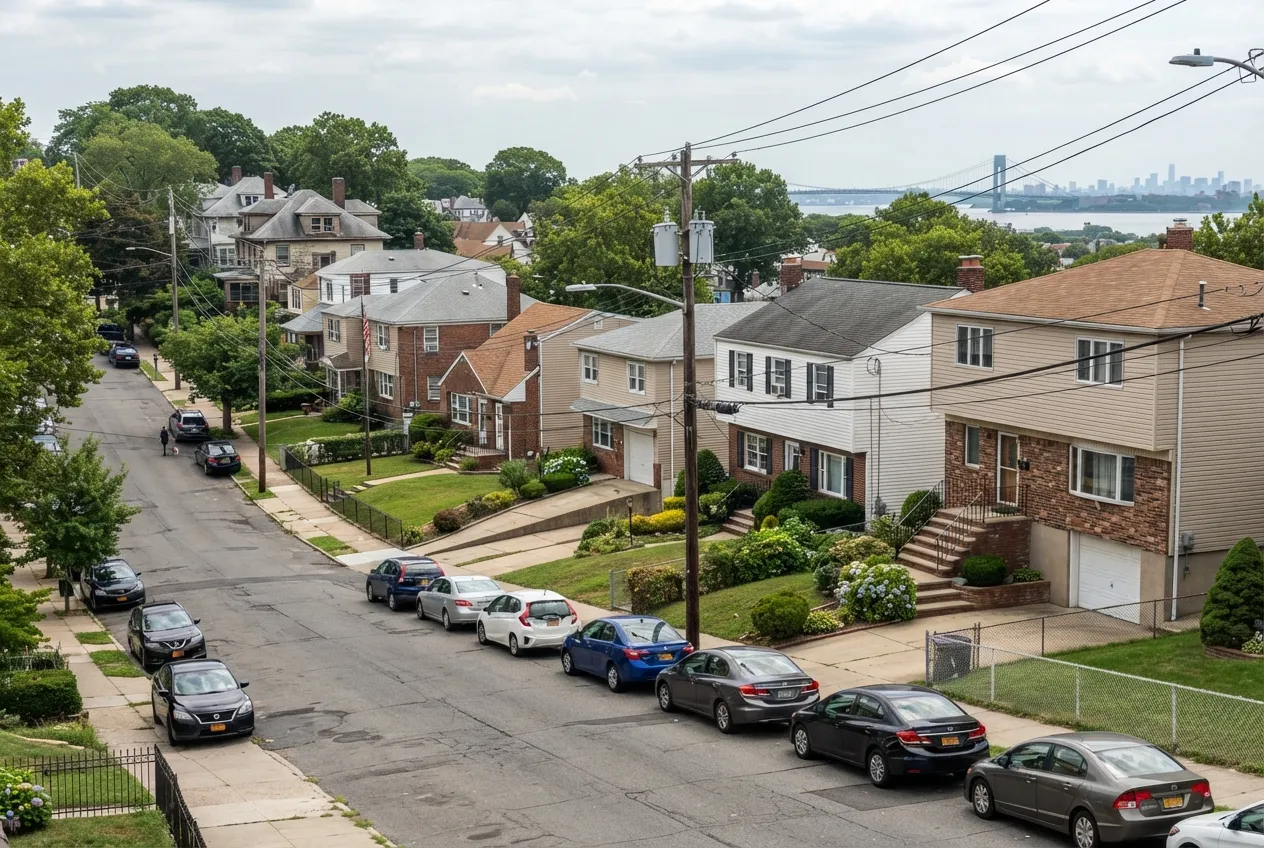
Todt Hill is about 6 miles northeast of our Staten Island office, so CrestFlue Chimney Service can reach homes in ZIP code 10304 without a long trip across the borough. The neighborhood is mostly detached single-family houses, many of them larger homes with more than one fireplace, a separate flue for the boiler or furnace, and long dryer vent and duct runs. That means one visit often covers several systems. Our certified technicians sweep, inspect and repair chimneys, install liners, caps and chase covers, and clean dryer vents and air ducts throughout Todt Hill.
What Todt Hill Homes Usually Need
Most houses in Todt Hill are detached homes, and many are large enough to have two or three flues running through one chimney or through separate chimneys. A wood-burning fireplace in the living room, a gas fireplace or insert elsewhere, and a boiler or furnace vent can all share the same roofline. Each one wears differently, so we look at each flue on its own instead of treating the chimney as a single unit.
Bigger homes also tend to have longer dryer vent runs and more ductwork. A long vent that turns several times collects lint faster than a short, straight one. Here is what we do in the neighborhood:
- Chimney sweeping and annual chimney inspections
- Chimney repair, crown repair and full chimney rebuilding
- Chimney liner installation for wood, gas and oil appliances
- Chimney caps, chase covers and chimney waterproofing
- Fireplace and damper repair
- Dryer vent cleaning and air duct cleaning
How Staten Island Weather Affects Your Chimney
Todt Hill sits on high ground, and chimneys there are exposed to the wind and wind-driven rain that come with coastal storms and nor'easters. In winter, water that soaks into brick and mortar freezes and expands, then thaws, again and again. Over a few seasons, that cycle cracks crowns, loosens mortar joints and makes brick faces flake off.
Humid summers bring their own problems. Moisture inside a flue mixes with soot and creosote and produces a strong odor, and it can rust a damper or a metal chase top. A properly fitted chimney cap keeps out rain, leaves and animals. A breathable water repellent applied to sound masonry slows water absorption without trapping moisture inside the brick. We repair cracks and failing mortar first, because waterproofing will not fix damage that has already happened.
Annual Inspections and Heating Season Timing
The NFPA 211 standard calls for chimneys, fireplaces and vents to be inspected once a year. A Level 1 inspection fits most years, when nothing about the system has changed. A Level 2 inspection is called for when you add a new appliance, switch fuels, or buy or sell a home. A Level 3 inspection is needed only when a suspected hidden hazard can only be reached by opening part of the chimney or the building.
New York City's heat season runs from October 1 through May 31. Scheduling your inspection and sweep in late summer or early fall leaves time to finish any repairs before you rely on the boiler and fireplace every day.
Oil-to-Gas Conversions and Chimney Liners
Many Staten Island homes that once burned heating oil have switched to gas or are planning to. When a New York City building converts its boiler from oil to gas, the chimney has to be evaluated as part of the work. A new liner is often needed, because gas exhaust produces acidic condensate that can corrode an unlined or poorly lined masonry flue. We inspect the existing flue, check that it is sized correctly for the new appliance, and install a liner when it is needed.
Dryer Vents and Air Ducts
According to the U.S. Fire Administration, failure to clean is the leading factor contributing to clothes dryer fires in homes. If your clothes take longer to dry, the laundry room feels hot, or the outside flap barely opens, the vent probably needs cleaning. We clean the full run from the dryer to the exterior termination.
For air ducts, we follow the U.S. EPA's guidance: cleaning makes sense when there is substantial visible mold growth, signs of vermin, or excessive dust and debris. The EPA notes that duct cleaning has not been shown to prevent health problems, so we explain what we find and do not push chemical treatments you do not need.
ZIP codes we serve
- 10304