
The short answer
Arden Heights homes typically need a new chimney liner when the existing flue is cracked or deteriorated, or when the heating system changes, such as an oil-to-gas boiler conversion. CrestFlue's certified technicians inspect the chimney first, then install a liner sized and rated for the appliance it serves.
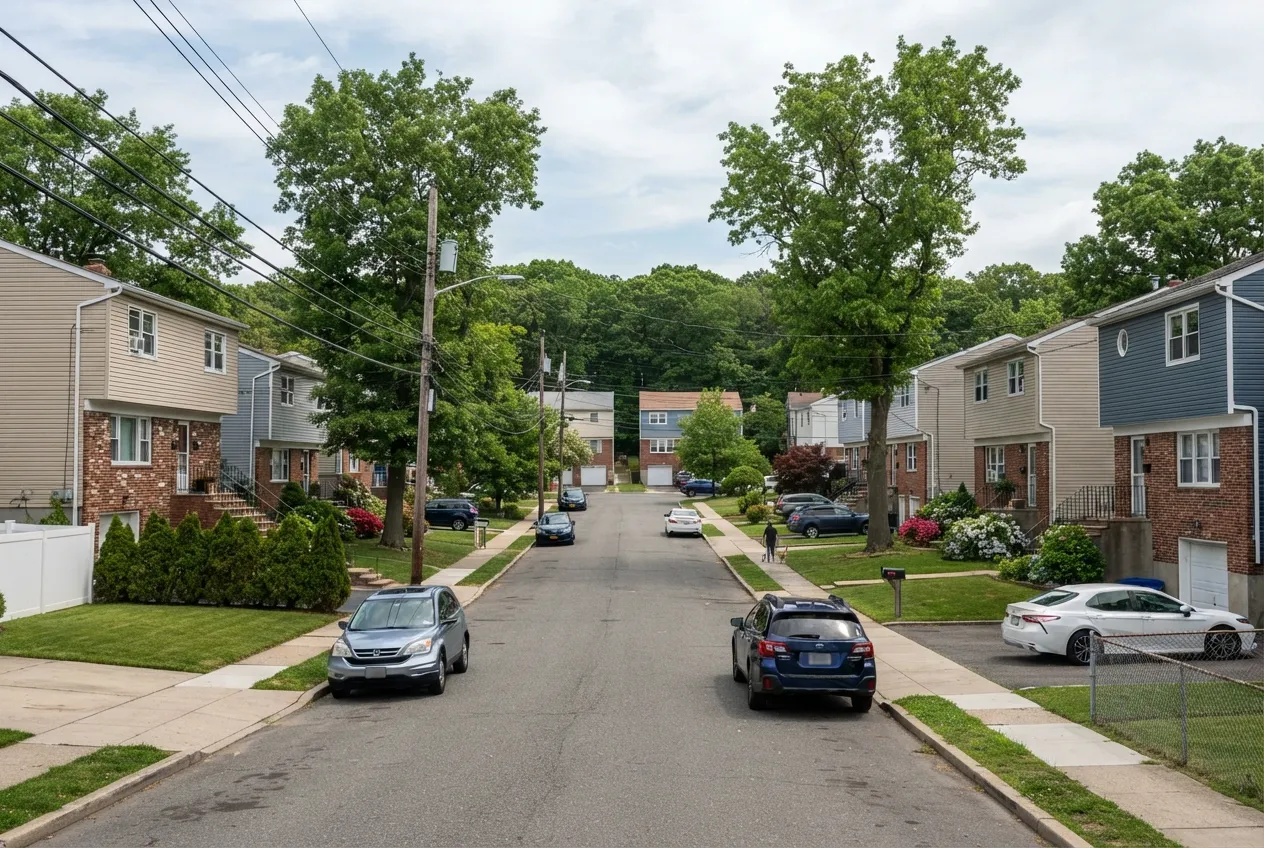
A chimney liner is the protective channel inside your chimney that carries smoke and exhaust gases out of the house. In Arden Heights, most homes are detached or semi-detached houses and townhouses with masonry chimneys serving a boiler, furnace, water heater or fireplace. Over time, or after a change in heating equipment, the original liner can crack, corrode or simply stop being the right size. CrestFlue Chimney Service installs and replaces chimney liners for Arden Heights homeowners. Our office is about 2 miles away, so we can usually inspect your chimney, explain what we find, and plan the work without a long wait.
Why Arden Heights Homes Need New Liners
Many chimneys in the neighborhood were built with clay tile flue liners. Clay holds up well for years, but freeze-thaw cycles, chimney fires and normal settling can crack tiles or open the mortar joints between them. Once that happens, heat and exhaust can reach the surrounding brick and the wood framing nearby.
Heating upgrades are the other common reason. When a New York City building converts its boiler from oil to gas, the chimney has to be evaluated as part of the work. A new liner is often needed because gas exhaust produces acidic condensate that can corrode a masonry flue. Newer high-efficiency equipment can also need a smaller or differently rated flue than the old chimney provides.
- Cracked, shifted or missing clay flue tiles
- Oil-to-gas boiler or water heater conversion
- New furnace, boiler or wood stove with different venting needs
- Flaking masonry, white staining or moisture inside the chimney
- Damage found after a chimney fire
How We Decide Whether You Need a Liner
We don't recommend a liner until we've looked inside the chimney. The NFPA 211 standard calls for chimneys, fireplaces and vents to be inspected once a year, and it uses three inspection levels. A change to the system, such as a new appliance or a switch of fuel, calls for a Level 2 inspection, which includes a camera look at the full length of the flue. A Level 3 inspection is only needed when a hidden hazard has to be reached by opening part of the chimney or building.
After the inspection, we show you the camera footage, explain what's wrong in plain terms, and tell you what type of liner fits your appliance and chimney. If your existing liner is still sound, we'll tell you that too.
Liner Options We Install
The right liner depends on what the chimney serves and what shape the flue is in. We match the material and size to your appliance's venting requirements so exhaust moves out efficiently and condensation is kept under control.
- Stainless steel liners: the most common choice for gas and oil appliances and for oil-to-gas conversions, available in rigid or flexible sections to fit offset chimneys
- Insulated stainless liners: used where extra protection or better draft is needed, often for wood-burning fireplaces and stoves
- Cast-in-place liners: a poured lining that can strengthen a deteriorated masonry flue
- Correctly sized liners for water heaters that share or switch to a separate flue
What Installation Day Looks Like
We protect floors and furniture near the work area before starting. The flue is cleaned so the new liner goes into a clear channel. The liner is then lowered from the roof, connected to the appliance at the bottom, and capped at the top to keep out rain and animals. Finally, we check the connection and draft, and walk you through what was done.
Most stainless liner jobs are finished in a day. If you're converting from oil to gas, we can coordinate timing with your heating contractor so the chimney is ready when the new equipment is.
Planning Around the Heating Season
New York City's heat season runs from October 1 through May 31. If you own a two-family home or rent out a unit, you're required to keep tenants heated to the city's minimum temperatures during those months. A liner problem found in January can leave a boiler shut down until the chimney is fixed. Scheduling your inspection and any liner work in late spring or summer gives you time to plan without pressure.
We also work in nearby Rossville, Annadale, Huguenot, Prince's Bay and Woodrow, so neighbors on the South Shore can book on the same schedule.
More services in Arden Heights
- Chimney Sweep in Arden HeightsLocal service & repairs
- Chimney Inspection in Arden HeightsLocal service & repairs
- Chimney Repair in Arden HeightsLocal service & repairs
- Air Duct Cleaning in Arden HeightsLocal service & repairs