
The short answer
Chimney repair in Arden Heights usually means stopping water from getting into the masonry by fixing crowns, mortar joints, flashing, caps and flue liners. We start with an inspection so the repair matches the real problem, and we serve Arden Heights and nearby Staten Island neighborhoods.
Most chimney damage in Arden Heights starts small: a cracked crown, a few eroded mortar joints, or flashing that has pulled away from the roof. Left alone through a few Staten Island winters, those small problems let water into the masonry, and water causes most of the costly chimney damage we see. CrestFlue Chimney Service repairs chimneys on the detached and semi-attached homes and townhouses throughout Arden Heights, about 2 miles east of our Staten Island office. Our certified technicians find out what is actually wrong, explain it plainly, and fix the cause rather than just the symptom.
What Chimney Repair Covers for Arden Heights Homes
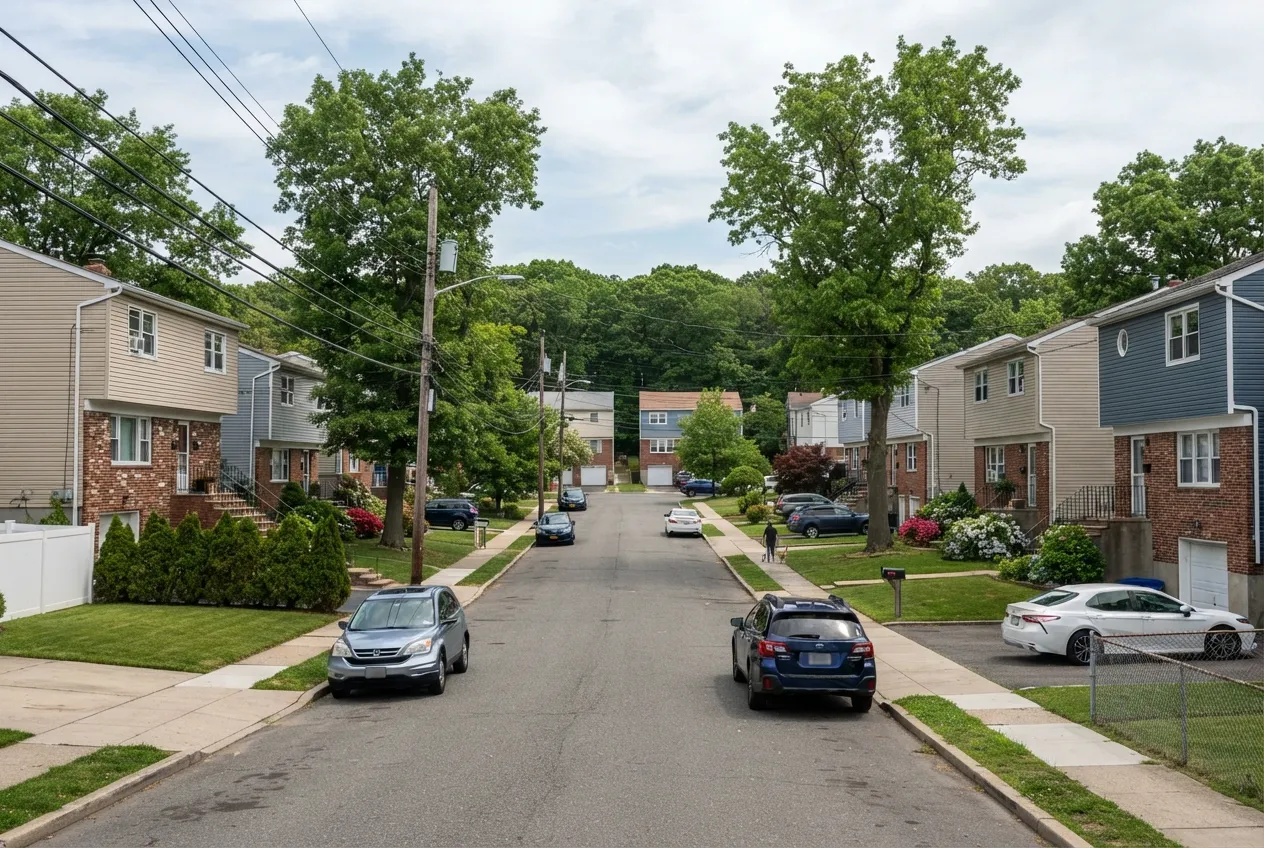
Arden Heights homes come in many forms. You'll see detached houses, semi-attached homes and townhouse rows, with chimneys serving fireplaces, gas or oil boilers, and water heaters. A fireplace chimney and a boiler chimney wear out in different ways, so we look at how yours is used before recommending work.
The repairs we handle most often include:
- Repointing: removing failed mortar and packing in fresh mortar so the brick sheds water again
- Crown repair or rebuilding when the concrete cap on top of the chimney is cracked or crumbling
- Flashing repair where the chimney meets the roof, a common source of leaks into ceilings and attics
- Chimney caps and spark arrestors to keep out rain, animals and debris
- Flue liner repair or replacement for cracked clay tiles or flues that no longer fit the appliance
- Rebuilding the top courses of brick when freeze-thaw damage has loosened them
Signs Your Chimney Needs Attention
Many chimney problems are visible from the ground or from inside the house if you know what to look for. If you notice any of the following, it's worth having the chimney looked at before the next heating season:
- Water stains on ceilings or walls near the chimney
- White, chalky deposits on the brick, which point to moisture moving through the masonry
- Brick faces flaking or popping off, or mortar you can scrape out with a key
- Pieces of tile, brick or mortar falling into the firebox or the boiler cleanout
- A chimney that looks like it leans or has separated from the house
- Rust on the damper, firebox or cap
Why Repairs Start With an Inspection
The NFPA 211 standard calls for chimneys, fireplaces and vents to be inspected once a year. It also describes three levels of inspection. A Level 1 inspection fits when nothing about the system has changed. A Level 2 inspection applies when the system changes, such as a new appliance or a fuel switch, or when the home is being sold. A Level 3 inspection is reserved for cases where a hidden hazard can only be reached by opening part of the chimney or the building.
For repair work, an inspection tells us whether a leak is coming from the crown, the flashing or the brick itself, and whether the flue liner is sound. That keeps you from paying for a repair that doesn't fix the leak. We'll show you what we found and walk you through your options before any work begins.
Oil-to-Gas Conversions and Chimney Liners
Some Arden Heights homeowners are switching boilers from oil to gas. When a building in New York City converts from oil to gas, the chimney has to be evaluated as part of the job. A new liner is often needed because gas exhaust produces acidic condensate that can corrode a masonry flue from the inside.
If you're planning a conversion, or one was finished and the chimney was never looked at, we can check whether the existing flue is suitable and install a properly sized liner if it isn't. Many people never see this kind of damage until mortar and tile debris start collecting at the base of the chimney.
Scheduling Repairs Around the Heating Season
New York City's heat season runs from October 1 through May 31. For owners of two-family homes or houses with a rental unit, that matters, because tenants have to be kept at the city's minimum temperatures during those months. A boiler chimney that needs major work in January can turn into a real headache.
Late spring and summer are the easiest times to schedule masonry and liner work, since mortar cures well in mild weather and nobody is depending on the heat. If you notice a problem in the middle of winter, call us anyway. Some repairs can't wait, and we'll tell you honestly which ones those are.
Beyond Arden Heights, we also repair chimneys in Rossville, Annadale, Huguenot, Prince's Bay and Woodrow.
More services in Arden Heights
- Chimney Sweep in Arden HeightsLocal service & repairs
- Chimney Inspection in Arden HeightsLocal service & repairs
- Air Duct Cleaning in Arden HeightsLocal service & repairs
- Chimney Liner Installation in Arden HeightsLocal service & repairs