The short answer
A Rossville chimney should be inspected once a year, as the NFPA 211 standard recommends, and also whenever you change fuel, replace a heating appliance, or buy or sell the house. CrestFlue's certified technicians recommend the right inspection level and explain the results so you know what needs attention.
In many Rossville homes, the chimney does more than serve a fireplace on a cold night. Its flue often vents a gas or oil boiler, a water heater, or both, and it works every day through the heating months. CrestFlue Chimney Service inspects chimneys, fireplaces and appliance vents throughout Rossville from our Staten Island office, about 2 miles away. Our certified technicians look at the whole system, from the cap to the base of the flue. They explain what they find in plain language and tell you which items can wait and which should be handled before you light another fire or start the heat.
Why a Yearly Inspection Makes Sense in Rossville
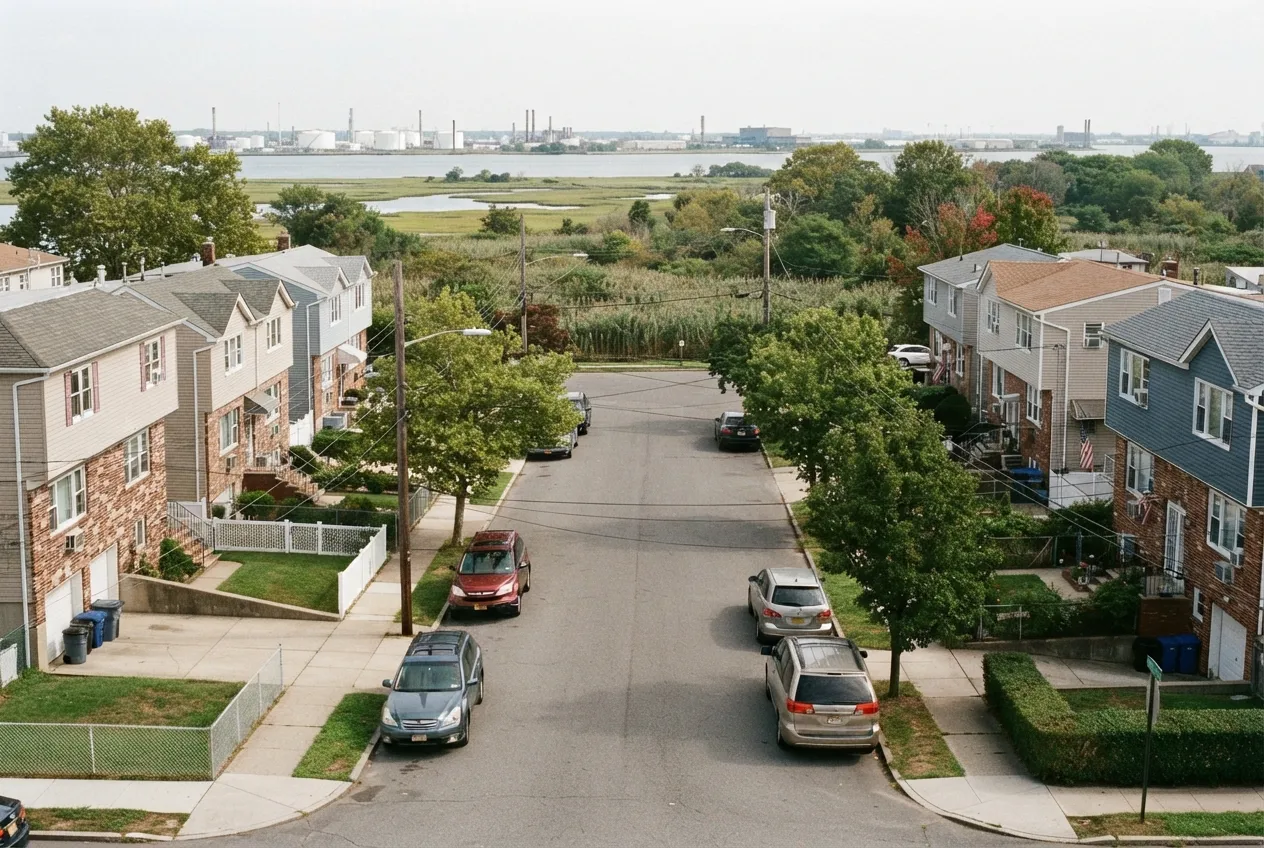
Rossville is mostly detached and semi-attached houses and townhouses, built over many decades. Some chimneys serve a wood-burning or gas fireplace that gets used a few times each winter. Others vent a boiler or water heater that runs nearly every day. Both kinds wear out, just in different ways. Fireplace flues collect creosote and debris. Appliance flues can corrode from the inside, lose mortar, or get blocked by nests and fallen liner pieces without any sign you can see from the living room.
The NFPA 211 standard calls for chimneys, fireplaces and vents to be inspected once a year. A yearly check catches small problems, like a cracked crown, a loose cap or early flue damage, while they are still easy to fix. If you rent out part of a two-family home, timing matters more. New York City's heat season runs from October 1 through May 31, and owners must keep apartments heated to the city's minimum temperatures during that period. Finding a flue problem in late summer is far easier than dealing with it in January.
Choosing the Right Inspection Level
Chimney professionals use three inspection levels. We'll recommend the one that fits your situation and explain why.
- Level 1: For a chimney in regular use when nothing about the system has changed. We examine the readily accessible parts of the chimney, the fireplace or appliance connection, and the flue.
- Level 2: Needed when the system changes, such as a new boiler, a switch of fuel, or a new liner, and when a home is sold. This level includes a closer look at the flue, often with a camera, along with accessible areas like the attic and basement.
- Level 3: Used only when a hidden hazard has to be reached by opening part of the chimney or the building. We don't recommend this level unless an earlier inspection points to a problem that can't be confirmed any other way.
What We Check on Your Chimney
An inspection covers the full path the smoke and exhaust take, inside and out. Typical items include:
- Chimney cap, crown and flashing, where water most often gets in
- Exterior brick and mortar joints for cracks, spalling and gaps
- Flue liner condition, including cracks, missing sections and corrosion
- Creosote and soot buildup in fireplace flues
- Damper, firebox, smoke chamber and hearth
- Boiler and water heater connector pipes and how they join the chimney
- Blockages from nests, leaves or fallen debris
- Clearance between the chimney and nearby wood framing where it can be seen
Converting From Oil to Gas
Some Staten Island homes still heat with oil, and many owners are thinking about switching to gas. When a New York City building converts its boiler from oil to gas, the chimney has to be evaluated as part of the work. Gas exhaust produces acidic condensate that can corrode a masonry flue, so a new liner is often needed. A Level 2 inspection before or during the conversion shows whether your existing flue can handle the change or needs relining. That helps you and your heating contractor plan the job without surprises.
What to Expect on Inspection Day
We'll ask how you use the fireplace and what appliances are connected to the chimney. Please let any fire burn out completely beforehand, and keep the area around the fireplace and boiler clear. After the inspection, you get a clear explanation of what we found, with photos where they help, and our recommendations in order of priority. If the chimney needs a cleaning or repair, we'll describe the work. The decision is yours.
Besides Rossville, we inspect chimneys in nearby Arden Heights, Annadale, Huguenot, Prince's Bay and Woodrow.
More services in Rossville
- Chimney Sweep in RossvilleLocal service & repairs
- Chimney Repair in RossvilleLocal service & repairs
- Air Duct Cleaning in RossvilleLocal service & repairs
- Chimney Liner Installation in RossvilleLocal service & repairs