The short answer
A chimney inspection checks the flue, liner, masonry, crown and connections for damage, blockages and venting problems. The NFPA 211 standard calls for an inspection once a year, and a more detailed Level 2 inspection when you change heating fuel or appliances or sell your home. CrestFlue inspects chimneys across Tottenville and nearby South Shore neighborhoods.
Most Tottenville homeowners only think about the chimney when something goes wrong: a smoky fireplace, a musty smell after a storm, or a heating contractor saying the flue needs a look before they can finish a job. A chimney inspection gets ahead of those moments. CrestFlue Chimney Service is about 2 miles north of Tottenville, and our certified technicians inspect chimneys throughout the 10307 ZIP code. That includes fireplace chimneys in detached homes and the flues that vent boilers and furnaces. You get a clear explanation of what we found, what matters now, and what can wait.
Why Tottenville Chimneys Need a Yearly Look
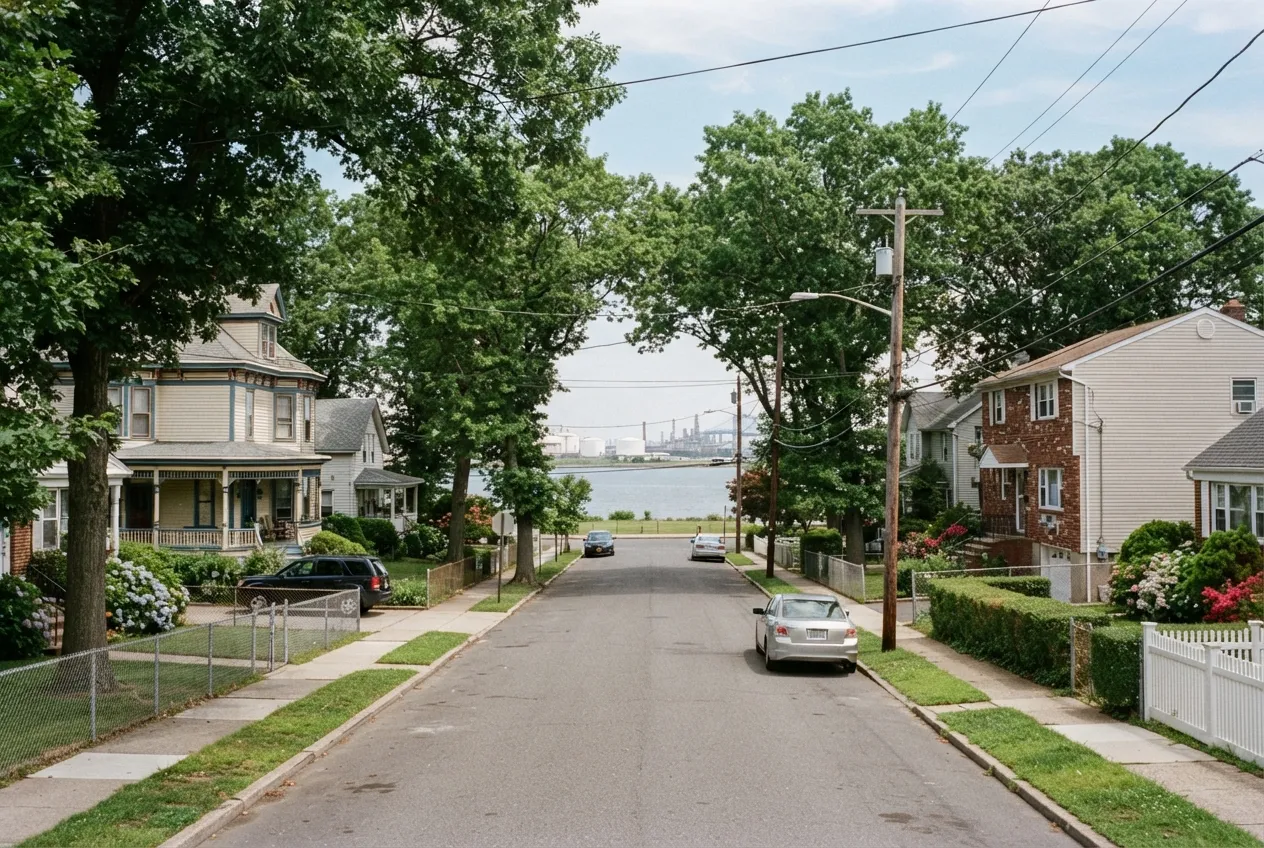
Tottenville's housing ranges from older detached frame houses to newer attached and semi-attached homes. Many have a masonry chimney serving a fireplace, a boiler or furnace flue, or both. Being near the water, at the southern tip of the island, these chimneys take a steady beating from wind-driven rain, freeze-thaw cycles and salty air. Over time that can crack a chimney crown, loosen mortar joints and let water into the flue, often before anything shows inside the house.
The NFPA 211 standard calls for chimneys, fireplaces and vents to be inspected once a year. A yearly inspection catches small problems while they are still small, and it confirms that exhaust from your fireplace or heating system is leaving the house the way it should.
The Three Inspection Levels, Explained
Chimney professionals use three levels of inspection. The right one depends on your situation, not on how much work we can find. We'll tell you which level fits before we start.
- Level 1: For chimneys that are used the same way as before, with no changes. We examine the readily accessible parts of the chimney, the firebox, the damper and the connections, and check for blockages and buildup.
- Level 2: Needed when something about the system changes, such as a new appliance or a switch of fuel, and when a home is being sold. It covers everything in Level 1 plus accessible attic, crawl space and basement areas, and usually a camera scan of the flue interior.
- Level 3: Reserved for cases where a hidden hazard is suspected and can only be reached by opening part of the chimney or the building. It is not routine, and we only recommend it when there's a specific reason.
Oil-to-Gas Conversions and Your Chimney Liner
Some Staten Island homes and buildings still heat with oil, and many owners are converting to gas. When a New York City building converts its boiler from oil to gas, the chimney has to be evaluated as part of the work. Gas exhaust produces acidic condensate that can corrode a masonry flue, so a new liner is often needed.
If you're planning a conversion, schedule a Level 2 inspection early. We'll look at the existing flue, check whether it's properly sized and lined for the new appliance, and give you findings you can share with your heating contractor. Finding out late can hold up the whole project.
What You Get After the Inspection
When we finish, we walk you through what we saw, using camera footage or photos where it helps. We separate safety issues that need attention before you use the fireplace or heating system from maintenance items you can plan for. If the chimney is in good shape, we'll say so. Our job is to give you an accurate picture, not a list of extras.
Common findings in this area include cracked crowns, deteriorating mortar, damaged or missing chimney caps, creosote buildup in wood-burning fireplaces, debris or animal nests in the flue, and liners that are cracked or wrong for the appliance they serve.
When to Schedule
Late summer and early fall are ideal. That leaves time for any repairs before cold weather sets in. New York City's heat season runs from October 1 through May 31, so if you own a building with tenants, an inspection before October helps keep the heating system running when it's required. We also serve Charleston, Annadale, Huguenot, Prince's Bay and Woodrow, so neighbors on the South Shore can book with the same team.
More services in Tottenville
- Chimney Sweep in TottenvilleLocal service & repairs
- Chimney Repair in TottenvilleLocal service & repairs
- Air Duct Cleaning in TottenvilleLocal service & repairs
- Chimney Liner Installation in TottenvilleLocal service & repairs