The short answer
Tottenville homes may need a new chimney liner when the existing flue is cracked or deteriorated, or when a heating appliance or fuel type changes, such as an oil-to-gas boiler conversion. CrestFlue inspects the chimney first, then fits a liner sized for the appliance it will serve.
A chimney liner is the protective channel inside your chimney that carries smoke and exhaust gases up and out of your home. When that liner is cracked, missing, or the wrong size for the appliance it serves, heat and corrosive byproducts can reach the masonry and the framing around it. CrestFlue Chimney Service installs chimney liners for homeowners in Tottenville, about 2 miles south of our Staten Island office. Our certified technicians inspect the chimney first, explain what they found, and recommend a liner only when the flue actually needs one.
Why Tottenville Chimneys Need Relining
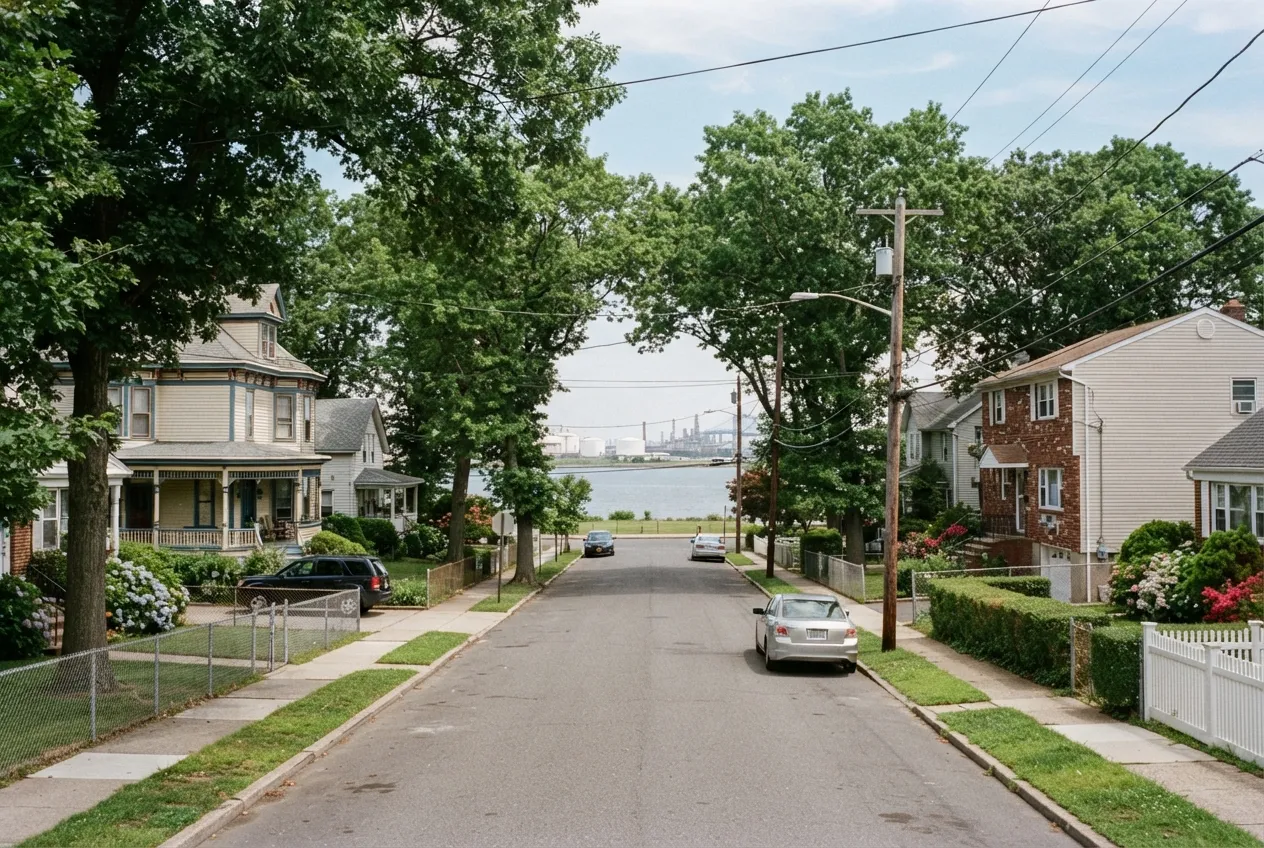
Tottenville sits at the southern tip of Staten Island, and much of its housing is detached homes, from older houses to newer construction, with some attached and semi-attached homes mixed in. Many of these chimneys serve an oil or gas boiler, a water heater, a wood-burning fireplace, or a combination of them. Over decades, clay tile liners can crack from heat, settle out of alignment, or lose mortar at the joints. Some older chimneys were built with no liner at all.
A damaged liner is not always visible from the fireplace or basement. Common warning signs include flakes of tile or mortar at the base of the flue, staining or damp patches on walls next to the chimney, a persistent odor, and an appliance that drafts poorly. Any of these is a reason to have the flue looked at before the next heating season.
Oil-to-Gas Conversions and Other Appliance Changes
When a New York City building converts its boiler from oil to gas, the chimney has to be evaluated as part of the work. A new liner is often needed because gas exhaust produces acidic condensate that can corrode a masonry flue. A flue that handled oil for years may not be suited to gas without relining.
The same question comes up when you replace a boiler or water heater with a more efficient unit, add a wood or pellet insert to an open fireplace, or remove one appliance from a shared flue. Each of these can change the size and type of liner the chimney needs. Coordinating the liner with your heating contractor before the new equipment goes in helps the project move in the right order.
Inspection Comes Before Installation
The NFPA 211 standard calls for chimneys, fireplaces and vents to be inspected once a year. Chimney professionals use three inspection levels, and the right level depends on your situation. Liner work in Tottenville often falls under Level 2, because it usually follows a system change or a home sale.
- Level 1: a routine check of the accessible parts of the chimney when nothing about the system has changed.
- Level 2: required when the system changes, such as a new appliance or a switch of fuel, or when the home is sold. It typically includes a camera inspection of the flue's interior.
- Level 3: used when a hidden hazard has to be reached by opening part of the chimney or building.
Choosing the Right Liner for Your Chimney
There is no single liner that fits every chimney. Our technicians match the liner to the appliance, the fuel, and the condition and shape of the existing flue. Sizing matters: a liner that is too large or too small for the appliance can cause poor draft and condensation problems.
After installation, we check that the liner is properly connected at the top and bottom, that the appliance is drafting, and that the chimney cap and top seal are in place. We walk you through what was done and what to keep an eye on.
- Stainless steel liners, commonly used for gas and oil appliances and for relining a damaged clay flue.
- Insulated liners where clearances or cold flue temperatures call for them.
- Cast-in-place options for chimneys that need structural reinforcement along with a new flue surface.
- Chimney caps to keep rain, debris and animals out of the new liner.
Scheduling Liner Work in Tottenville and Nearby
New York City's heat season runs from October 1 through May 31, when building owners must keep apartments heated to the city's minimum temperatures. For homeowners, the practical takeaway is to plan liner work before October, so the boiler is not out of service once cold weather arrives. If a problem turns up in winter, we will explain what needs to happen to get the heat running safely.
Along with Tottenville in ZIP code 10307, we install chimney liners for homes in Charleston, Annadale, Huguenot, Prince's Bay and Woodrow.
More services in Tottenville
- Chimney Sweep in TottenvilleLocal service & repairs
- Chimney Inspection in TottenvilleLocal service & repairs
- Chimney Repair in TottenvilleLocal service & repairs
- Air Duct Cleaning in TottenvilleLocal service & repairs