The short answer
A Woodrow home usually needs a new chimney liner when the existing clay flue is cracked or deteriorated, or when a boiler, furnace or other appliance is replaced or switched to a new fuel. CrestFlue inspects the flue first, then installs a liner sized and rated for the specific appliance. We try to schedule the work so you aren't without heat when you need it.
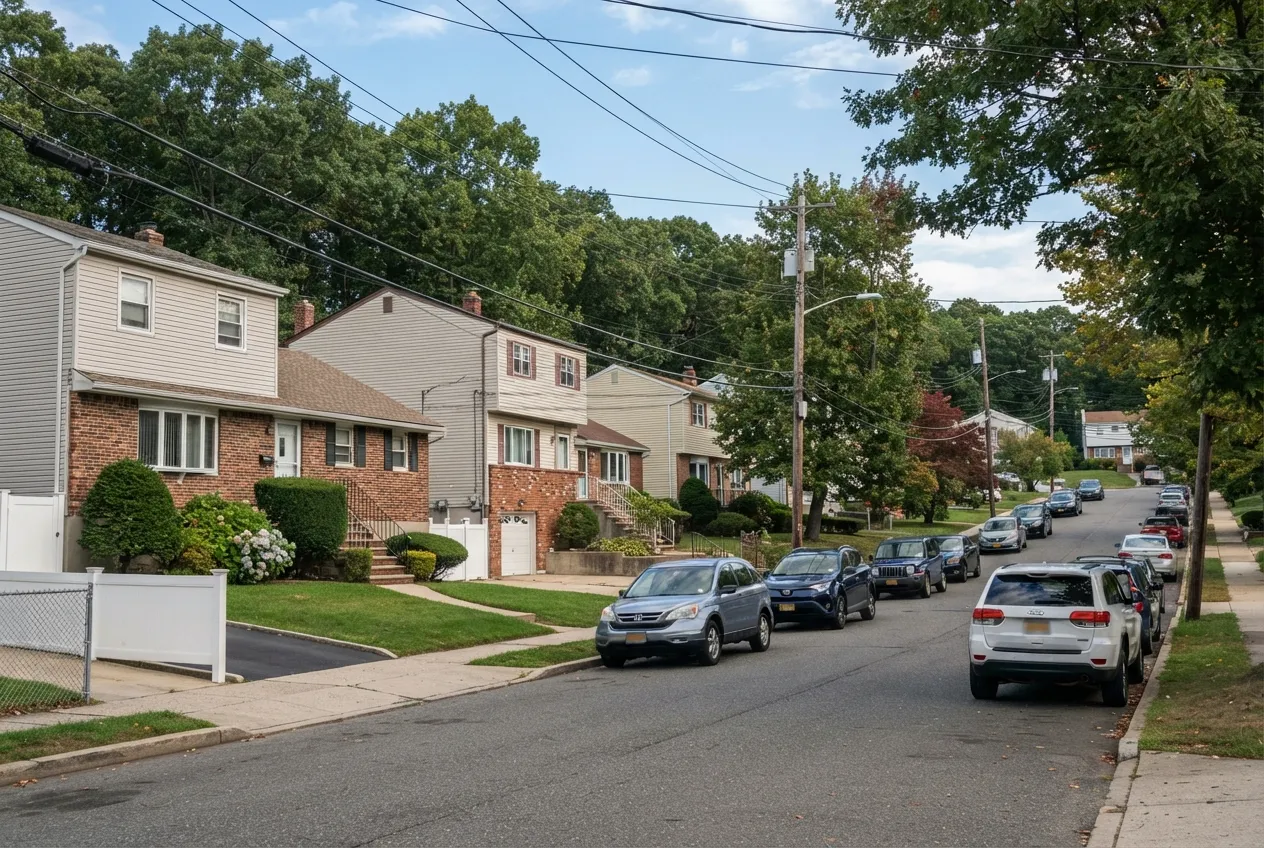
A chimney liner is the channel inside your chimney that carries smoke and exhaust out of the house. It also keeps heat and corrosive byproducts away from the surrounding brick and wood framing. Most Woodrow homes are detached or semi-attached houses with a boiler, furnace, water heater or fireplace venting through a masonry chimney. In those homes the liner works out of sight until something goes wrong. Cracked clay tiles, crumbling mortar joints, or a flue that no longer matches the appliance can let exhaust leak, cause poor draft, or wear down the masonry from the inside. CrestFlue Chimney Service installs liners for homes in Woodrow (ZIP codes 10309 and 10312), about two miles southeast of our Staten Island office. Our certified technicians start by finding out why a liner is needed. Then they fit one that matches the appliance it serves.
Signs Your Woodrow Chimney May Need a Liner
Many chimneys on Staten Island's South Shore were built with clay tile flue liners. Clay holds up well for years, but tiles can crack from a chimney fire or from repeated heating and cooling. Mortar joints between tiles can erode and leave gaps. Some older chimneys have no liner at all. Homeowners rarely see this damage directly. It usually shows up as symptoms or turns up during an inspection.
These are the most common reasons we recommend a liner:
- An inspection camera shows cracked, shifted or missing flue tiles
- Flakes of tile or masonry collect at the base of the chimney or in the cleanout
- Water stains, peeling paint or damp spots near the chimney inside the house
- A new boiler, furnace or water heater is being installed and the old flue is the wrong size for it
- The heating system is switching from oil to gas
- Smoke spillage or poor draft from a fireplace or appliance
Oil-to-Gas Conversions and Appliance Changes
Many Woodrow homeowners call us during a heating conversion. When a boiler in New York City is converted from oil to gas, the chimney has to be evaluated as part of the work. A new liner is often needed. Gas exhaust produces acidic condensate, and that moisture can corrode an unlined or clay-lined masonry flue over time.
Even a gas-to-gas replacement can call for a liner. Newer, more efficient appliances often run cooler exhaust and may need a smaller flue to draft properly. Under the NFPA 211 standard, a change to the venting system, such as a new appliance or a fuel switch, is a reason for a more detailed Level 2 inspection. A Level 2 inspection includes a camera review of the flue interior. We use what it shows to decide whether relining is the right fix.
Matching the Liner to Your Appliance
No single liner fits every chimney. The right choice depends on the fuel, the appliance's venting requirements, and the size and condition of the existing flue. We size every liner to the appliance it will serve. A liner that is too large or too small can cause condensation, weak draft or exhaust backing into the house.
For most gas and oil appliances in local homes, we install stainless steel liners rated for that fuel. They run continuously from the appliance connection to the top of the chimney. Wood-burning fireplaces and stoves may need a different liner type, size and insulation. If you have more than one appliance venting into the same chimney, we explain whether they can share a flue or need separate ones.
What Installation Involves
Most liner jobs follow the same steps. First, we inspect and clean the existing flue so the new liner goes into a clear passage. Next, we measure and select a liner for your appliance. Then we lower it down the chimney from the top. Finally, we connect it at the base and secure it at the crown with a top plate and cap. Where needed, we add insulation around the liner.
Before we leave, we check the connection and draft. We also walk you through what we did and show you photos of the work. Chimney access on detached and semi-attached houses is usually straightforward from the roof. Even so, we review roof access, crown condition and any masonry repairs with you before the job starts.
Scheduling Around Heat Season
New York City's heat season runs from October 1 through May 31. If you rent out part of a two-family house, you must keep the apartment heated to the city's minimum temperatures during that period. We recommend planning liner work and conversions in late spring or summer when you can. If a liner problem turns up mid-winter, we work to keep downtime as short as possible.
After installation, the NFPA 211 standard calls for a yearly chimney and vent inspection to keep the system in good order. Besides Woodrow, we serve nearby Annadale, Huguenot, Prince's Bay, Arden Heights and Rossville.
More services in Woodrow
- Chimney Sweep in WoodrowLocal service & repairs
- Chimney Inspection in WoodrowLocal service & repairs
- Chimney Repair in WoodrowLocal service & repairs
- Air Duct Cleaning in WoodrowLocal service & repairs