
The short answer
CrestFlue repairs chimney crowns, flashing, mortar joints, brick, caps and flue liners for homes in Woodrow, Staten Island. Every job starts with an inspection so the repair targets the actual cause, whether that's a leak, freeze-thaw damage or a liner that doesn't suit your heating appliance.
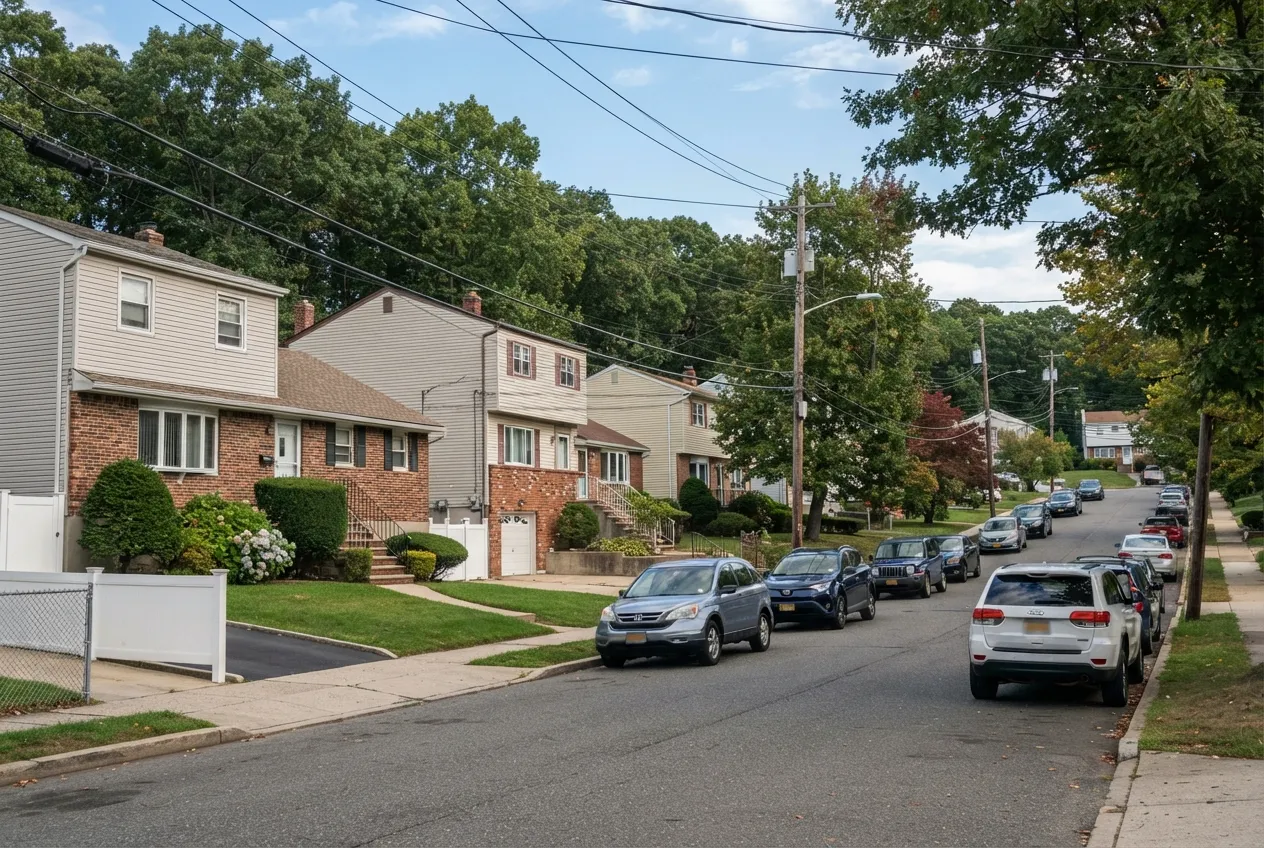
Most chimney damage in Woodrow starts small. It might be a hairline crack in the crown, a gap where the flashing meets the roof, or mortar that crumbles when you press on it. After a few Staten Island winters, those small problems let water into the masonry, and freeze-thaw cycles widen every opening. CrestFlue Chimney Service repairs chimneys on detached and semi-detached homes throughout Woodrow, in ZIP codes 10309 and 10312, about two miles southeast of our Staten Island office. Our certified technicians find the source of the damage first, then repair it so the same problem doesn't return next season.
Common chimney problems in Woodrow homes
Woodrow's housing is mostly detached and semi-attached single-family homes. Many have masonry chimneys that serve a fireplace, a furnace or boiler, or both. Whatever the age of the house, chimneys here face the same pressures: wet weather, winter freezes, and years of heating exhaust passing through the flue. The repairs we handle most often include:
Interior signs matter too. Look for water stains on a ceiling or wall beside the chimney, a damp or musty smell from the fireplace, white mineral deposits on the brick, or rust on the damper or firebox. Any of these can point to a problem higher up that's worth checking before it spreads.
- Cracked or crumbling crowns, the concrete cap at the top of the chimney that sheds water away from the flue
- Failed or loose flashing, a common source of leaks into ceilings and attic spaces near the chimney
- Deteriorated mortar joints, repaired by tuckpointing: grinding out damaged mortar and packing in new
- Spalling brick, where the face of the brick flakes or pops off after water gets inside and freezes
- Missing or rusted chimney caps that let in rain, leaves and animals
- Cracked or damaged flue liners, including clay tile liners with gaps or broken sections
What happens before any repair
We don't start with a repair list. We start with an inspection. The NFPA 211 standard calls for chimneys, fireplaces and vents to be inspected once a year, and it describes three levels. A Level 1 inspection is used when nothing about the system has changed. A Level 2 is called for when something does change, such as a new appliance or a switch of fuel, or when the home is being sold. A Level 3 is reserved for cases where a hidden hazard can only be reached by opening part of the chimney or the building.
After the inspection, we walk you through what we found. We show you photos of areas you can't see from the ground and explain which repairs address the cause and which are cosmetic. You decide what moves forward, and if a repair can reasonably wait, we'll tell you that too.
Liners and oil-to-gas conversions
Some Woodrow homes still heat with oil, and others have already switched to gas. When a boiler in a New York City building converts from oil to gas, the chimney has to be evaluated as part of that work. A new liner is often needed because gas exhaust produces acidic condensate that can corrode a masonry flue from the inside.
If you're planning a conversion or replacing a furnace or water heater, have the chimney looked at before the new equipment goes in. We can check whether your existing flue is sized and lined correctly for the new appliance and install a stainless steel liner where one is needed. A liner matched to the appliance lets exhaust leave the house the way it should and protects the masonry around it.
Timing repairs around the heating season
New York City's heat season runs from October 1 through May 31. That's when your boiler or furnace runs hardest and the chimney is in constant use. Flue and liner repairs are easiest to schedule before the season starts, when shutting down the heating system for a few hours or a day is a minor inconvenience rather than a cold house.
Late spring and summer are also good times for masonry work. Mortar and crown repairs cure better in mild, dry weather. Fixing a leak before fall rains and winter freezes also keeps a small repair from turning into a partial rebuild.
Serving Woodrow and nearby South Shore neighborhoods
Woodrow is a short drive from our office, so homes here are easy for us to reach. We also repair chimneys in nearby Annadale, Huguenot, Prince's Bay, Arden Heights and Rossville. If you've noticed a leak, loose brick or debris in your fireplace, or you haven't had the chimney inspected in the past year, contact us to schedule a visit.
More services in Woodrow
- Chimney Sweep in WoodrowLocal service & repairs
- Chimney Inspection in WoodrowLocal service & repairs
- Air Duct Cleaning in WoodrowLocal service & repairs
- Chimney Liner Installation in WoodrowLocal service & repairs