The short answer
The NFPA 211 standard calls for chimneys, fireplaces and vents to be inspected once a year, and that applies to Eltingville homes whether the chimney serves a fireplace, a boiler, or both. Most homes need a routine Level 1 inspection. A Level 2 is called for after a change such as an oil-to-gas conversion or a home sale.
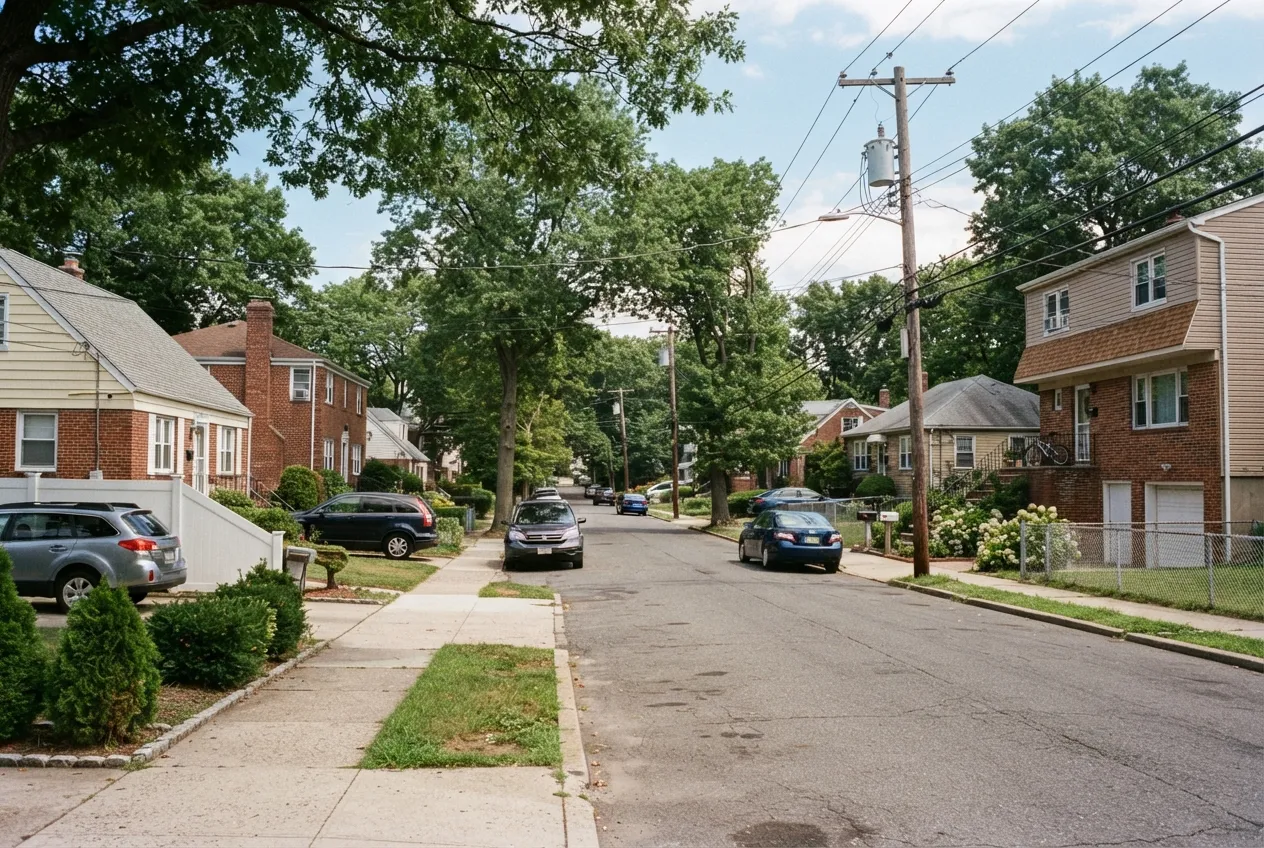
Most homes in Eltingville are detached or semi-attached houses, many with a fireplace, a masonry chimney serving an oil or gas boiler, or both. Some are two-family homes where one chimney serves the heating system for more than one household. A chimney that looks fine from the street can still have cracked flue tiles, loose mortar, a damaged cap, or debris blocking the flue. CrestFlue Chimney Service inspects chimneys throughout the 10308 ZIP code, about 4 miles from our Staten Island office. Our certified technicians check the whole system and explain what we find in plain terms, so you can decide what, if anything, needs to be done.
Why a Yearly Inspection Makes Sense for Eltingville Homes
The NFPA 211 standard calls for chimneys, fireplaces and vents to be inspected once a year. This applies even if you rarely use the fireplace, because the chimney serving your boiler or furnace runs all heating season.
Staten Island winters bring freeze-thaw cycles, wind-driven rain, and the occasional nor'easter. Over time, water gets into masonry, mortar joints loosen, and crowns crack. Birds and squirrels also find their way into uncapped flues. None of this is always visible from the ground, which is why a hands-on inspection matters.
Choosing the Right Inspection Level
Chimney professionals use three inspection levels. We will recommend the one that fits your situation and explain why before any work begins.
- Level 1: For chimneys where nothing has changed since the last inspection. We check the accessible parts of the chimney, the fireplace or appliance connection, and the flue for soundness, obstructions, and buildup.
- Level 2: When the system changes, such as a new boiler or a switch from oil to gas, or when the home is being sold. This includes a closer look at the flue interior, typically with a camera, plus accessible areas like the attic and roofline.
- Level 3: Only when a hidden hazard has to be reached by opening part of the chimney or building. This is uncommon, and we discuss it with you first.
What We Look At
Every inspection covers the parts of the system that affect safe venting and the condition of the chimney itself. Afterward, we walk you through what we saw and note anything that should be watched or repaired.
- Chimney crown, cap, and flashing where the chimney meets the roof
- Exterior brick and mortar joints for cracking, spalling, or gaps
- Flue liner condition, including cracked or missing tiles
- Creosote and soot buildup in fireplace flues
- Blockages from nests, leaves, or fallen debris
- Damper operation and firebox condition
- The connection between your boiler or furnace and the chimney
- Signs of water entry, such as staining or rust
Oil-to-Gas Conversions and Boiler Chimneys
Many Eltingville homes were originally heated with oil, and some homeowners are converting to gas. When a New York City building converts its boiler from oil to gas, the chimney has to be evaluated as part of the work. A new liner is often needed because gas exhaust produces acidic condensate that can corrode a masonry flue that was never designed for it.
If you are planning a conversion or have recently finished one, a Level 2 inspection will show whether your existing flue is suitable or whether a liner should be installed. It is best to know this early in the project rather than after the new boiler is in place.
Timing Your Inspection Around Heat Season
New York City's heat season runs from October 1 through May 31. If you own a two-family home and rent out a unit, you are required to keep that apartment heated to the city's minimum temperatures during those months. Having the boiler chimney inspected in late summer or early fall gives you time to handle any repairs before the heat has to stay on.
For homeowners who use a fireplace, an inspection before the first fire of the season is also a sensible habit. We serve Eltingville along with nearby Great Kills, Arden Heights, Rossville, Annadale, and Huguenot, so scheduling is straightforward across this part of the South Shore.
More services in Eltingville
- Chimney Sweep in EltingvilleLocal service & repairs
- Chimney Repair in EltingvilleLocal service & repairs
- Air Duct Cleaning in EltingvilleLocal service & repairs
- Chimney Liner Installation in EltingvilleLocal service & repairs