The short answer
Eltingville homes usually need a new chimney liner when the existing clay tiles are cracked or when a boiler or furnace changes, especially an oil-to-gas conversion. We inspect the flue first, then install a liner sized to your appliance so exhaust vents safely and the masonry is protected.
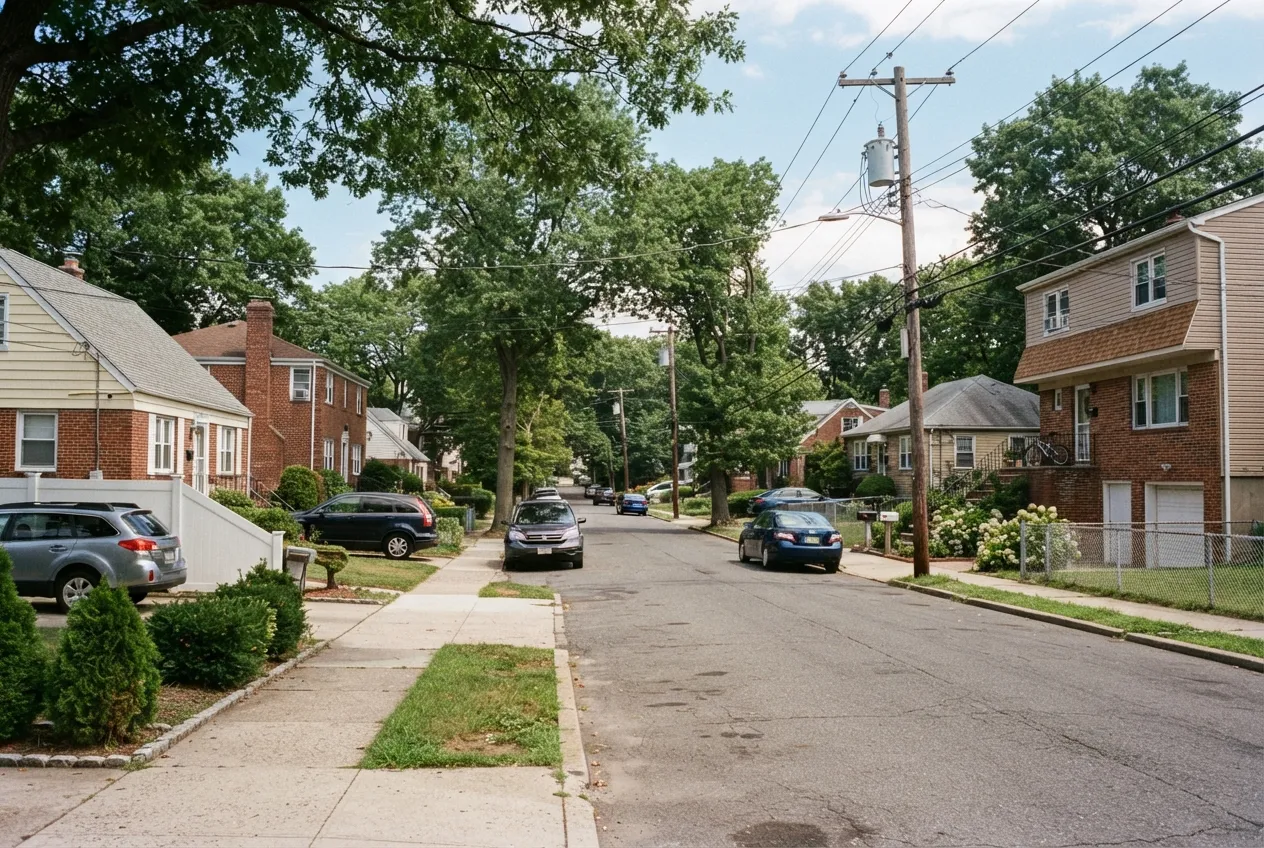
A chimney liner is the protective channel that carries smoke and exhaust from your boiler, furnace, water heater or fireplace up and out of the house. In Eltingville, many homes are detached and semi-detached houses and two-family homes with masonry chimneys that were built for older equipment or older fuel. When the original clay tiles crack, or when the appliance below changes, the liner often no longer fits the job. CrestFlue Chimney Service installs new liners for homes in Eltingville (10308), a short drive east of our Staten Island office. Our certified technicians start by inspecting the flue, then size and install a liner that matches the appliance it serves.
Why Eltingville Chimneys Often Need a New Liner
Most liner work we see in this part of Staten Island comes from one of two situations: an aging flue that has started to break down, or a heating system that has changed since the chimney was built. Clay tile liners can crack from heat, settling, moisture, or a past chimney fire. Once there are gaps, exhaust and heat can reach the brick and the wood framing around it.
The other common trigger is a fuel switch. When a home in New York City converts its boiler from oil to gas, the chimney has to be evaluated as part of the work. A new liner is often needed because gas exhaust produces acidic condensate that can corrode a masonry flue from the inside. Many Eltingville homeowners find this out mid-conversion, so it helps to plan for the chimney early.
- Cracked, shifted or missing clay flue tiles
- Oil-to-gas boiler or furnace conversion
- New, higher-efficiency appliance with different venting needs
- Flue that is too large or too small for the current appliance
- Damage found after a chimney fire or during a home sale
Inspection Comes Before Any Liner
The NFPA 211 standard calls for chimneys, fireplaces and vents to be inspected once a year, and it describes three inspection levels. A Level 2 inspection applies when the system changes, such as a new appliance or a switch of fuel, or when the home is sold. That is the level most liner projects begin with, because we need to see the full length of the flue, usually with a camera, before recommending anything.
If the inspection points to a hidden problem that can only be reached by opening part of the chimney or wall, that becomes a Level 3 inspection. We explain what we found, show you the images, and tell you plainly whether relining is the right fix or whether other repairs need to happen first.
Choosing the Right Liner for Your Appliance
A liner is not one-size-fits-all. It has to match the fuel, the appliance's exhaust temperature and its venting requirements. A flue that is too large can let exhaust cool and condense before it leaves the chimney; one that is too small can restrict draft. We size the liner to the appliance manufacturer's requirements, not to whatever happens to fit the old opening.
For many gas and oil conversions, a stainless steel liner is the practical choice because it handles acidic condensate well. In some cases, such as a wood-burning fireplace with a damaged but structurally sound flue, other approaches may make more sense. We walk you through the options that fit your chimney and what each one involves.
What Installation Looks Like
Most liner installations are done from the roof and the appliance connection, with little or no work inside your living space. We protect the area around the boiler or fireplace, lower the liner down the flue, connect it at the bottom, and seal and cap it at the top. Where the chimney calls for it, we add insulation around the liner to help keep exhaust warm and moving.
Before we leave, we check draft at the appliance and review the finished work with you. If you are coordinating with a heating contractor on a conversion, we can work around their schedule so the boiler and chimney are ready at the same time.
Plan Around Heat Season
New York City's heat season runs from October 1 through May 31. If you own a two-family home and rent out a unit, you are expected to keep that apartment heated to the city's minimums during those months. Scheduling liner work in late spring or summer gives you room to handle any surprises before the boiler is needed. We also serve nearby Great Kills, Arden Heights, Rossville, Annadale and Huguenot.
More services in Eltingville
- Chimney Sweep in EltingvilleLocal service & repairs
- Chimney Inspection in EltingvilleLocal service & repairs
- Chimney Repair in EltingvilleLocal service & repairs
- Air Duct Cleaning in EltingvilleLocal service & repairs