
The short answer
Air duct cleaning makes sense for a Great Kills home when there is substantial visible mold, signs of rodents or insects, or heavy dust and debris inside the ducts. We inspect first, show you what we find, and clean the full system only when the condition calls for it.
Your ductwork moves the same air through your home every time the furnace or central air runs, so what settles inside it matters. CrestFlue Chimney Service cleans air ducts for homeowners in Great Kills (ZIP 10308), about four miles east of our Staten Island office. We start by looking inside the system, explain plainly whether cleaning is worth it, and only then do the work. If your ducts don't need cleaning, we'll tell you so.
When Duct Cleaning Is Worth It in a Great Kills Home
Not every duct system needs cleaning on a schedule. The U.S. EPA advises cleaning air ducts when there is substantial visible mold growth, evidence of vermin, or excessive dust and debris. We use the same standard when deciding what to recommend.
The EPA also notes that duct cleaning has not been shown to prevent health problems. We won't promise that cleaning will cure allergies or change how anyone in your family feels. What it can do is remove material that shouldn't be in your ductwork.
- Mold you can see on duct surfaces, around registers, or near the air handler
- Droppings, nesting material, or dead insects inside the ducts
- Dust that puffs out of supply registers when the system starts
- Construction dust and debris left after a renovation or basement finish
- A house you just bought, where you don't know the system's history
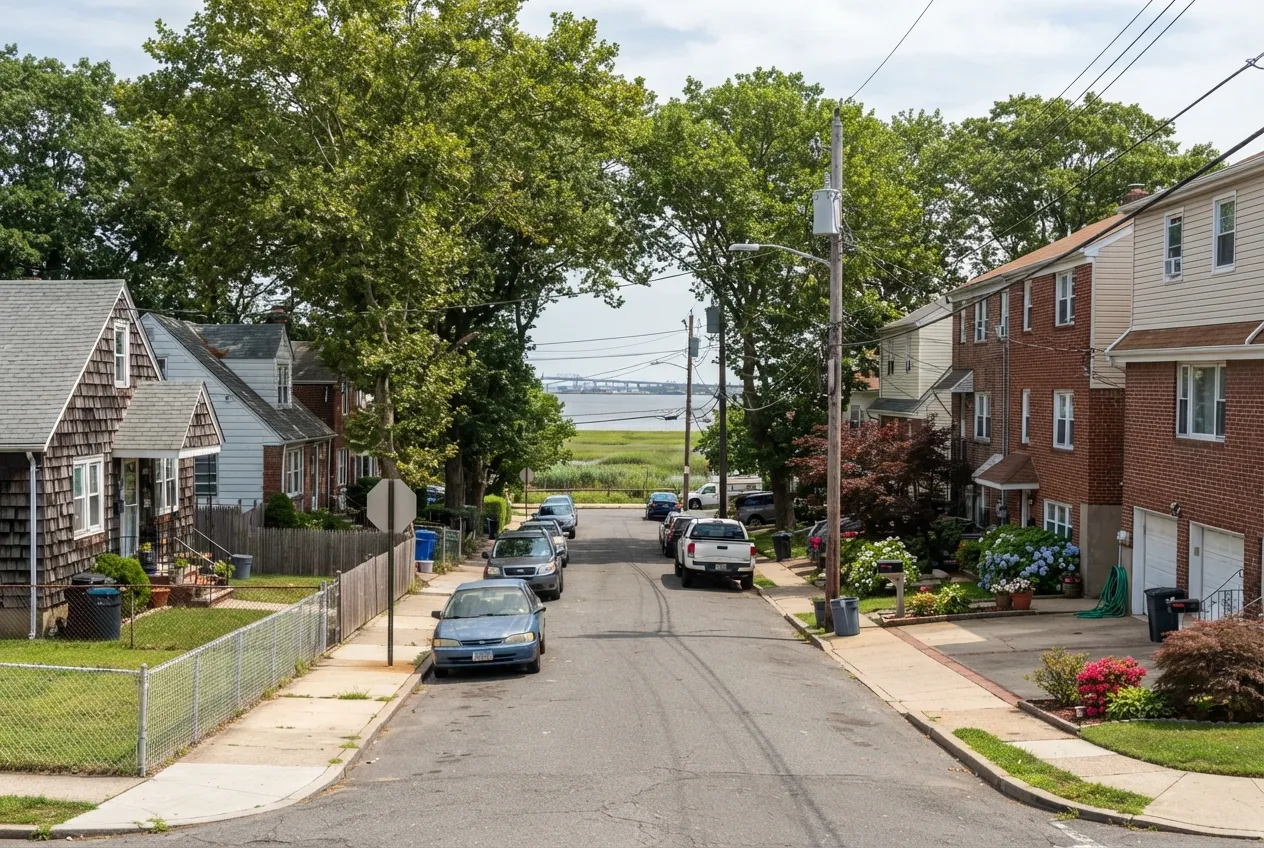
Ductwork in Great Kills Housing
Great Kills is mostly detached and semi-attached homes, with plenty of two-family houses. Many have forced-air systems with an air handler or furnace in the basement and trunk lines running along the joists, while others route ducts through attics or crawl spaces.
Those layouts shape what we look for. Basements on the South Shore can run damp in warm months, and damp ductwork near a basement air handler is where mold tends to show up first. Homes that have been expanded or had a basement finished often have ducts that were extended, boxed in behind drywall, or partly left open to sawdust during the work. In two-family houses with separate systems, we inspect and clean each one on its own, so you know what each unit needs.
What Happens During the Visit
Our certified technicians follow the same sequence on every job, so nothing gets skipped and you can see what was done.
Before we leave, we walk you through what we found and what we cleaned, including any problems outside the ducts that may need another trade, such as a leaking condensate line or a disconnected section of flex duct.
- Inspect the supply and return ducts, registers, and the area around the air handler before quoting any work
- Protect floors and furnishings near registers and the work area
- Put the system under negative pressure so loosened debris is pulled out of the house, not pushed into your rooms
- Agitate each run with brushes and air tools sized to the duct
- Clean or wash register covers and return grilles
- Check the filter slot and replace the filter if you have the correct size on hand
What We Won't Push on You
Some duct cleaning offers rely on very low advertised prices and add charges once the crew is inside. The EPA warns homeowners to research the process before responding to those deals. We would rather you understand the job before agreeing to anything.
We also don't spray sanitizers or coatings into ducts by default. The EPA advises caution with chemical treatments, so if we think one is worth considering, we'll explain what it is and why. Nothing gets applied without your clear go-ahead.
Scheduling Around the Heating Season
Most Great Kills homes lean hard on their heating systems from fall through spring. Having the ducts looked at before the furnace starts running daily gives you time to deal with mold or debris before it circulates all winter. If you own a two-family house with a tenant, keep in mind that New York City's heat season runs from October 1 through May 31. Work on the heating system during those months should be planned so the unit stays warm.
Besides Great Kills, we serve nearby Eltingville, Arden Heights, Rossville, Annadale, and Huguenot.
More services in Great Kills
- Chimney Sweep in Great KillsLocal service & repairs
- Chimney Inspection in Great KillsLocal service & repairs
- Chimney Repair in Great KillsLocal service & repairs
- Chimney Liner Installation in Great KillsLocal service & repairs