The short answer
Great Kills homeowners should have their chimney inspected once a year, as the NFPA 211 standard recommends. A deeper inspection is called for when you sell the house, change fuel or appliances, or suspect hidden damage. Boiler conversions from oil to gas often mean the flue needs a new liner.
Most chimneys in Great Kills do two jobs. They vent a fireplace or wood stove that gets used on cold weekends, and they often carry exhaust from the gas or oil boiler that heats the house all winter. Because the heating flue runs whether or not anyone lights a fire, it can wear out without obvious signs. CrestFlue Chimney Service inspects chimneys throughout Great Kills and the 10308 ZIP code, about 4 miles east of our Staten Island office. Our certified technicians explain what they find in plain terms so you can decide what, if anything, needs to happen next.
Why a Yearly Inspection Makes Sense in Great Kills
The NFPA 211 standard calls for chimneys, fireplaces and vents to be inspected once a year. That applies whether your chimney serves a fireplace you use often, one you rarely light, or only a boiler or water heater in the basement.
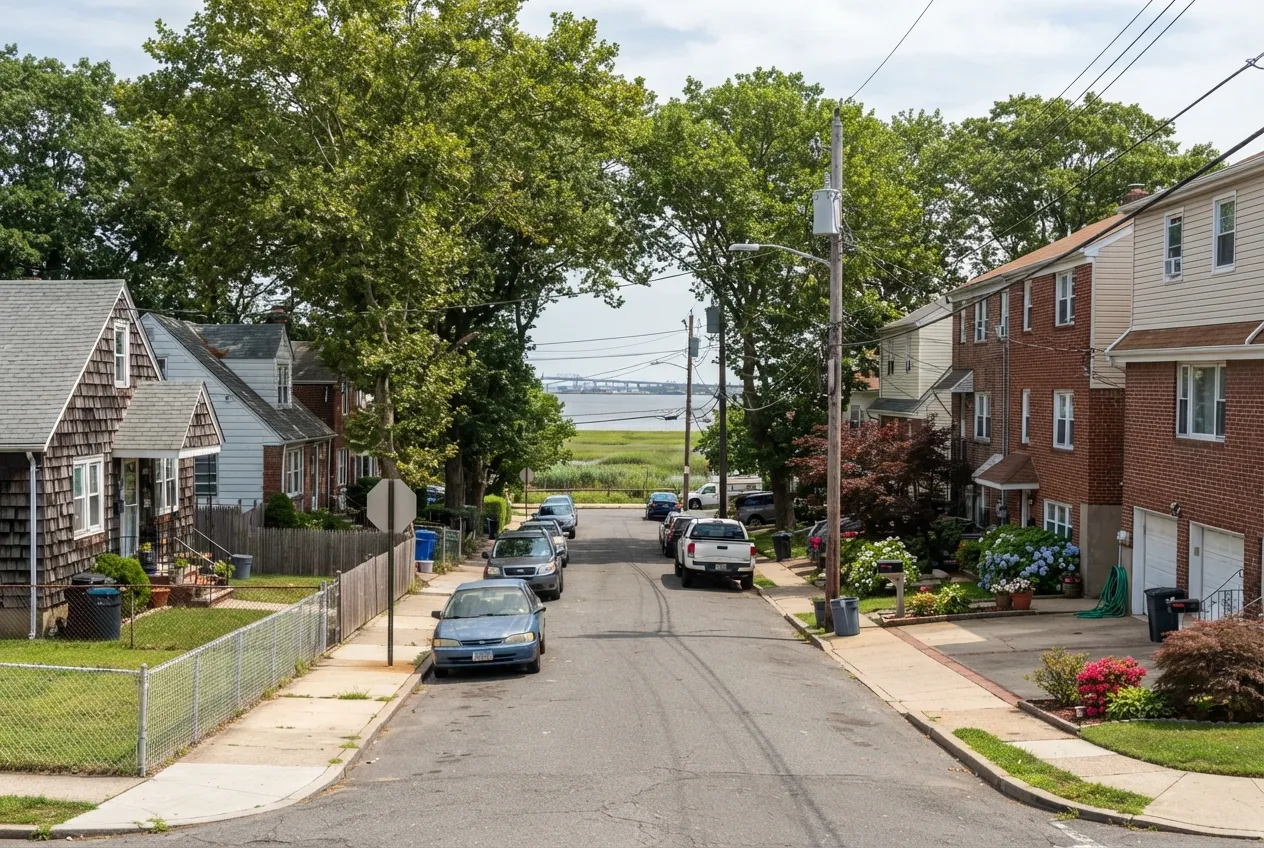
Great Kills has a mix of housing: detached single-family homes, semi-detached and attached houses, and two-family homes. Some have traditional brick chimneys with clay tile flues. Others have factory-built fireplaces with metal flues inside a framed chase. Each type wears differently. Masonry suffers from freeze-thaw cycles and moisture, while metal systems can loosen, rust or lose clearance to framing. A yearly look catches these changes while they are still small.
Choosing the Right Inspection Level
Chimney professionals use three inspection levels. We will recommend the one that fits your situation and explain why.
- Level 1: For a chimney that is used the same way as last year, with no changes to the appliance, fuel or structure. We examine the readily accessible parts of the chimney, flue and connections.
- Level 2: Needed when the system changes, such as a new boiler, a new insert or stove, or a switch of fuel. It is also the right choice when a home is being sold. This level includes a camera inspection of the flue's interior.
- Level 3: Used when a hidden hazard has to be reached by opening part of the chimney or the building, such as a wall or chase. It is only recommended when a Level 1 or Level 2 inspection points to a concern that cannot be checked any other way.
Oil-to-Gas Conversions and Flue Liners
Many Staten Island homes and buildings have moved boilers from oil to gas. In New York City, the chimney has to be evaluated as part of that work. Gas exhaust produces acidic condensate, which can corrode a masonry flue that was built for oil. That is why a new liner is often needed.
If you are planning a conversion, or you converted in the past and never had the chimney looked at, a Level 2 inspection shows the condition of the flue and whether it is suited to the appliance it now serves. Signs worth mentioning to us include white staining on exterior brick, flaking tile or mortar at the base of the chimney, and water near the boiler connection.
What We Check During an Inspection
Every inspection is written up so you have a clear record of what we saw.
- Chimney crown, cap and flashing for cracks, gaps and water entry
- Exterior brick and mortar joints
- Flue liner condition, including cracks, gaps and corrosion
- Creosote and soot buildup in fireplace and stove flues
- Smoke chamber, damper and firebox
- Boiler and water heater connector pipes and their seal at the chimney
- Blockages from nests, debris or fallen masonry
- Clearances between the chimney and nearby wood framing where accessible
Timing Your Inspection
The best time to book is late summer or early fall, before you need steady heat. If you own a two-family home or rent out an apartment, keep in mind that New York City's heat season runs from October 1 through May 31. During that period building owners must keep apartments heated to the city's minimum temperatures, so finding a flue problem in midwinter can be disruptive. An inspection ahead of the season gives you time to plan any repairs.
Along with Great Kills, we inspect chimneys in nearby Eltingville, Arden Heights, Rossville, Annadale and Huguenot.
More services in Great Kills
- Chimney Sweep in Great KillsLocal service & repairs
- Chimney Repair in Great KillsLocal service & repairs
- Air Duct Cleaning in Great KillsLocal service & repairs
- Chimney Liner Installation in Great KillsLocal service & repairs