
The short answer
Chimneys, fireplaces and vents in New Springville should be inspected once a year, as the NFPA 211 standard calls for. A more detailed inspection makes sense when you buy or sell a home, add or replace an appliance, or convert a boiler from oil to gas.
If you heat with a fireplace, a wood stove, or an oil or gas boiler that vents through a chimney, a yearly inspection is the simplest way to know the system is safe before you rely on it. CrestFlue Chimney Service inspects chimneys for homeowners across New Springville in ZIP codes 10311 and 10314. The neighborhood is about five miles from our Staten Island office, so scheduling a visit is easy. Our certified technicians check the parts you can see and the parts you can't, explain what they find in plain terms, and tell you which issues need attention now and which can wait.
What a Chimney Inspection Covers
A chimney inspection looks at the whole venting system, not just the opening above the fireplace. We check how the chimney is built, what condition it's in, and whether it is clear enough to carry smoke and exhaust safely out of the house.
On a typical visit we look at:
- The firebox, damper and smoke chamber on wood-burning fireplaces
- The flue liner, looking for cracks, gaps, missing sections or heavy buildup
- Creosote and soot deposits that could feed a chimney fire
- The connector pipe between a boiler, furnace or water heater and the chimney
- The crown, cap, flashing and exterior masonry, for signs that water is getting in
- Blockages such as nesting material, leaves or fallen debris
Choosing the Right Inspection Level
Chimney professionals use three inspection levels, and the right one depends on what has happened since your last check.
A Level 1 inspection fits most yearly visits, when nothing about the system has changed and you plan to keep using it the same way. We examine the readily accessible parts of the chimney and appliance.
A Level 2 inspection is the right choice when the system changes. Adding a new appliance or switching fuels both count. It also applies when a home is sold. Because many New Springville houses change hands as families move within Staten Island or from elsewhere in the city, buyers and sellers often ask for this level. It is more thorough and usually includes a camera inspection of the flue's interior.
A Level 3 inspection is needed only when there is reason to suspect a hidden hazard that can't be reached without opening part of the chimney or the building. We recommend it only when a Level 1 or Level 2 inspection points to a concern that calls for it.
Chimneys in New Springville Homes
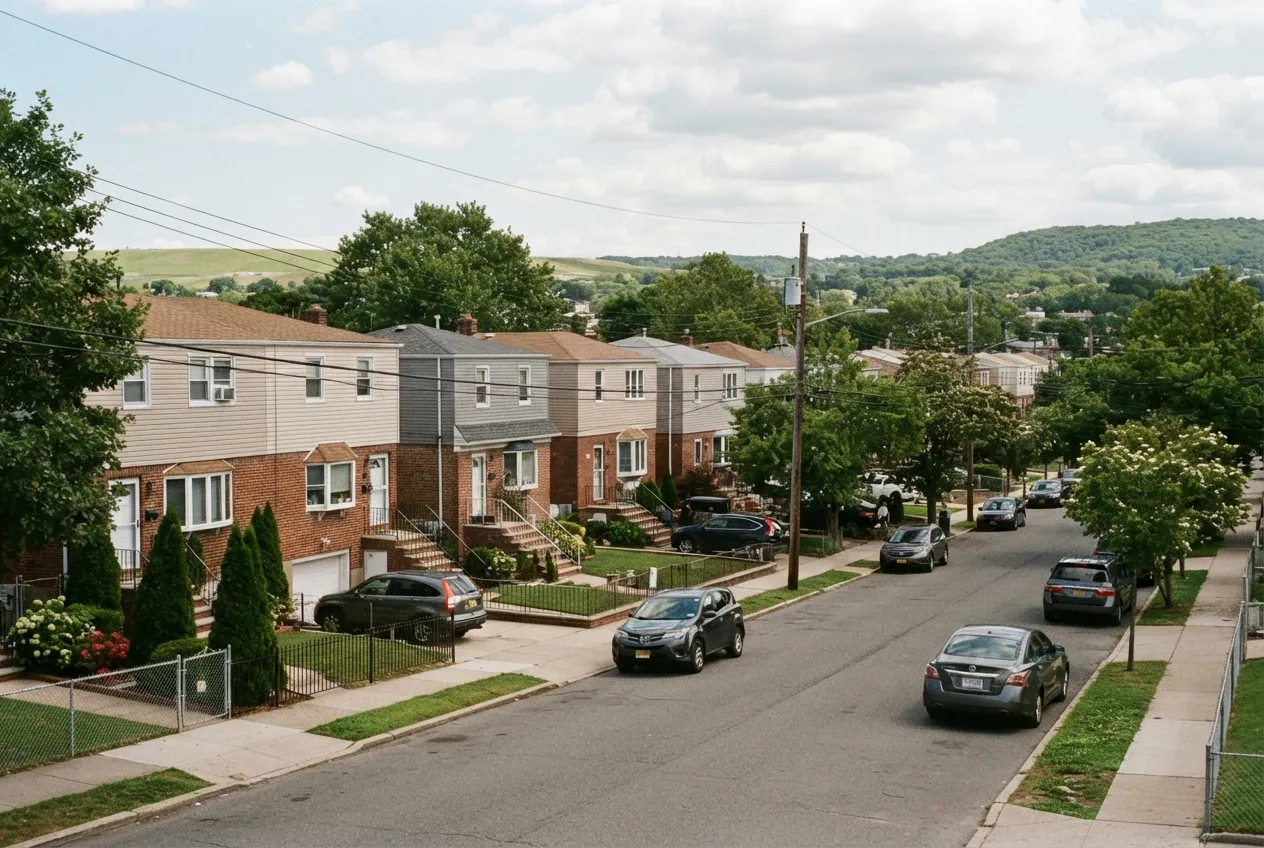
New Springville is mostly residential. Its streets hold detached single-family houses, two-family homes, attached and semi-attached townhouses, and some low-rise apartment and condo buildings. That mix means we see many kinds of chimneys: masonry fireplaces in detached homes, shared or stacked flues in attached houses, and chimneys that serve only a boiler or water heater.
In attached and two-family homes, one chimney may vent appliances from more than one unit, or neighboring flues may sit close together. We note how your flue connects to your equipment and point out anything that affects more than your own living space, so you can talk it over with a neighbor or co-owner if needed.
Many homes that don't use a fireplace still have a chimney working all winter, because the heating system vents through it. Those flues need inspection too, even if the fireplace has been closed off for years.
Oil-to-Gas Conversions and Flue Liners
Some Staten Island homeowners and building owners switch their boilers from oil to gas. When a New York City building converts from oil to gas, the chimney has to be evaluated as part of the work. A new liner is often needed, because gas exhaust produces acidic condensate that can corrode a masonry flue.
If you are planning a conversion or have recently finished one, a Level 2 inspection shows whether your existing flue is suitable or needs a liner. Doing it before the new equipment is running helps you avoid surprises later in the heating season.
When to Schedule Your Inspection
New York City's heat season runs from October 1 through May 31. That's when boilers and furnaces work hardest and fireplaces see the most use. The best time to inspect is late summer or early fall, before you need heat. That leaves room for any cleaning or repairs without leaving your home cold.
We also serve nearby neighborhoods including Willowbrook, Arden Heights, Rossville, Great Kills and Eltingville. If you've noticed smoke coming back into a room, a strong odor from the fireplace, water stains near the chimney, or crumbling masonry on the outside, don't wait for the usual yearly visit. Contact us to schedule an inspection.
More services in New Springville
- Chimney Sweep in New SpringvilleLocal service & repairs
- Chimney Repair in New SpringvilleLocal service & repairs
- Air Duct Cleaning in New SpringvilleLocal service & repairs
- Chimney Liner Installation in New SpringvilleLocal service & repairs