The short answer
If your chimney liner is cracked, corroded, or wrong for the appliance it serves, it should be relined before the next heating season. In New Springville, the most common reason is a switch from oil to gas heat, which often calls for a new liner. Our certified technicians inspect the flue first, then install a liner sized and rated for your appliance.
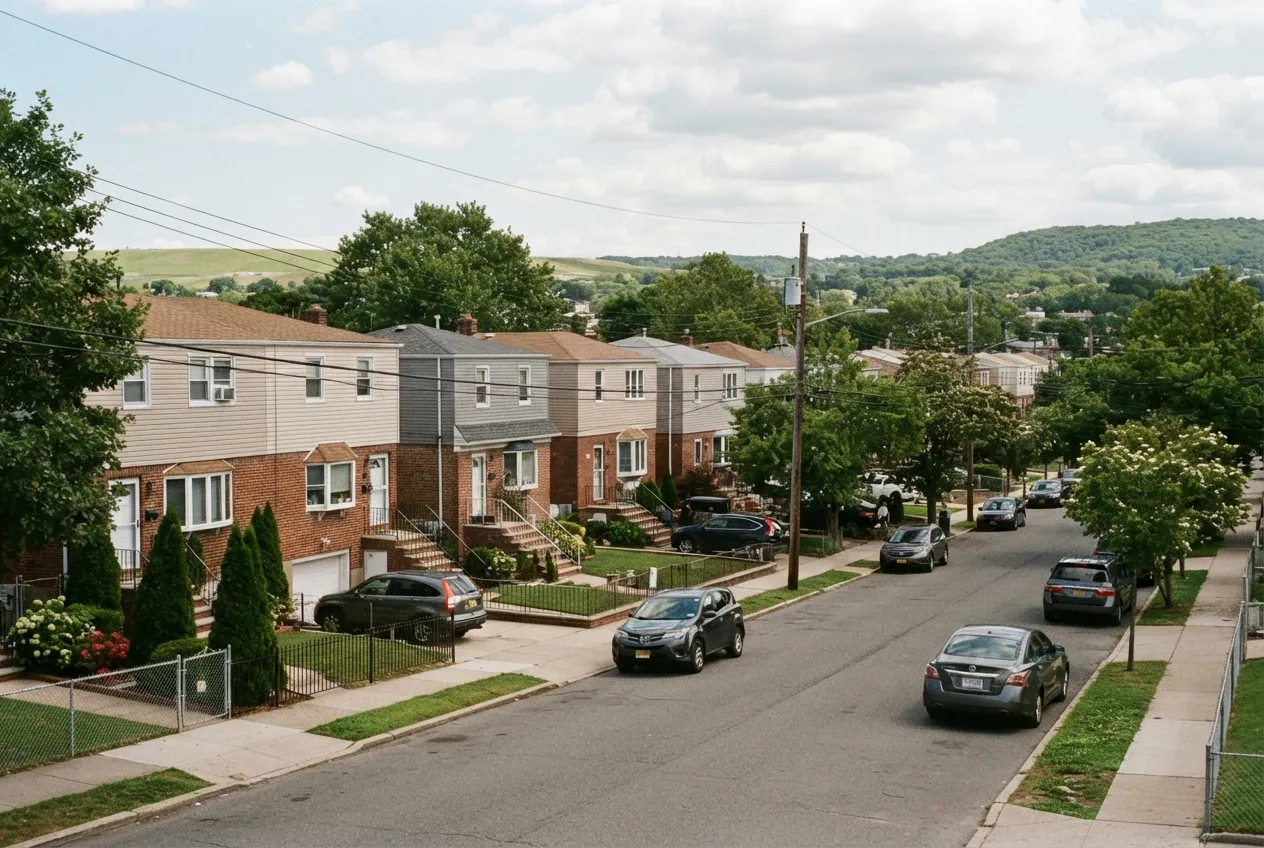
A chimney liner is the protective channel inside your chimney that carries smoke and exhaust gases out of the house. When it cracks, corrodes, or no longer matches the appliance it serves, heat and combustion byproducts can reach the masonry and the framing around it. CrestFlue Chimney Service installs and replaces chimney liners for homeowners in New Springville, in the 10311 and 10314 ZIP codes. Our office is about 5 miles southwest, so the neighborhood is a short drive for us. Homes here range from detached houses to semi-attached homes and townhouse-style buildings. Many have masonry chimneys serving a gas boiler, a water heater, or a wood-burning fireplace. Each of those appliances puts different demands on a liner, and getting the match right matters more than anything else on this job.
Why New Springville homes need new liners
Most liner work we see in the neighborhood falls into a few situations. The most common is a heating conversion. When a New York City building converts its boiler from oil to gas, the chimney has to be evaluated as part of the work. A new liner is often needed because gas exhaust produces acidic condensate. That condensate can corrode a masonry flue that was built for oil.
Other homes need a liner because an inspection found damage. Typical problems include cracked clay tiles, missing mortar joints, or a flue that has started to shed material into the base of the chimney. Some homeowners replace an older boiler or water heater with a high-efficiency unit and find the existing flue is now the wrong size. A flue that is too large can let exhaust cool and condense before it leaves the chimney. A flue that is too small can restrict draft.
- Converting a boiler or furnace from oil to gas
- Cracked, broken, or deteriorated clay flue tiles
- Replacing a heating appliance with one that needs a different flue size
- Signs of exhaust or moisture problems, such as staining, spalling brick, or flaking material at the cleanout
- Reopening a fireplace that has not been used in years
Choosing the right liner for your appliance
There is no single liner that suits every chimney. The right choice depends on what is burning, how hot the exhaust runs, and the size and shape of the existing flue.
Stainless steel liners are the most common choice for relining. They work for gas, oil, and wood when the right grade is used, and they can be installed down an existing chimney without major masonry work. For wood-burning fireplaces and stoves, the liner and its insulation have to handle much higher temperatures than a gas appliance produces. We size the liner to the appliance manufacturer's venting requirements. We don't size it to whatever fits the opening.
How a liner installation works
We start with an inspection of the chimney so we know what we are lining. The NFPA 211 standard describes three inspection levels. A Level 2 inspection applies when the system changes, for example when a new appliance is installed or the fuel is switched. That makes it the usual starting point for liner work. If a hidden hazard has to be reached by opening part of the chimney or the building, a Level 3 inspection may be needed.
After the inspection, we explain what we found and recommend a liner type and size. A typical installation then follows these steps.
- Cleaning the existing flue and removing debris or loose tile
- Measuring the flue and confirming the appliance's venting requirements
- Lowering the liner from the top of the chimney and connecting it to the appliance
- Adding insulation where the liner type and application call for it
- Sealing the top with a cap and checking draft once the appliance is running
Timing your project around heat season
New York City's heat season runs from October 1 through May 31. During those months, building owners must keep apartments heated to the city's minimum temperatures. If you rent out part of your home, or if you simply rely on your boiler all winter, plan liner work before the cold arrives. A heating conversion is the best time to handle the chimney, because the boiler is already being taken offline. Scheduling the liner alongside the conversion avoids a second shutdown later.
After the liner is in
A new liner still needs regular attention. The NFPA 211 standard calls for chimneys, fireplaces, and vents to be inspected once a year. A Level 1 inspection is appropriate when nothing about the system has changed. Yearly checks catch problems early, such as a loose connector, a damaged cap, or debris at the base, before they affect how the appliance vents.
We also serve homeowners in nearby Willowbrook, Arden Heights, Rossville, Great Kills, and Eltingville. If you are planning a conversion or have been told your flue is damaged, we can inspect it and explain your options.
More services in New Springville
- Chimney Sweep in New SpringvilleLocal service & repairs
- Chimney Inspection in New SpringvilleLocal service & repairs
- Chimney Repair in New SpringvilleLocal service & repairs
- Air Duct Cleaning in New SpringvilleLocal service & repairs