
The short answer
Chimney repair in New Springville usually means fixing water entry points like crowns, flashing, and mortar joints, or repairing a damaged flue liner. CrestFlue's certified technicians inspect first so the repair matches the real cause, then complete the work before or between heating seasons.
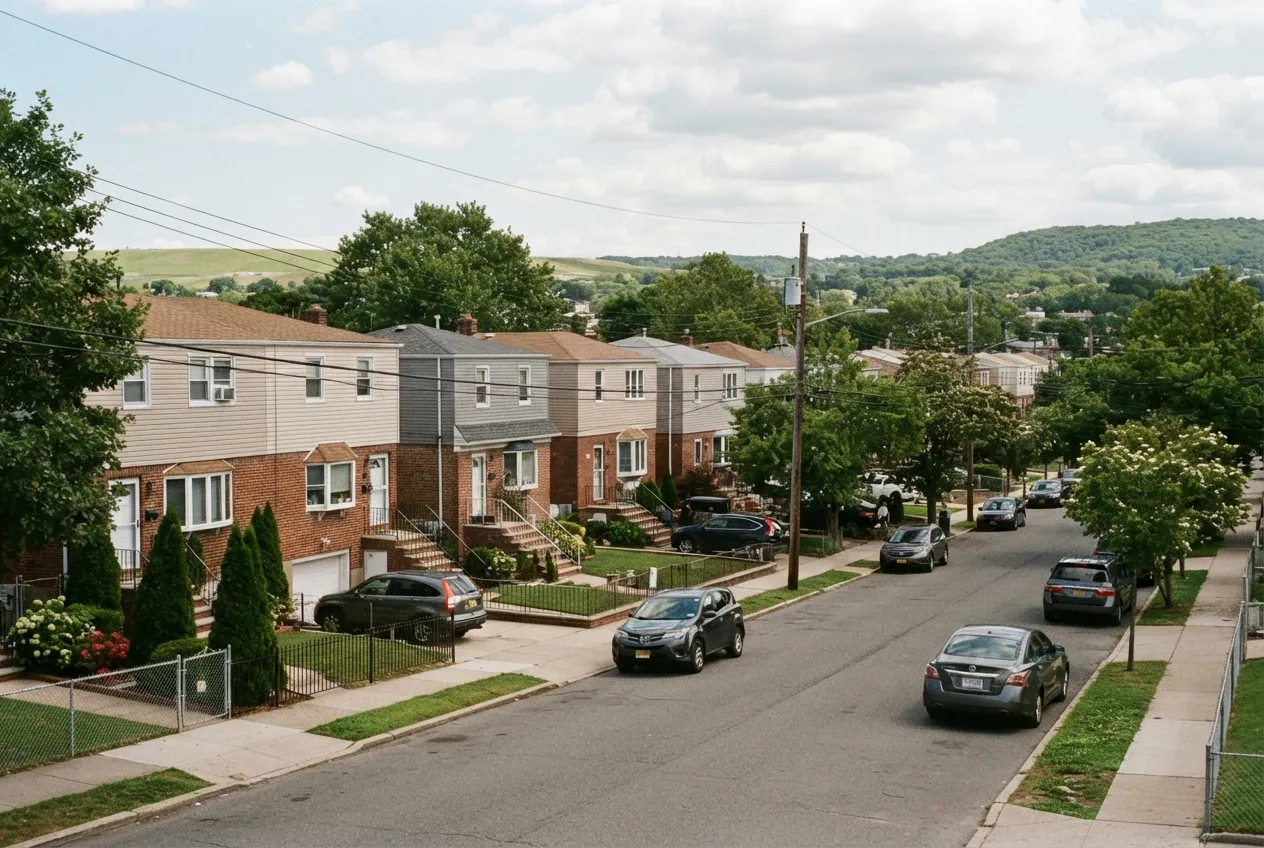
Most chimney damage in New Springville starts small: a hairline crack in the crown, a gap where the flashing meets the roof, or mortar that crumbles when you brush it. Left alone through a few winters of freezing and thawing, those small problems let water into the masonry. That can loosen bricks, stain ceilings, and damage the flue that carries smoke and exhaust out of your home. CrestFlue Chimney Service repairs chimneys on detached, semi-detached, and attached homes across New Springville in ZIP codes 10311 and 10314. The neighborhood is about five miles from our Staten Island office. Our certified technicians find the actual cause of the problem first, then fix it so the chimney sheds water and vents safely again.
Common Chimney Problems in New Springville Homes
Many New Springville homes are detached or semi-attached houses with brick or block chimneys that serve a fireplace, a boiler, a furnace, or a water heater. Attached townhouses often share rooflines, so a leak at one chimney can show up as staining in an unexpected spot. Whatever the house type, the chimney sits fully exposed to wind, rain, and Staten Island winters, and the same weak points tend to fail.
These are the repairs we're called for most often:
- Cracked or crumbling chimney crowns that let water run straight into the masonry
- Loose, rusted, or poorly sealed flashing where the chimney meets the roof
- Eroded mortar joints that need repointing
- Spalling bricks, where the face flakes off after water freezes inside
- Missing or damaged chimney caps that let in rain, debris, and animals
- Cracked or deteriorated clay flue tiles and corroded metal liners
- Damaged fireplace dampers and firebox masonry
We Find the Cause Before We Repair
A water stain on your ceiling doesn't tell you whether the crown, the flashing, the cap, or the brick itself is at fault. Patching the wrong spot wastes your money and leaves the leak in place. That's why every repair starts with an inspection.
The NFPA 211 standard calls for chimneys, fireplaces, and vents to be inspected once a year. It describes three levels. A Level 1 inspection fits a system that hasn't changed. A Level 2 inspection applies when something changes, such as a new appliance or a switch of fuel, or when the home is being sold. A Level 3 inspection is needed when a suspected hazard is hidden and can only be reached by opening part of the chimney or the building. We'll explain which level your situation calls for and show you what we find before recommending any work.
Liner Repair and Oil-to-Gas Conversions
The flue liner is the part of the chimney you never see, and it does the most important job: it keeps heat and exhaust gases away from the surrounding masonry and wood framing. Cracked tiles or gaps in the liner can let exhaust leak where it shouldn't.
This matters for New Springville homeowners switching from oil heat to gas. In New York City, the chimney has to be evaluated as part of a boiler conversion from oil to gas. A new liner is often needed, because gas exhaust produces acidic condensate that can corrode an unlined or tile-lined masonry flue over time. If you're planning a conversion, bring us in early. We'll evaluate the chimney and size a liner that matches the new appliance, so the venting is ready when the boiler is.
Timing Your Repair Around the Heating Season
New York City's heat season runs from October 1 through May 31. Most homes depend on a chimney or vent for the boiler or furnace during those months, and many owners also want their fireplace ready by late fall. Repairs that involve masonry, crowns, or liners are easiest to schedule in late spring and summer, before demand picks up.
If you spot a problem mid-winter, don't wait for spring. Signs like smoke or fumes backing up into the house, falling debris in the firebox, or active leaks around the chimney should be looked at right away. We'll tell you whether the system is safe to keep using until repairs are done.
What to Expect From a CrestFlue Repair Visit
After the inspection, you'll get a clear explanation of what's damaged, what's causing it, and what repair we recommend. We protect the area around your fireplace and roof, complete the work, and walk you through what was done. We also serve nearby neighborhoods, including Willowbrook, Arden Heights, Rossville, Great Kills, and Eltingville.
More services in New Springville
- Chimney Sweep in New SpringvilleLocal service & repairs
- Chimney Inspection in New SpringvilleLocal service & repairs
- Air Duct Cleaning in New SpringvilleLocal service & repairs
- Chimney Liner Installation in New SpringvilleLocal service & repairs