The short answer
The NFPA 211 standard calls for chimneys, fireplaces and vents to be inspected once a year, and most Willowbrook homes are due for a routine Level 1 inspection. If you have replaced a heating appliance, switched fuels, or are buying or selling a home, you will likely need a more detailed Level 2 inspection instead.
A chimney can look fine from the driveway and still have a cracked flue tile, a crumbling crown or a nest blocking the draft. In Willowbrook, most chimneys serve more than a fireplace. They also vent the boiler, furnace or water heater that keeps the house warm all winter. CrestFlue Chimney Service sends certified technicians from our Staten Island office, about 5 miles southwest of the neighborhood, to inspect chimneys in ZIP codes 10311 and 10314. You get a clear picture of what is working, what needs attention, and what can wait.
Which Inspection Level Your Willowbrook Home Needs
The NFPA 211 standard calls for chimneys, fireplaces and vents to be inspected once a year. That applies whether you burn wood every weekend or only run a gas boiler. Chimney professionals use three inspection levels. Choosing the right one keeps you from paying for more work than you need, and it also makes sure a real problem doesn't get missed.
When you call, we'll ask what has changed since the last inspection. Your answers point us to the right level:
- Level 1: Nothing about the system has changed, and you want the yearly check. We examine the readily accessible parts of the chimney, firebox, damper and connections, and we look for blockages and buildup.
- Level 2: The system has changed. Common examples are a new boiler, a switch from oil to gas, a relined flue, or a home sale. This level includes a camera inspection of the flue's interior and a look at accessible attics, crawl spaces and basements.
- Level 3: A hidden hazard is suspected that can only be reached by opening part of the chimney or the building. We recommend this only when a Level 2 inspection turns up evidence that calls for it.
What We Check on Willowbrook Chimneys
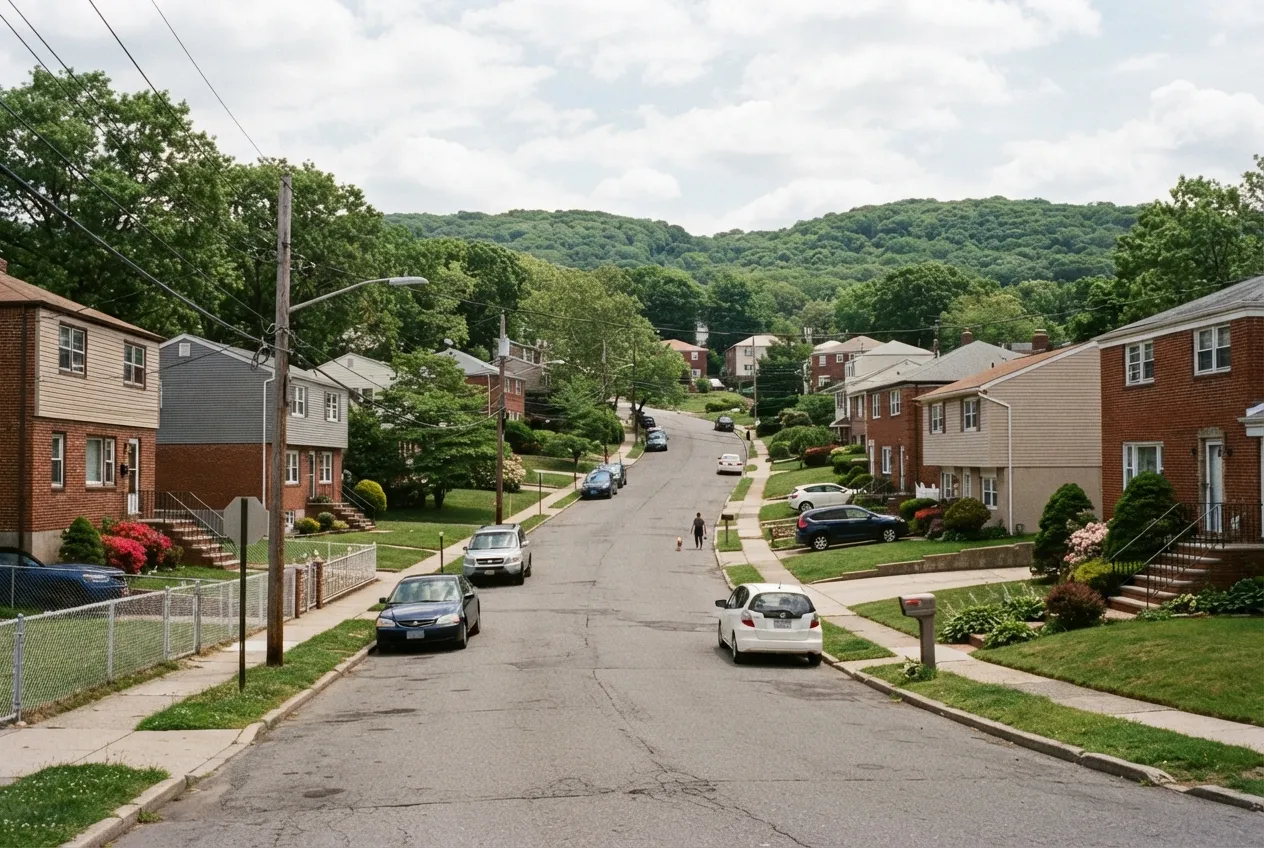
Willowbrook is mostly detached and semi-detached houses, two-family homes and attached townhouses. Many have a masonry chimney that serves both a fireplace and a basement heating appliance. Others have a factory-built fireplace with a metal flue, or a sidewall vent for a newer high-efficiency unit. We inspect what your home actually has rather than following a one-size checklist.
Outside, we look at the crown, cap, flashing and brickwork. Cracked crowns and missing caps let rain soak into the masonry, and over Staten Island's freeze-thaw winters that water slowly breaks down the mortar joints. Inside, we check the flue liner for cracks, gaps and creosote, the smoke chamber and damper, and the connector pipe from the boiler or furnace. In a two-family house where both units share one chimney, we confirm that each appliance is venting properly and that the flues are not interfering with each other.
Switching From Oil to Gas
Plenty of Willowbrook homes still heat with oil, and many owners are weighing a move to gas. When a New York City building converts its boiler from oil to gas, the chimney has to be evaluated as part of the work. A new liner is often needed. Gas exhaust produces acidic condensate, and over time that condensate can corrode a masonry flue that handled oil exhaust without trouble.
A conversion counts as a change to the system, so it calls for a Level 2 inspection. We document the flue's condition and size and tell you whether a liner is likely needed. That gives you and your heating contractor what you need to plan the conversion before the new boiler goes in.
Timing Your Inspection Around Heat Season
New York City's heat season runs from October 1 through May 31. For two-family homes with a tenant, that means the heating system has to keep working for the whole stretch. It is a poor time to find out the chimney can't vent the boiler safely.
We suggest scheduling your inspection in late spring or summer. That leaves time to plan any repairs, order a liner if one is needed, and have everything ready before you turn the heat back on. If you notice smoke backing into the room, a strong odor from the fireplace, water stains near the chimney, or chunks of tile or masonry in the firebox, call us without waiting for the off-season.
After the Inspection
When we finish, the technician walks you through what was found, using photos or camera footage where it helps. You get a written summary that sorts issues into safety concerns, items to watch, and routine maintenance. We will not push repairs you don't need. Sometimes the result is simply that the chimney is in good shape and should be checked again next year.
Along with Willowbrook, we inspect chimneys in nearby New Springville, Arden Heights, Rossville, Great Kills and Eltingville.
More services in Willowbrook
- Chimney Sweep in WillowbrookLocal service & repairs
- Chimney Repair in WillowbrookLocal service & repairs
- Air Duct Cleaning in WillowbrookLocal service & repairs
- Chimney Liner Installation in WillowbrookLocal service & repairs