
The short answer
A chimney sweep removes creosote, soot and blockages from your flue so smoke and exhaust leave the house the way they should. For Willowbrook homes, the best time to book is late summer or early fall, before the heating months, and the NFPA 211 standard calls for an inspection once a year.
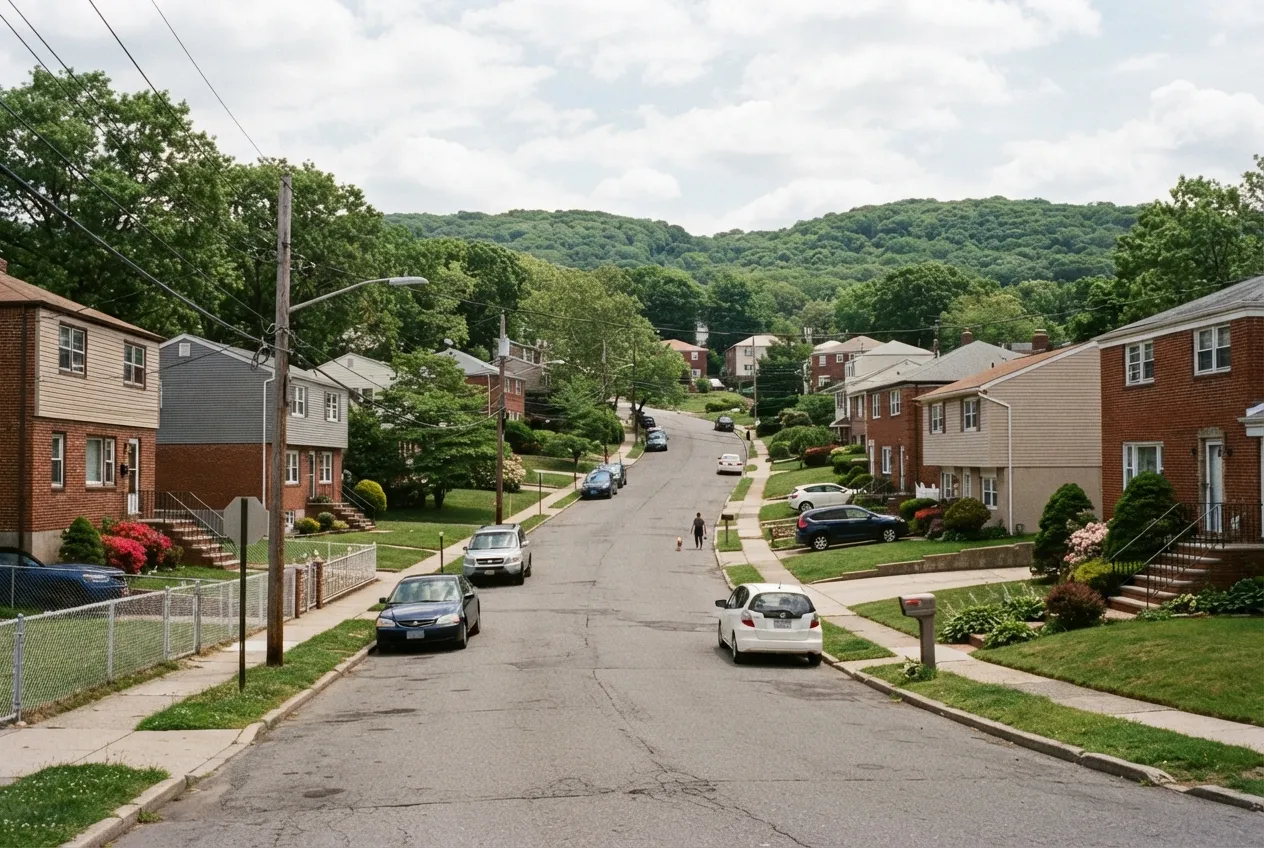
Many Willowbrook homes, including detached houses, semi-attached homes and townhouses, have a wood-burning fireplace, a wood or pellet stove, or a chimney that vents an oil or gas boiler. Every one of those flues collects soot, creosote and debris over time. CrestFlue Chimney Service sends certified technicians to Willowbrook, about five miles northeast of our office, to sweep chimneys throughout the 10311 and 10314 ZIP codes. This page explains what a sweep involves in a local home, when to schedule one, and what we check while we're at the hearth and on the roof.
What a Chimney Sweep Covers in a Willowbrook Home
A sweep is more than running a brush up the flue. We start by looking at the firebox, damper and smoke chamber. Then we clean the flue from the bottom, the top, or both, depending on how the chimney is built and how safely the roof can be reached. Debris is collected at the hearth, and we use drop cloths and a vacuum system to keep soot out of your living space.
Because we're already inside the chimney, we also note anything that needs attention, such as cracked flue tiles, a damaged crown or a missing cap.
- Removal of creosote, soot and loose debris from the flue
- Clearing of nests, leaves and other blockages
- Cleaning of the smoke shelf, damper area and firebox
- Visual check of the cap, crown and accessible masonry
- A plain-language summary of what we found and any recommended next steps
Fireplaces, Stoves and Boiler Flues Need Different Care
An open fireplace that sees a few fires a winter builds up deposits differently than a wood stove that runs most evenings. Stoves often burn cooler and slower, which can produce heavier, glazed creosote that is harder to remove and more dangerous if it ignites. We adjust our tools and methods to the appliance and the type of buildup we find.
Many Willowbrook houses also have a chimney that serves only the heating system. Those flues don't collect wood creosote, but they can gather soot, scale and debris, and fallen material can partly block the exhaust path. A boiler flue deserves the same attention as a fireplace flue, even if you never light a fire.
Timing Your Sweep Around the Heating Season
New York City's heat season runs from October 1 through May 31. If you own a multi-family house and rent out units, you're required to keep apartments heated to the city's minimum temperatures during those months, so a chimney problem in January becomes an urgent problem. Booking a sweep in late summer or early fall gives you time to handle any repairs before the boiler and fireplace are working hardest.
The NFPA 211 standard calls for chimneys, fireplaces and vents to be inspected once a year. A yearly visit is a practical way to pair that inspection with a sweep whenever buildup calls for one.
When a Sweep Turns Into an Inspection
Chimney professionals use three inspection levels. Level 1 fits when nothing about the system has changed. Level 2 applies when something does change, such as a new appliance or a switch of fuel, or when the home is being sold. Level 3 is used when a hidden hazard has to be reached by opening part of the chimney or the building.
Fuel changes come up often on Staten Island. When a New York City building converts its boiler from oil to gas, the chimney has to be evaluated as part of the work. A new liner is often needed, because gas exhaust produces acidic condensate that can corrode a masonry flue. If you're planning a conversion, tell us before the sweep so we can look at the flue with that in mind.
Getting Ready for Your Appointment
A little preparation helps the visit go smoothly and keeps the work area clean.
- Let the fireplace or stove cool for at least a day before we arrive
- Clear furniture and decorations a few feet back from the hearth
- Note any smoke smells, drafts or odd sounds you've noticed
- Let us know if you've heard animals in the chimney
- Tell us about any recent changes to your boiler, stove or fuel type
More services in Willowbrook
- Chimney Inspection in WillowbrookLocal service & repairs
- Chimney Repair in WillowbrookLocal service & repairs
- Air Duct Cleaning in WillowbrookLocal service & repairs
- Chimney Liner Installation in WillowbrookLocal service & repairs