
The short answer
Chimney repair in Willowbrook usually means fixing cracked crowns, worn mortar and brick, leaking flashing, missing caps, or damaged flue liners. CrestFlue inspects the chimney to find the cause, explains the findings in plain terms, and makes the repair, ideally before the heating season starts.
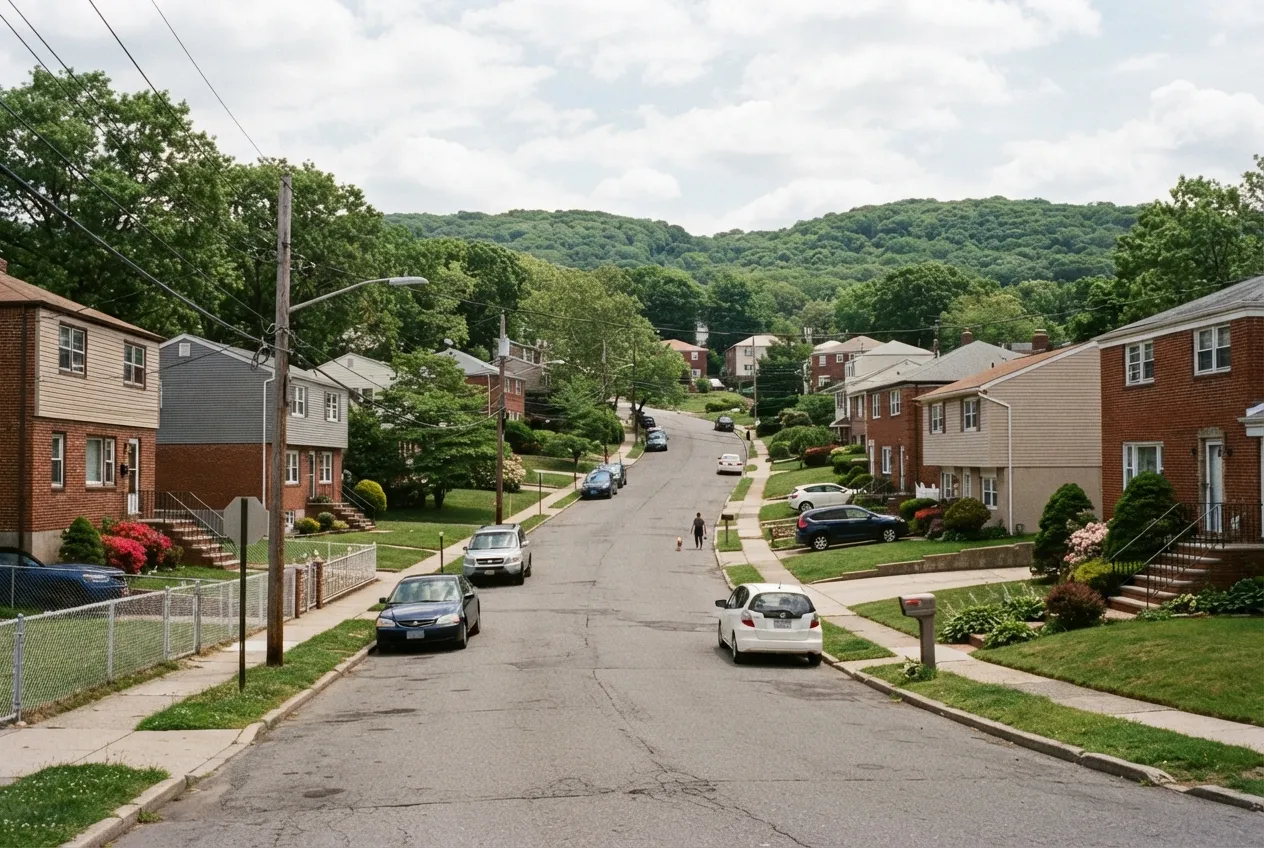
Most Willowbrook homes are detached or semi-attached houses, with some attached townhouses mixed in. Many have a masonry chimney serving a fireplace, a boiler or furnace, or both. Those chimneys sit fully exposed to Staten Island weather year after year, and the damage usually starts small: a hairline crack in the crown, a few soft mortar joints, a stain on the ceiling near the chimney after a heavy rain. CrestFlue Chimney Service repairs chimneys for homeowners in Willowbrook (ZIP codes 10311 and 10314), about 5 miles northeast of our Staten Island office. Our certified technicians find the actual source of the problem first, explain what they see, and then repair what needs repairing.
Chimney Problems We See in Willowbrook Homes
A chimney is the tallest, most exposed part of most houses. Rain, wind and repeated freezing and thawing work on the masonry from the top down. When water gets into brick, mortar or the crown and then freezes, it expands and pushes the material apart. Over several winters, that turns small gaps into loose bricks and leaks.
These are the repairs Willowbrook homeowners ask us about most often:
- Crown repair or rebuilding: the concrete cap on top of the chimney cracks and lets water straight into the masonry below.
- Repointing: replacing crumbling or missing mortar joints before bricks loosen.
- Brick replacement: swapping out spalled bricks, meaning bricks whose faces are flaking or popping off.
- Flashing repair: resealing the metal where the chimney meets the roof, a common source of interior leaks.
- Chimney caps and screens: keeping rain, debris and animals out of the flue.
- Damper repair or replacement: fixing dampers that stick, warp or no longer seal.
- Flue liner repair or replacement: dealing with cracked clay tiles or a liner that no longer suits the appliance.
Finding the Cause Before the Fix
A water stain on a bedroom ceiling might come from the flashing, the crown, a missing cap, or porous brick. Patching the wrong spot wastes money and leaves the leak in place. That's why we inspect before we quote any repair.
The NFPA 211 standard calls for chimneys, fireplaces and vents to be inspected once a year, and chimney professionals use three inspection levels. A Level 1 inspection covers a system that hasn't changed. A Level 2 inspection is used when something changes, such as a new appliance or a switch of fuel, or when the home is sold. A Level 3 inspection is reserved for hidden hazards that can only be reached by opening part of the chimney or building. We tell you which level fits your situation and why, and we show you photos of what we found so you can judge the repair for yourself.
Liner Repairs and Oil-to-Gas Conversions
The flue liner is the channel inside the chimney that carries exhaust out of the house. It's easy to forget because you can't see it, but a cracked or deteriorated liner can let heat and exhaust gases reach parts of the house they shouldn't.
Liners matter most when a Willowbrook home switches its boiler from oil to gas. In New York City, the chimney has to be evaluated as part of that conversion, and a new liner is often needed. Gas exhaust produces acidic condensate that can corrode a masonry flue built for oil. If you're planning a conversion, bring us in early so the chimney work is scheduled alongside the boiler work instead of holding it up.
Timing Repairs Around the Heating Season
New York City's heat season runs from October 1 through May 31. If you rent out part of a two-family house or own a small building, you have to keep tenants heated to the city's minimums during those months. That makes a failed chimney in January a serious problem.
Late spring and summer are the easiest times to schedule masonry and liner repairs, because mortar and crown materials cure best in mild, dry weather. Booking an inspection in the warmer months gives you time to plan any repair before you need the boiler or fireplace again.
Serving Willowbrook and Nearby Neighborhoods
Along with Willowbrook, we repair chimneys in New Springville, Arden Heights, Rossville, Great Kills and Eltingville. On a typical visit, we protect the area around the fireplace or appliance, inspect the chimney inside and out, and walk you through the findings and options before any work begins. We don't push repairs you don't need, and if something can wait, we'll tell you that too.
More services in Willowbrook
- Chimney Sweep in WillowbrookLocal service & repairs
- Chimney Inspection in WillowbrookLocal service & repairs
- Air Duct Cleaning in WillowbrookLocal service & repairs
- Chimney Liner Installation in WillowbrookLocal service & repairs