The short answer
A Huguenot home usually needs a new chimney liner when an inspection finds a cracked or deteriorated flue, or when the heating system changes, such as an oil-to-gas boiler conversion. Our certified technicians inspect the chimney, size the liner to the appliance, and install a liner that suits gas, oil or wood-burning use.
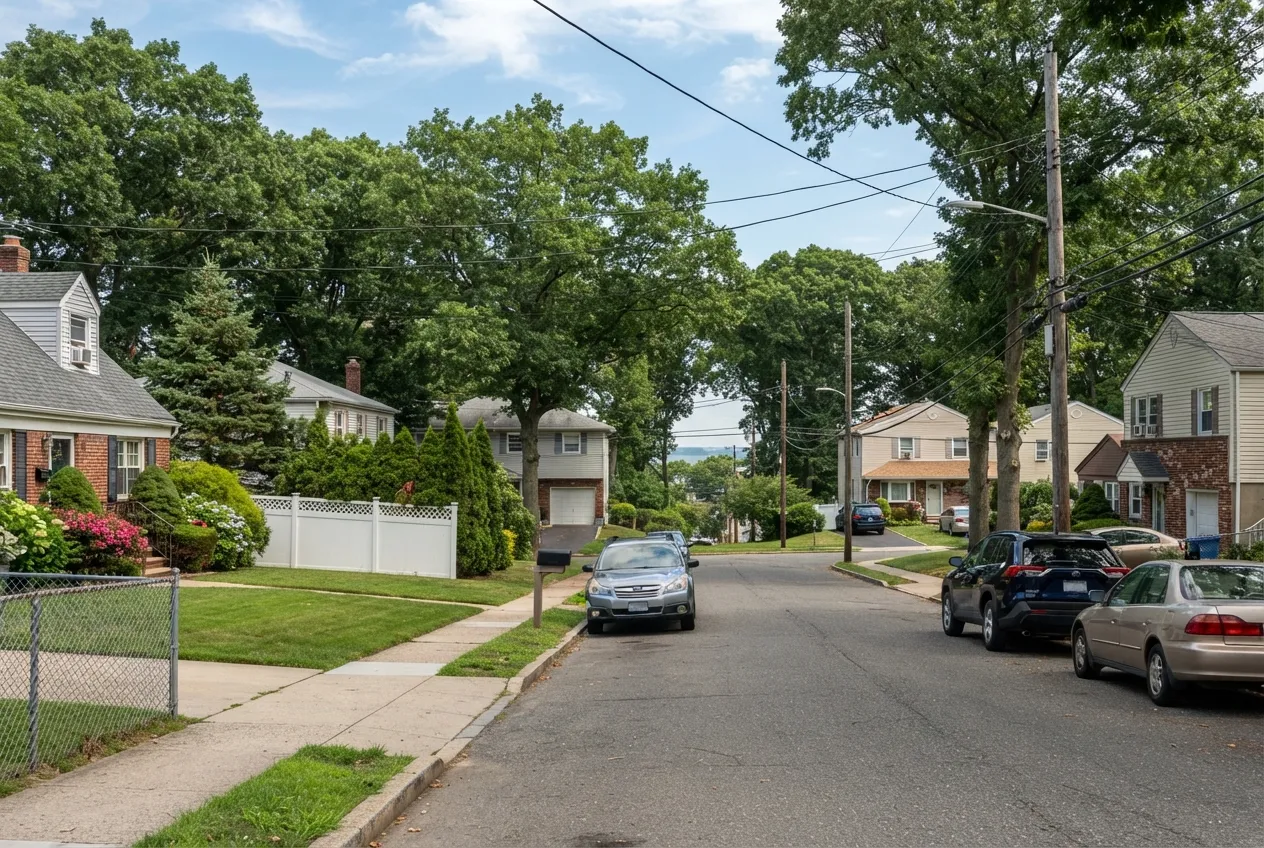
Most homes in Huguenot are detached or semi-attached houses, and many still send exhaust from a gas boiler, furnace or water heater up a masonry chimney. Some also have a wood-burning fireplace. The liner inside that chimney carries exhaust up and out of the house. It also keeps heat, moisture and acidic byproducts away from the brick and mortar. When a liner is cracked, missing or the wrong size for the appliance, the chimney can't do that job safely. CrestFlue Chimney Service installs chimney liners throughout Huguenot, in ZIP codes 10309 and 10312, about 2 miles southeast of our Staten Island office. We also serve nearby Annadale, Prince's Bay, Woodrow, Arden Heights and Rossville.
Signs Your Huguenot Chimney Needs a New Liner
The national fire safety standard NFPA 211 calls for chimneys, fireplaces and vents to be inspected once a year. That yearly inspection is usually where liner problems first come to light. Many older masonry chimneys were built with clay tile flues. Over the years those tiles can crack, shift or lose mortar at the joints. Some chimneys have no liner at all.
These are common reasons we recommend a new liner:
- Cracked, spalling or missing clay flue tiles found during an inspection
- Crumbling mortar or flaking tile pieces collecting at the base of the chimney
- Water stains, efflorescence or damp spots on walls next to the chimney
- A new or replacement boiler, furnace or water heater that needs a differently sized flue
- A switch from oil to gas heat
- Plans to start using a fireplace that hasn't been used in years
Oil-to-Gas Conversions and Appliance Changes
When a New York City home converts its boiler from oil to gas, the chimney has to be evaluated as part of that work. A new liner is often needed. Gas exhaust produces acidic condensate, and over time that moisture can corrode a masonry flue that was built for oil. Many Staten Island homeowners have made this switch, and the chimney is easy to overlook while the boiler gets most of the attention.
Any change to the system, such as a new appliance or a different fuel, calls for a Level 2 inspection under NFPA 211. A Level 2 inspection is also standard when a home is sold. If a hidden problem can only be reached by opening part of the chimney or wall, that is a Level 3 inspection. We'll tell you which level your situation calls for before we start.
Choosing the Right Liner for Your Home
No single liner suits every chimney. The right choice depends on what is venting through the flue, the size and shape of the chimney, and the condition of the masonry.
Size matters as much as material. If a liner is too large, exhaust cools and condenses before it leaves the chimney. If a liner is too small, it can't move exhaust out fast enough. We match the liner to the appliance's venting requirements instead of guessing.
- Stainless steel liners: a common choice for gas and oil appliances and for many fireplaces. They can be sized closely to the appliance.
- Aluminum liners: suitable only for certain gas appliances, as the manufacturer specifies.
- Cast-in-place liners: a poured lining that can also strengthen a deteriorated masonry flue.
- Clay tile replacement: sometimes practical when a chimney is being partly rebuilt.
How Liner Installation Works
Most liner jobs on Huguenot houses are done from the roof and the appliance connection. Unless the inspection shows otherwise, we don't need to open interior walls. Here is what to expect:
- Inspection of the chimney and flue, using a camera when the inside can't be seen directly
- A clear explanation of what we found and which liner we recommend, and why
- Cleaning the flue and removing loose or broken tile where needed
- Installing the liner, insulating it where called for, and connecting it at the appliance
- Fitting a proper chimney cap to keep out rain, debris and animals
- A final check that the appliance drafts correctly through the new liner
Plan Ahead of the Heating Season
Liner work is easiest to schedule before cold weather, when your boiler or furnace can be shut off for a while without discomfort. New York City's heat season runs from October 1 through May 31. During those months, building owners must keep apartments heated to the city's minimum temperatures. If you rent out a unit in a two-family house, finishing liner work before October helps you avoid an interruption during that period.
If your heating contractor is planning a boiler replacement or conversion, bring us in early. That way the chimney is evaluated and ready when the new equipment goes in.
More services in Huguenot
- Chimney Sweep in HuguenotLocal service & repairs
- Chimney Inspection in HuguenotLocal service & repairs
- Chimney Repair in HuguenotLocal service & repairs
- Air Duct Cleaning in HuguenotLocal service & repairs