
The short answer
Air duct cleaning is worth doing in a Charleston home when there is substantial visible mold, signs of rodents or insects, or heavy dust and debris coming from the vents. Our certified technicians inspect first, then clean the supply and return lines, registers and accessible system parts if the inspection shows a real need.
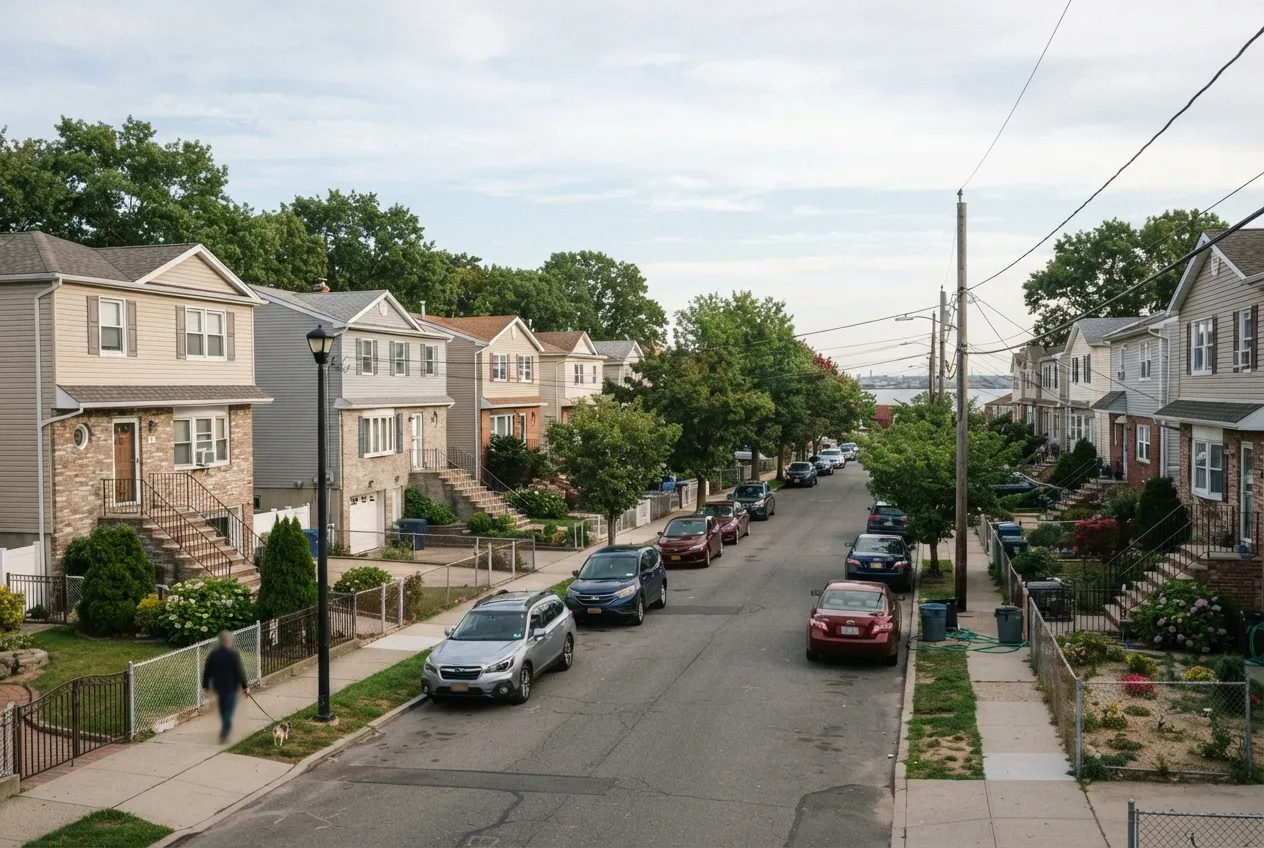
Charleston sits on Staten Island's South Shore, about two miles south of our office, and many of its homes rely on forced-air heating and central air. That means the ductwork moves every bit of air you heat or cool. CrestFlue Chimney Service cleans air ducts for homeowners in Charleston (10307) and nearby neighborhoods. Before we schedule anything, we help you decide whether your ducts need cleaning at all. Duct cleaning solves specific problems. It is not a routine fix for every home.
When Charleston Homeowners Should Consider Duct Cleaning
The U.S. Environmental Protection Agency advises cleaning air ducts in three situations. The EPA also notes that duct cleaning has not been shown to prevent health problems, so we don't sell it as a cure for allergies or illness. We recommend it when we can see one of these conditions:
- Substantial mold growth you can see inside hard ducts or on other parts of the heating and cooling system
- Signs of vermin, such as droppings, nesting material or chewed insulation, which are more common near basements, crawlspaces and garages
- Excessive dust and debris, especially dust that blows out of registers when the system starts
- Leftover construction dust after a renovation, a new addition or drywall work
What We Look at in Charleston Houses
Most homes in Charleston are detached or semi-attached single-family houses and townhouses. Many are newer construction compared with the older North Shore neighborhoods. A lot of them have the air handler or furnace in a basement, garage or attic. Return ducts often run close to garages and crawlspaces, so they can pull in dust and fumes when seams have come loose.
During the inspection we remove a few registers and look inside the supply and return runs with a light or camera. We also check the blower compartment and coil area where we can reach them, and the filter rack. Then we show you what we found. If the ducts are in reasonable shape, we'll say so. Changing filters on schedule and sealing gaps may do more good than a full cleaning.
How the Cleaning Is Done
A proper cleaning covers the whole system. Cleaning only the parts near the registers isn't enough. We connect a high-powered vacuum to put the ductwork under negative pressure. Then we use brushes and air tools to loosen debris so the vacuum can pull it out instead of pushing it into your living space. We clean registers and grilles, and we cover open registers while we work.
The EPA warns homeowners to be careful with chemical treatments such as sanitizers and coatings sprayed inside ducts. We don't apply them as a standard add-on. If one is ever discussed, we'll explain exactly what it is and why it is being considered, so you can decide for yourself.
The EPA also tells consumers to research the process before responding to very cheap advertised duct cleaning offers. Ask any company, including us, how they clean the returns and the air handler, not just the vents you can see.
Timing Around the Heating Season
New York City's heat season runs from October 1 through May 31. For most Charleston homeowners, late summer or early fall is a practical window. The system has done its cooling work, and you can deal with dust, debris or a rodent problem before the furnace runs daily. Spring works too, after the heating season ends and before central air starts.
Dryer Vents and Chimneys While We're There
Ductwork isn't the only airway in your home that collects buildup. The U.S. Fire Administration reports that failure to clean is the leading factor contributing to clothes dryer fires in homes. If your laundry is in a basement or garage with a long vent run, we can check and clean the dryer vent on the same visit.
Because we are also a chimney company, we can inspect a fireplace or heating flue too. The NFPA 211 standard calls for chimneys, fireplaces and vents to be inspected once a year.
Serving Charleston and Nearby South Shore Neighborhoods
We work throughout ZIP code 10307 and the surrounding South Shore. That includes Tottenville, Annadale, Huguenot, Prince's Bay and Woodrow. Because our office is only a short drive away, scheduling an inspection in Charleston is straightforward.
More services in Charleston
- Chimney Sweep in CharlestonLocal service & repairs
- Chimney Inspection in CharlestonLocal service & repairs
- Chimney Repair in CharlestonLocal service & repairs
- Chimney Liner Installation in CharlestonLocal service & repairs