
The short answer
Chimneys, fireplaces and vents in Charleston homes should be inspected once a year, as the NFPA 211 standard calls for. Most homes need a basic Level 1 inspection. A Level 2 inspection is needed after a change such as a new appliance, an oil-to-gas switch, or a home sale.
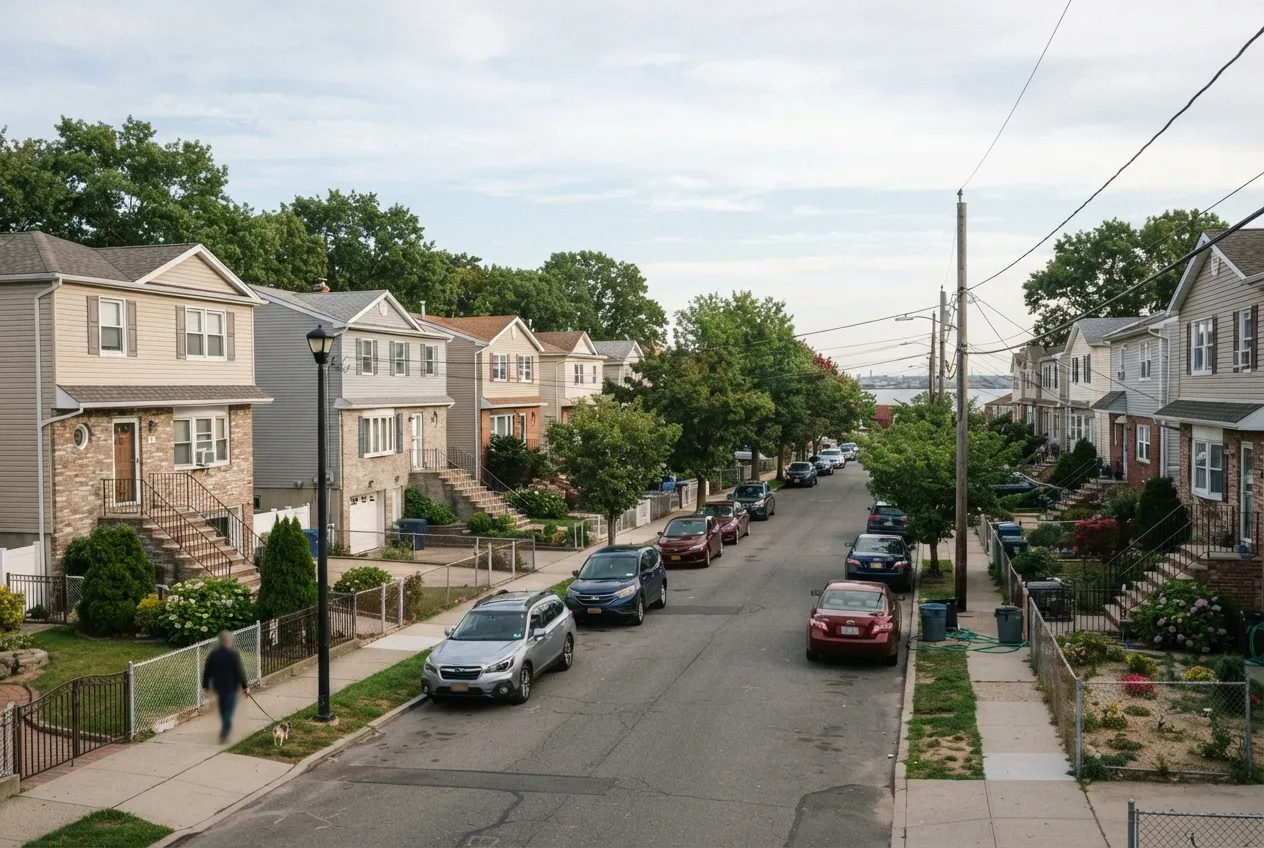
Charleston sits on Staten Island's South Shore in the 10307 ZIP code, about 2 miles south of our office. Many homes here are detached single-family houses or attached townhouses, and many have a chimney or flue doing real work: venting a wood-burning fireplace, a gas insert, a boiler, a furnace or a water heater. A chimney inspection tells you whether that system is clear, sound and safe to use. CrestFlue's certified technicians inspect chimneys and vents throughout Charleston, explain what they found in plain terms, and recommend only the repairs the chimney actually needs.
Why Charleston Homes Need a Yearly Chimney Inspection
The NFPA 211 standard calls for chimneys, fireplaces and vents to be inspected once a year. That applies whether you light a fire every winter weekend or never touch the fireplace. If your boiler or water heater vents through the chimney, that flue runs whenever the appliance does, and it can develop problems you won't notice from inside the house.
Charleston homes range from older detached houses to newer townhouse-style construction. Older masonry chimneys can have worn mortar joints, cracked crowns or clay liners that have shifted. Newer homes often use factory-built fireplaces and metal flues, which have their own weak points at joints, caps and roof penetrations. Exposure to wind and wet weather on the South Shore puts steady wear on chimney tops, flashing and caps, so the exterior gets as much attention as the flue.
Which Inspection Level Your Home Needs
Chimney professionals use three inspection levels. We'll tell you which one fits your situation before we start.
- Level 1: For chimneys where nothing has changed since the last inspection. We check the readily accessible parts of the chimney, flue and appliance connection.
- Level 2: Needed when the system changes, such as a new furnace, boiler or insert, or a switch from oil to gas. It also applies when a home is sold. It includes a closer look at the flue, often with a camera, plus accessible attic and crawl spaces.
- Level 3: Used only when a hidden hazard has to be reached by opening part of the chimney or the building. We recommend it only when a Level 2 inspection points to a concealed problem.
What Our Technicians Check
A thorough inspection looks at the whole venting path, from the appliance or firebox up to the cap. You get a clear explanation of what we saw, with photos when they help.
- Creosote and soot buildup inside the flue
- Cracks, gaps or missing sections in the liner
- Blockages from nests, leaves or fallen debris
- Firebox, damper and smoke chamber condition
- Appliance connector pipes and their fit at the chimney
- Crown, cap, mortar joints and flashing at the roof
- Signs of water entry, such as staining or rust
Converting From Oil to Gas in Charleston
Some Charleston homeowners are moving their boilers or furnaces from oil to gas. When a New York City building converts its boiler from oil to gas, the chimney has to be evaluated as part of the work. A new liner is often needed, because gas exhaust produces acidic condensate that can corrode a masonry flue over time.
Since a fuel switch counts as a system change, this calls for a Level 2 inspection. We check whether the existing flue is properly sized and in good enough condition for the new appliance. If a liner is needed, we explain why and what the options are.
Timing Your Inspection Around Heating Season
The best time to book is late summer or early fall, before you start relying on heat. New York City's heat season runs from October 1 through May 31. During that time, building owners must keep apartments heated to the city's minimum temperatures. If you rent out a unit in your house, a chimney problem found in midwinter can become urgent quickly. An inspection before October gives you time to handle any repairs without pressure.
Serving Charleston and Nearby South Shore Neighborhoods
Charleston is close to our office, so scheduling an inspection here is straightforward. We also inspect chimneys in nearby Tottenville, Annadale, Huguenot, Prince's Bay and Woodrow. If you're buying or selling a home in any of these neighborhoods, ask about a Level 2 inspection as part of the transaction.
More services in Charleston
- Chimney Sweep in CharlestonLocal service & repairs
- Chimney Repair in CharlestonLocal service & repairs
- Air Duct Cleaning in CharlestonLocal service & repairs
- Chimney Liner Installation in CharlestonLocal service & repairs