
The short answer
A chimney sweep in Charleston clears creosote, soot and blockages from your flue and checks the damper, cap, crown and firebox. The NFPA 211 standard calls for a yearly inspection, so booking a sweep and inspection together each year, ideally before October, keeps your fireplace or heating system venting safely.
Charleston sits on Staten Island's South Shore in ZIP code 10307, about two miles from our office. That short drive means our certified technicians can reach most homes here quickly. You might have a wood-burning fireplace you use every winter weekend, or a gas-fired boiler venting through an older masonry chimney. Either way, a chimney sweep removes creosote, soot and debris from the flue and confirms the draft is clear. It also gives you an honest look at the chimney's condition before the next heating season.
What a chimney sweep covers in a Charleston home
A sweep is more than running a brush up the flue. We cover the floor and furniture around the fireplace and use brushes and vacuum equipment sized to your flue. We clean the firebox, smoke shelf, damper area and flue liner. When the work is done, we walk you through what we found.
Creosote is the main target. It builds up when wood smoke cools inside the flue. It can range from a light, sooty coating to a hard, glazed layer that is difficult to remove and burns easily. Gas appliances produce little creosote, but their vents can still collect debris, nests or loose masonry that block exhaust.
- Creosote and soot removal from the flue and smoke chamber
- Damper check to confirm it opens smoothly and closes tightly
- A look at the chimney cap and crown for gaps, rust or cracks where water and animals get in
- Firebox inspection for cracked bricks or open mortar joints
- A clear explanation of anything that needs attention, with photos when possible
Charleston homes and their chimneys
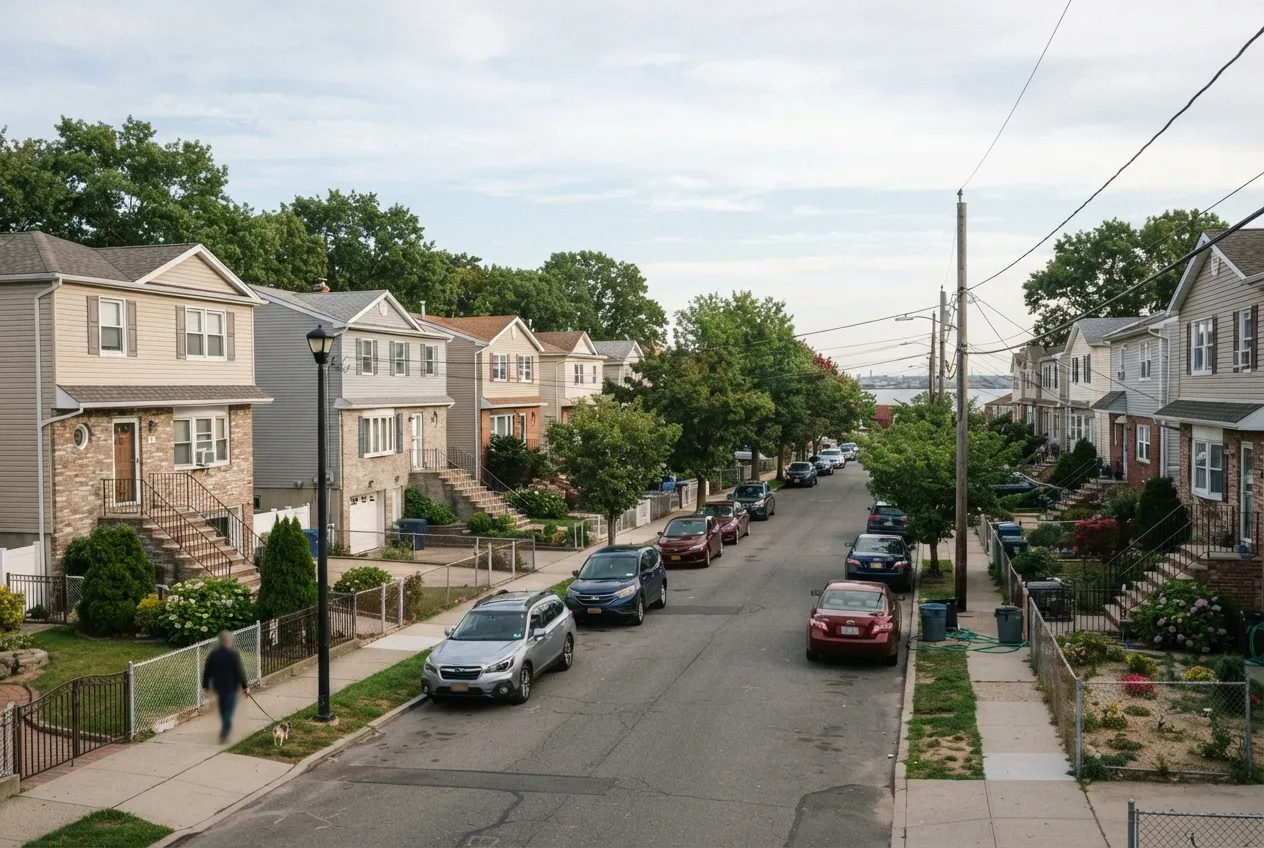
Charleston has a mix of housing. You'll find detached single-family homes, attached and semi-attached townhouses, and some older houses that predate the newer construction. Each type tends to have its own chimney setup.
Many newer homes use factory-built fireplaces with metal flues. These need sweeping too, and the metal liner should be checked for warping, rust or separated sections. Older homes are more likely to have masonry chimneys. On those, the mortar joints, crown and flue tiles take the most wear from weather and heat. In attached homes, the chimney may sit close to a neighbor's roofline, so we pay attention to flashing and to clearance around the top of the stack.
Pairing your sweep with a yearly inspection
The NFPA 211 standard calls for chimneys, fireplaces and vents to be inspected once a year. Scheduling that inspection with your sweep is the simplest way to stay on track. Chimney professionals use three inspection levels:
If nothing has changed in your home, a Level 1 inspection with the sweep is usually all you need. If you are buying or selling a home, or you've added a new stove or insert, a Level 2 is the right step.
- Level 1: when nothing about the system has changed
- Level 2: when the system changes, such as a new appliance or a switch of fuel, or when the home is sold
- Level 3: when a hidden hazard has to be reached by opening part of the chimney or building
Switching your boiler from oil to gas
When a New York City building converts its boiler from oil to gas, the chimney has to be evaluated as part of the work. A new liner is often needed, because gas exhaust produces acidic condensate that can corrode a masonry flue. We can sweep the old flue, which often holds heavy oil soot. We can also tell you whether the existing liner is in shape to serve the new appliance or should be replaced.
Timing your sweep before heat season
Late spring and summer are the easiest times to schedule, and any repairs we find can be handled before cold weather. If you rent out an apartment in your home, keep in mind that New York City's heat season runs from October 1 through May 31. During that period, building owners must keep apartments heated to the city's minimum temperatures. A blocked flue that shuts down a boiler in January is a problem you don't want, so having the chimney swept before October makes sense.
Serving Charleston and nearby South Shore neighborhoods
Along with Charleston, we sweep chimneys in Tottenville, Annadale, Huguenot, Prince's Bay and Woodrow. The housing is similar across these neighborhoods, so the same care applies. We match the cleaning method to your flue type and explain what we see in plain terms.
More services in Charleston
- Chimney Inspection in CharlestonLocal service & repairs
- Chimney Repair in CharlestonLocal service & repairs
- Air Duct Cleaning in CharlestonLocal service & repairs
- Chimney Liner Installation in CharlestonLocal service & repairs