The short answer
Chimney repair in Charleston usually means fixing water damage to crowns, mortar, brick and flashing, or replacing a damaged or unsuitable flue liner. CrestFlue inspects the chimney first, explains what we found, and repairs only what the inspection shows is needed.
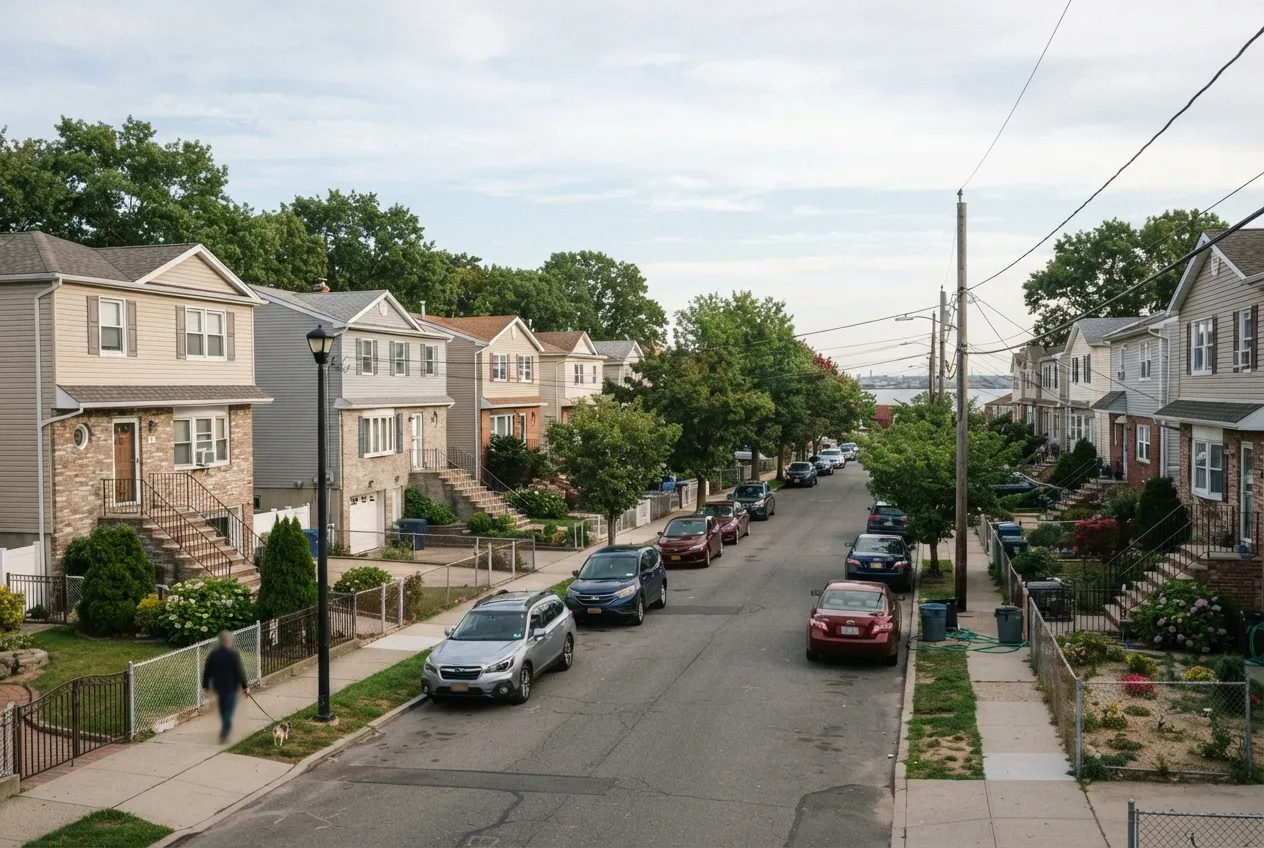
In Charleston, most chimneys serve detached homes and townhouses, and many work hard every winter venting a furnace, a boiler or a wood-burning fireplace. When the masonry cracks, the crown breaks down or the flue liner fails, smoke and exhaust can end up where they shouldn't. CrestFlue's certified technicians repair chimneys throughout Charleston and the 10307 ZIP code, about 2 miles south of our Staten Island office. We start by finding out exactly what's wrong. Then we explain it in plain terms and fix what needs fixing, without adding work you don't need.
Chimney Problems We Repair in Charleston Homes
Staten Island's South Shore gets its share of wind-driven rain, snow and freeze-thaw cycles. Water is the main enemy of a chimney. It soaks into brick and mortar, freezes, expands and slowly pushes the masonry apart. By the time you notice a stain on a ceiling or flakes of brick on the roof, the damage has usually been building for a while.
Some of these problems are small fixes. Others, such as a failing liner, affect whether the chimney can safely carry exhaust at all. We'll tell you which is which and what we recommend doing first.
- Cracked or crumbling chimney crowns that let water into the chimney
- Loose, eroded or missing mortar joints that need repointing
- Spalling brick that flakes or pops off the face of the chimney
- Damaged or missing chimney caps that let in rain, animals and debris
- Leaking flashing where the chimney meets the roof
- Cracked, gapped or deteriorated flue liners
- Worn firebox mortar and damaged smoke chambers in fireplaces
Every Repair Starts With an Inspection
The NFPA 211 standard calls for chimneys, fireplaces and vents to be inspected once a year, and a proper repair begins the same way. Chimney professionals use three inspection levels. A Level 1 inspection fits when nothing about your system has changed. A Level 2 is called for when the system changes, such as a new appliance or a switch of fuel, or when the home is being sold. A Level 3 is needed only when a hidden hazard has to be reached by opening part of the chimney or the building.
We look at the cap, crown, flashing, exterior masonry and the flue itself. Then we walk you through what we found, what's urgent, and what can be planned for later.
Oil-to-Gas Conversions and Flue Liners
If your home is switching from an oil boiler or furnace to gas, the chimney is part of the job. In New York City, the chimney has to be evaluated when a boiler is converted from oil to gas. A new liner is often needed because gas exhaust produces acidic condensate that can corrode a masonry flue from the inside.
Because a fuel switch changes the system, it also calls for a Level 2 inspection. We can evaluate your chimney during the conversion and install a liner suited to the new appliance, so exhaust leaves the house the way it should.
Timing Your Repair Around the Heating Season
Chimney problems often surface at the worst moment, when the heat comes on during the first cold snap. New York City's heat season runs from October 1 through May 31. If you own a two-family home or rent out a unit, you must keep your tenants' apartments heated to the city's minimum temperatures during that window. A chimney that can't safely vent the boiler quickly becomes an urgent problem.
Late spring and summer are good times for crown, masonry and flashing work, because mortar cures well in mild weather and the system isn't needed for heat. Don't wait for the off-season if you see active leaks or falling brick, or notice smoke or fumes indoors. Stop using the appliance and contact us.
What to Expect From a Repair Visit
Our technicians protect the area around your fireplace or appliance, work carefully on the roof, and clean up when the job is done. Before any work starts, we explain the scope of the repair. When the work is finished, we show you what was done.
Besides Charleston, we handle chimney repair in the nearby neighborhoods of Tottenville, Annadale, Huguenot, Prince's Bay and Woodrow.
More services in Charleston
- Chimney Sweep in CharlestonLocal service & repairs
- Chimney Inspection in CharlestonLocal service & repairs
- Air Duct Cleaning in CharlestonLocal service & repairs
- Chimney Liner Installation in CharlestonLocal service & repairs