
The short answer
Charleston homes usually need a new chimney liner after an oil-to-gas boiler conversion, after an inspection finds a cracked or deteriorated flue, or when a new heating appliance is installed. CrestFlue's certified technicians inspect the chimney, size a liner to the appliance, install it, and verify the finished system.
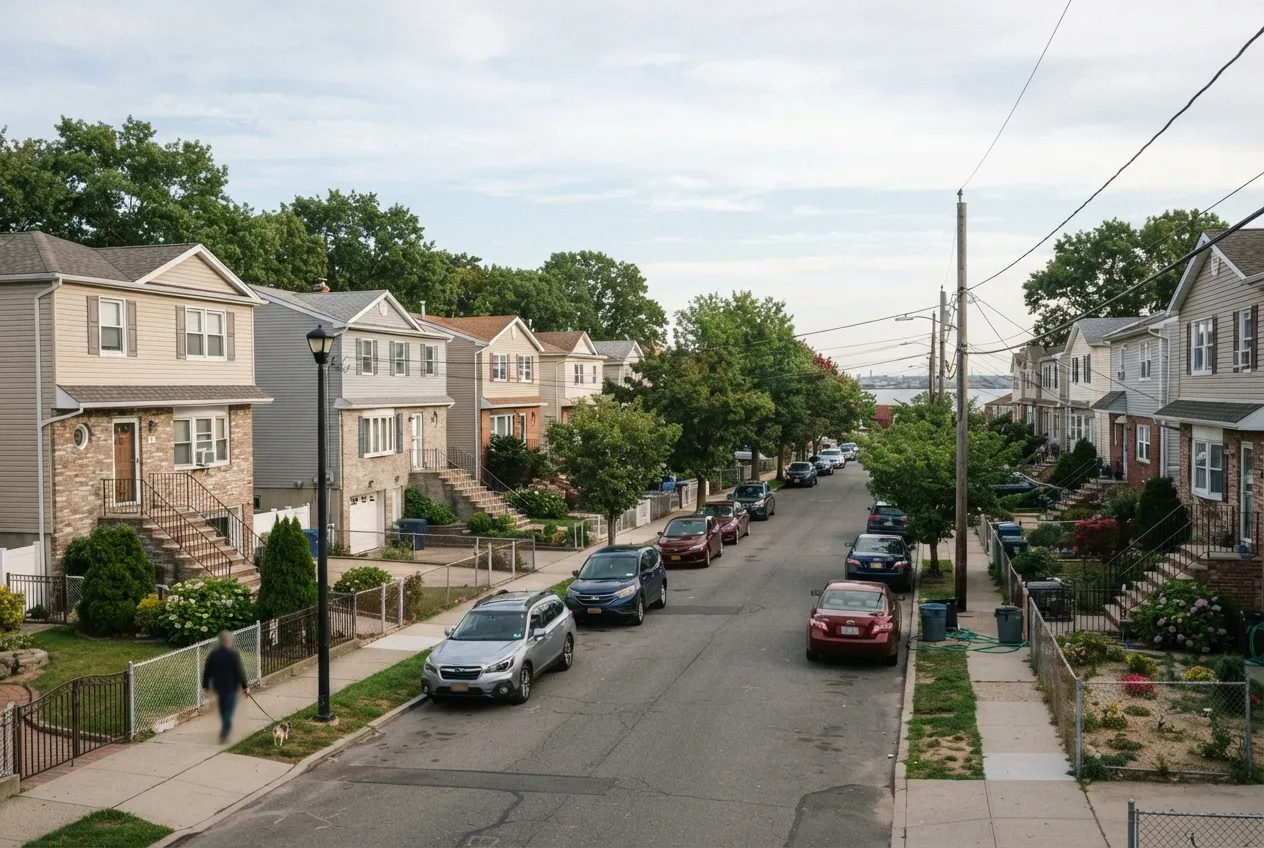
A chimney liner is the protective channel inside your chimney. It carries smoke and exhaust gases up and out, and it keeps heat and corrosive byproducts away from the surrounding masonry and framing. In Charleston (ZIP 10307), many homes are detached or semi-attached houses heated by a boiler or furnace that vents through a masonry chimney, and some also have a wood-burning fireplace. When a liner is cracked, missing, or the wrong size for the appliance it serves, CrestFlue Chimney Service installs a replacement. Our office is about two miles north, so Charleston is part of our regular service area.
Why Charleston homes end up needing a new liner
Most liner work in this part of the South Shore starts with one of three situations. A homeowner switches heating fuel, replaces a boiler or furnace, or has an inspection that turns up damage inside the flue. Older clay tile liners can crack from a chimney fire, from years of freeze-thaw cycles, or from water getting in at the top of the chimney. Some homes have no real liner at all, only bare brick.
Signs that point to a liner problem include:
- Pieces of tile or flaking masonry collecting at the base of the chimney or in the cleanout
- Water stains, white mineral deposits, or damp spots on chimney walls inside the house
- A heating technician noting poor draft or exhaust spilling back at the appliance
- A recent switch from oil to gas, or plans for one
- A new boiler, furnace, water heater, or wood stove connected to an existing flue
Oil-to-gas conversions and liners
Converting a boiler from oil to gas is one of the most common reasons we install liners on Staten Island. In New York City, the chimney has to be evaluated as part of that conversion. A new liner is often needed because gas exhaust produces acidic condensate, and that moisture can corrode a masonry flue that held up fine for decades under oil.
Sizing matters as much as the material. A modern gas appliance usually produces less exhaust than the old oil burner did. In an oversized flue, the exhaust can cool before it reaches the top, which means more condensation and weaker draft. We match the liner diameter to the appliance it will serve so the system drafts properly and drains condensate the way it should.
How we install a chimney liner
Every job starts with an inspection. We look at the existing flue, the crown and cap, the connection to the appliance, and the condition of the masonry. That tells us whether a liner can go in as-is or whether repairs need to come first.
For most heating appliances we install a stainless steel liner suited to the fuel. Where a fireplace or wood stove is involved, we also consider insulation around the liner to help it stay warm and draft well. A typical installation follows these steps:
- Cleaning the existing flue so the new liner runs through a clear path
- Running the liner from the top of the chimney down to the appliance connection
- Connecting it at the bottom with the proper fittings and a way to access and drain condensate where needed
- Sealing the top with a cap and top plate to keep out rain, debris, and animals
- Checking draft and the connections once the appliance is running
Inspections before and after the work
The NFPA 211 standard calls for chimneys, fireplaces, and vents to be inspected once a year. It also describes three inspection levels. A Level 2 inspection applies when the system changes, such as a new appliance or a switch of fuel, and when a home is sold. Most liner projects in Charleston fall into that category. If a hidden problem can only be reached by opening part of the chimney or wall, that is a Level 3 inspection, and we will explain why before any opening is made.
After installation, a yearly inspection keeps the new liner in good shape and catches issues early.
Timing the work around heating season
New York City's heat season runs from October 1 through May 31. If you own a multi-family house or rent out a unit, you are responsible for keeping apartments heated to the city's minimum temperatures during those months. Scheduling liner work in late spring or summer keeps the boiler available when tenants need it. That timing also leaves room for any masonry repairs the inspection turns up.
We also serve nearby Tottenville, Annadale, Huguenot, Prince's Bay, and Woodrow, so neighbors facing the same conversion or repair can book with us too.
More services in Charleston
- Chimney Sweep in CharlestonLocal service & repairs
- Chimney Inspection in CharlestonLocal service & repairs
- Chimney Repair in CharlestonLocal service & repairs
- Air Duct Cleaning in CharlestonLocal service & repairs