
The short answer
CrestFlue cleans and inspects chimneys, dryer vents and air ducts throughout Staten Island, from Tottenville and Annadale to Todt Hill and Willowbrook. The NFPA 211 standard calls for a chimney inspection once a year, and converting a boiler from oil to gas requires a chimney evaluation.
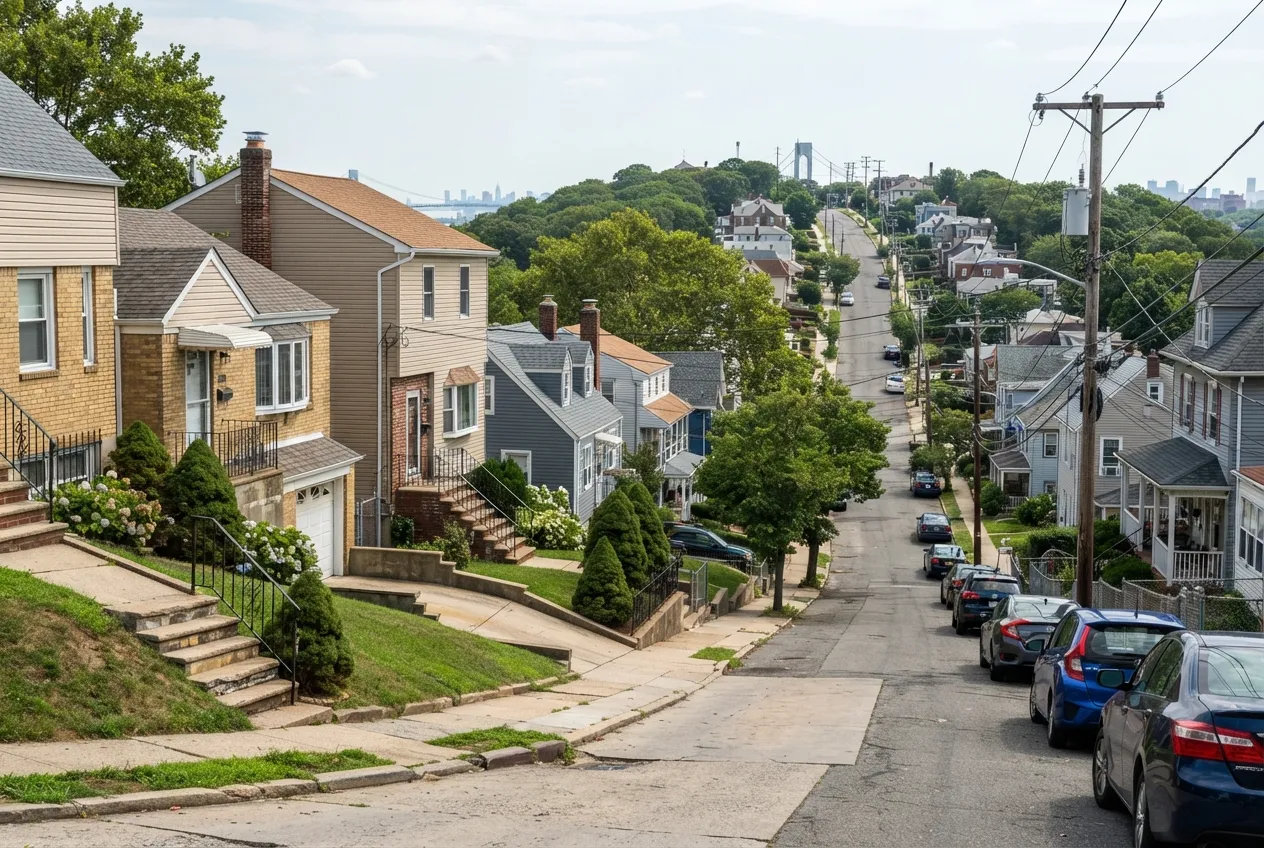
CrestFlue Chimney Service cleans and inspects chimneys, dryer vents and air ducts for homeowners throughout Staten Island. Your home might be a detached house in Tottenville, a semi-attached home in Great Kills, or an older property near Todt Hill. In each case, our certified technicians look at how your system is actually built and used before recommending any work. Below is what we do, where we work, and how to know when it's time to call.
Chimney Inspection and Cleaning
The NFPA 211 standard calls for chimneys, fireplaces and vents to be inspected once a year. Most of the time that means a Level 1 inspection, which checks the accessible parts of the chimney when nothing about the system has changed. A Level 2 inspection is the right step if you've added a new appliance, switched fuels, or are buying or selling a home. A Level 3 inspection is reserved for cases where a suspected hazard is hidden and part of the chimney or building has to be opened to reach it.
Cleaning removes soot and creosote from wood-burning fireplaces. It also clears debris, nests and buildup from flues serving furnaces and boilers. Afterward, we tell you what we found in plain terms and show you photos where we can.
Oil-to-Gas Conversions and Chimney Liners
Many Staten Island homes were built with oil heat. When a New York City building converts its boiler from oil to gas, the chimney has to be evaluated as part of the work. A new liner is often needed because gas exhaust produces acidic condensate that can corrode a masonry flue. If you're planning a conversion, bring us in early so the chimney assessment doesn't hold up the rest of the project.
Dryer Vent Cleaning
According to the U.S. Fire Administration, failure to clean is the leading factor contributing to clothes dryer fires in homes. Long vent runs, crushed transition hoses and lint-packed exterior hoods are common, especially where the laundry area sits far from an outside wall. Signs your vent needs attention:
- Clothes need more than one cycle to dry
- The dryer or laundry room gets unusually hot
- You notice a burning smell while the dryer runs
- Little or no air comes out of the outside vent flap
Air Duct Cleaning, Explained Honestly
We follow the U.S. EPA's guidance. It recommends cleaning air ducts when there is substantial visible mold growth, evidence of vermin, or excessive dust and debris. The EPA also notes that duct cleaning has not been shown to prevent health problems, so we won't claim it will. It cautions homeowners to research the process before responding to very cheap advertised offers and to be careful with chemical treatments. We inspect first and explain what we see before suggesting any work.
Staten Island Neighborhoods We Serve
We work in communities across the borough, including Arden Heights, Rossville, Tottenville, Charleston, Annadale, Huguenot, Prince's Bay, Woodrow, Great Kills, Eltingville, New Springville, Willowbrook, Bulls Head, Travis, Oakwood, Richmondtown, Todt Hill, Emerson Hill, Lighthouse Hill and Manor Heights.
New York City's heat season runs from October 1 through May 31. Booking chimney and flue work in late summer or early fall helps make sure your heating equipment is venting properly before you rely on it every day.
Communities we serve here
- Arden HeightsLocal service & repairs
- RossvilleLocal service & repairs
- TottenvilleLocal service & repairs
- CharlestonLocal service & repairs
- AnnadaleLocal service & repairs
- HuguenotLocal service & repairs
- Prince’s BayLocal service & repairs
- WoodrowLocal service & repairs
- Great KillsLocal service & repairs
- EltingvilleLocal service & repairs
- New SpringvilleLocal service & repairs
- WillowbrookLocal service & repairs
- Bulls HeadLocal service & repairs
- TravisLocal service & repairs
- OakwoodLocal service & repairs
- RichmondtownLocal service & repairs
- Todt HillLocal service & repairs
- Emerson HillLocal service & repairs
- Lighthouse HillLocal service & repairs
- Manor HeightsLocal service & repairs